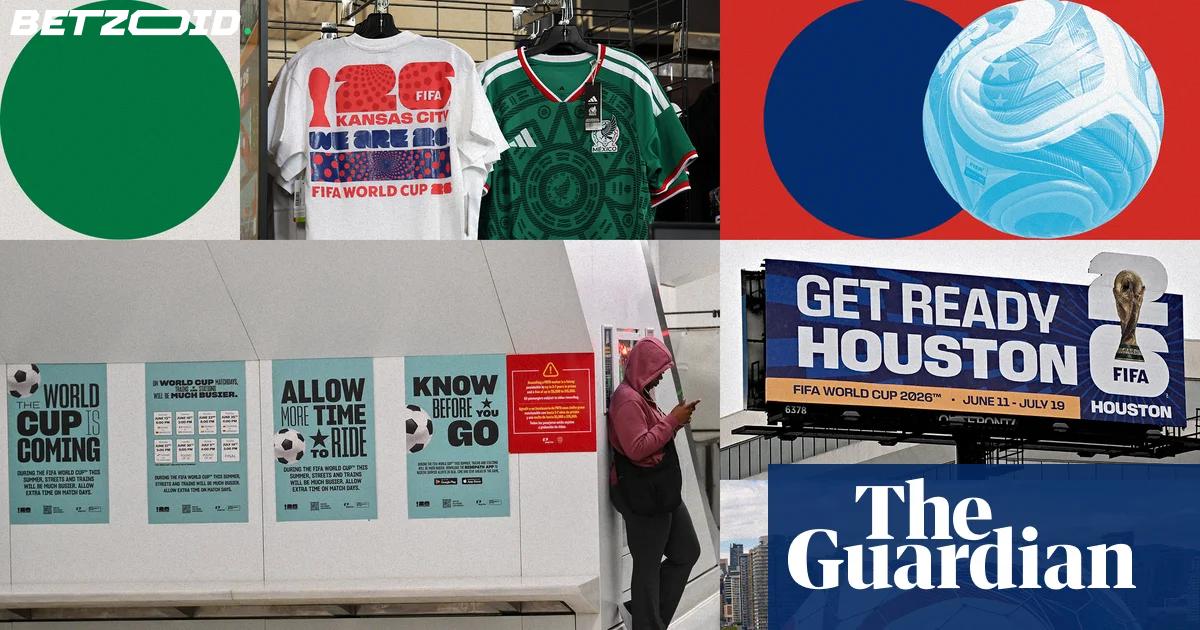
The 2026 World Cup arrives in North America this summer — 104 matches, 16 cities, three countries — and the prevailing mood among local fans ranges from cautious excitement to outright disgust. The common thread? Ticket prices that have made the world's biggest sporting event a spectator sport in the most literal sense.
"It would cost $2,000 for me to go to a group stage match with my wife and two kids," writes Kyle from Atlanta. "None of those games is worth that." He's far from alone. From Houston to Vancouver, from Mexico City to Philadelphia, fans who have waited years for the World Cup to land on their doorstep are watching it from their sofas instead.
A tournament for the few
In Houston, Ian Sherman is eyeing a resale ticket for England's game in Dallas — fully aware he'll overpay — because after 25 years in the city, it might be his only shot. "Nosebleed seats for Saudi Arabia v Cape Verde cost more than $200 each," he notes. "It's a joke." In San Francisco, Ali had planned to bring friends to fan zones that may not even materialise, and won't pay $250 to watch Austria v Jordan from the upper atmosphere. In Los Angeles, Walid went to the 2010 and 2014 World Cups for $100–200 a ticket. The idea of $600-plus for a group game in his own city borders on insulting.
The frustration isn't just financial. It's the gap between what this tournament could have been and what it's shaping up to be. David from Boston — who attended every game at Foxborough in 1994, including Maradona's Argentina against Nigeria — describes himself as "jaded." He'll watch on TV. The infrastructure situation around Boston's stadium in Foxborough, 30 miles outside the city and poorly served by rail, has only recently been resolved after months of wrangling between the town, the New England Patriots, the state and FIFA.
In Mexico City, Francisco Fontano Patán is blunt: "The World Cup has been a nuisance in daily life, a wasted opportunity in the long term, an abuse of the people who should enjoy the event." Mexico is hosting just 13 of 104 matches — a country that has already staged two World Cups — and the promised infrastructure investment near the Azteca never arrived. A planned subway connection to Coapa was quietly abandoned.
Politics and powder kegs
The political backdrop is impossible to ignore. In Guadalajara, Heather Chambers cites growing anti-US sentiment, visa concerns for fans from several qualifying nations, and a feeling that FIFA has been diplomatically supine in the face of the Trump administration. "This is not a World Cup that is bringing the world together," she writes. Mexico City's correspondent goes further: the US will be "the first host that is bombing one of the participating nations."
In Vancouver, Ian Holliday puts it plainly: "I hope no one gets shot." He points to the mass shooting that occurred during Kansas City's Super Bowl celebrations — directly across from where a World Cup fan festival will be held. Eric Wahl, writing from Kansas City, shares the same concern, alongside grief for his late brother who won't be there to see it.
There are pockets of genuine anticipation. Toronto's Peter Nazir Faiz describes a city built for this moment — every nationality represented, streets flooding with supporters when their country wins, a million Italians descending on Little Italy after 2006. Seattle's Roger Probert-Baker reports banners around the city, a family of volunteers, and a fanbase that actually understands the sport. These cities feel like exceptions.
The expanded 48-team format draws its own criticism. More teams means more matches that matter less. Atlanta's Kyle predicts half-empty stadiums through the group stage, echoing Qatar. Mexico City's Francisco notes that with so many fixtures, most games "don't really matter." The tournament starts to resemble a qualifying competition for its own knockout rounds.
What's left is a World Cup that will almost certainly come alive once the last 16 begins — it always does — but one that has already spent considerable goodwill getting there. The cities are ready. The fans are ready, or were. FIFA just made sure most of them couldn't afford to be there in person.