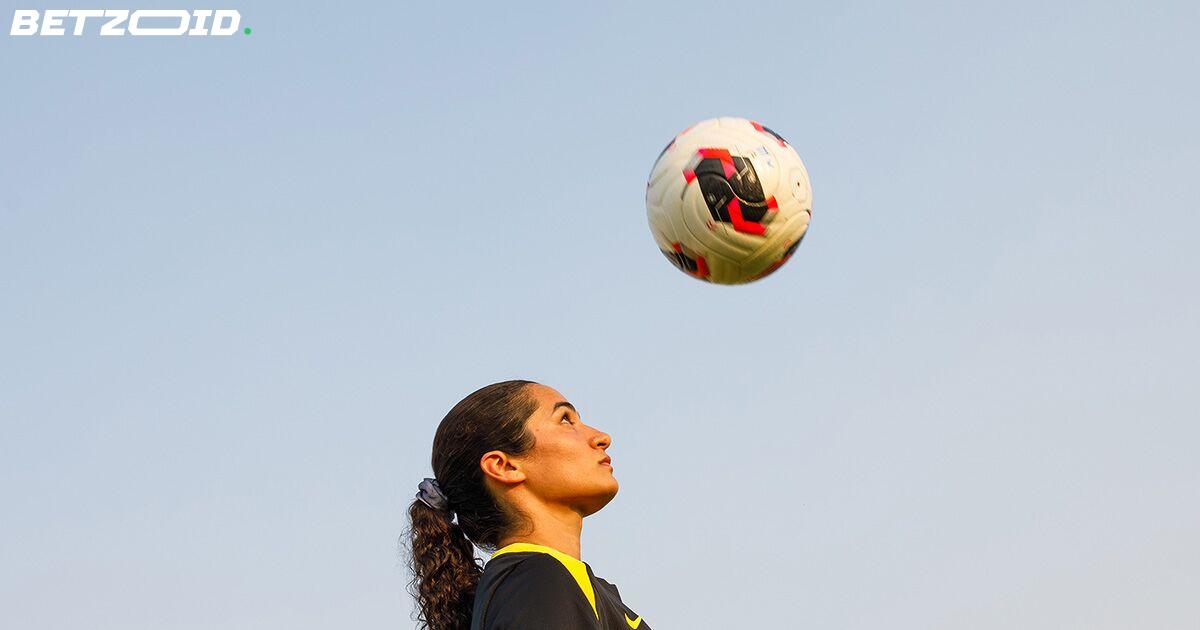
In 2018, Saudi women were finally allowed into football stadiums as spectators. By 2025, they're running onto the pitch in a professional league. That's not gradual progress — that's a structural overhaul compressed into less than a decade.
Bayan Sadagah is one of the women at the centre of it. A player who, not long ago, couldn't have legally sat in the stands at a Saudi match, is now part of a league that didn't exist when she was growing up. The symbolism is obvious. What's less obvious is whether the football itself can match the narrative.
State money and foreign talent are doing the heavy lifting
This isn't a grassroots story. Saudi Arabia's women's football push is state-backed and accelerated by imported talent — the same playbook used to shock the men's game into relevance. Foreign players are raising the technical ceiling while local talent develops underneath. It's a model with a track record, even if it courts criticism about authenticity.
The professional structure matters more than the optics, though. Women's leagues without proper contracts, wages, and competitive frameworks collapse. The Saudi setup appears to be investing in the infrastructure first, which is the only way this holds together long-term.
What it means beyond the headlines
The speed of this transformation has real implications for the region. Saudi Arabia hosting women's professional football — with state legitimacy behind it — shifts what's politically and culturally possible in neighbouring countries. That's a different kind of influence than any men's Champions League import can buy.
From a betting and commercial standpoint, women's football markets in the Gulf are essentially uncharted. As the league matures and viewership data builds, that'll change. Early movers in this space are positioning for something that barely existed five years ago.
The ban ended in 2018. The league exists now. Whatever comes next, the baseline has already moved further than most predicted.