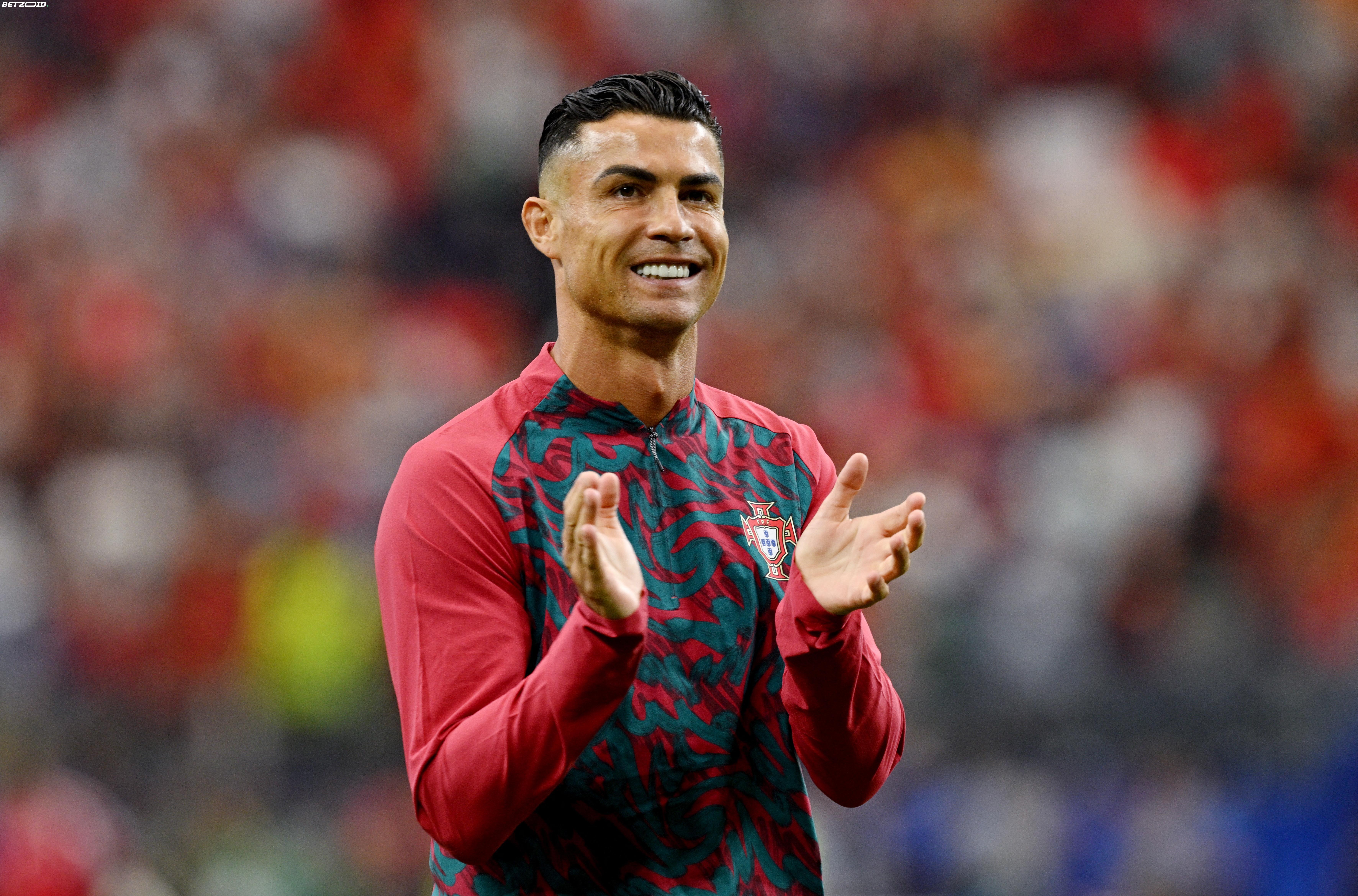
"There is no player in the world who is going to change my ideas as a coach. Not him, not anyone else in football, not even a president. Never." Jorge Jesus said that about Cristiano Ronaldo. And he meant it. That's what ended 23 years of international football.
Ronaldo confirmed his Portugal retirement on Thursday — 234 caps, 146 goals, a European Championship, two Nations League titles. The career is extraordinary by any measure. But the ending was messy, and it's worth understanding exactly how messy.
The Norway flashpoint that started it all
September 27. Portugal beat Norway 2-1 in the Nations League. Ronaldo watched from the bench, warmed up for 20-odd minutes late on, and never got on. He walked down the tunnel alone at the final whistle, in his training top, skipping the celebrations entirely.
What followed was a slow-motion implosion. Reports claimed Ronaldo had been led to believe Jesus would publicly apologize — in his pre-match press conference before the Denmark fixture — for the Norway decision. Jesus did the opposite. He gave a speech about being the man in charge and reminded everyone he has 23 players, not one. The implied target was obvious.
By September 30, Ronaldo was gone. He pulled out of training 30 minutes before the session started, apparently after Pedro Proença — head of the Portuguese football federation — failed to mediate between the two men. Ronaldo confirmed his exit on social media hours later, promising to "tell the truth" to the Portuguese people "in due time."
A fine, a suspension, and an apology with teeth
On October 6, he released a follow-up statement. It was an apology, technically. But he still called Jesus's behaviour an "absolute breach of trust" and explicitly acknowledged that his walkout, as team captain, warranted punishment without mitigating factors. That's a rare thing — an athlete asking to be held accountable.
The federation handed him a 30-day suspension and a $286 fine. He successfully reduced the punishment on appeal. Then, days before the ban was even lifted, he announced his retirement.
Jesus's position was unambiguous throughout: he had told Ronaldo he wouldn't start against Norway but might be needed late on. The game didn't require him. End of story, as far as the manager was concerned. What Jesus had not anticipated — or perhaps had, and simply accepted — was that Ronaldo would treat that as an unforgivable betrayal rather than a tactical call.
At 41, Ronaldo's Portugal career was already on its last legs before this blew up. His influence had been waning for a cycle. His output at international level had dipped well below his Al-Nassr numbers. The question was always going to be how the curtain came down — with dignity or without it. The answer turned out to be somewhere in the middle: a fine, a walkout, a brief apology, and a retirement post on social media.
"I never felt it belonged to me alone," Ronaldo wrote of the number seven shirt. "But, for 23 years, I had the privilege and the responsibility of wearing it." That much, at least, is not in dispute.