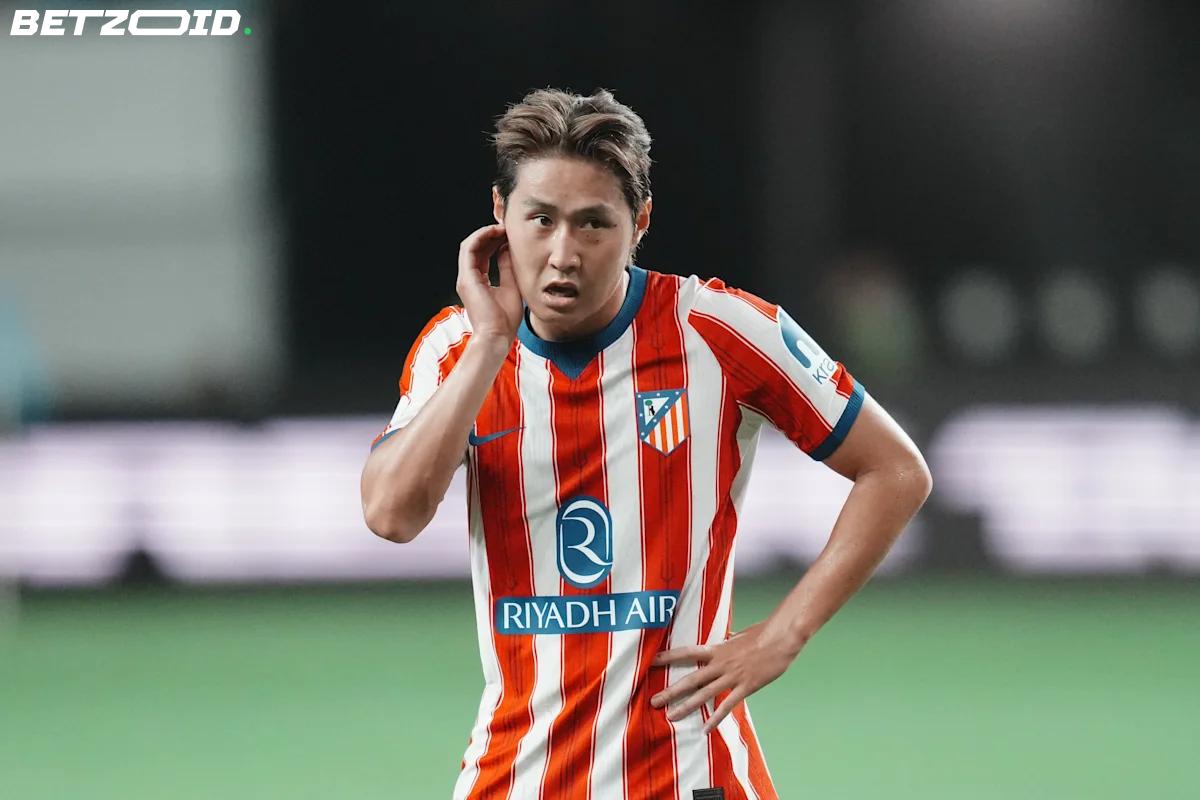
86.2% of professional players in South Korea say the summer heat is physically punishing them. Nearly 70 reported temporary loss of consciousness during matches. The K League's current schedule isn't just uncomfortable — it's a health crisis wearing a football kit.
The Korean Pro Footballers Association (KPFA) dropped an emergency survey this week covering 536 players across the men's and women's leagues, and the findings are hard to dismiss. Dizziness affected 64.7% of players during matches. Dehydration hit 56.6%. On Aug. 2, the city of Yangsan recorded 42.5 degrees Celsius — the highest official temperature in decades. The Korean baseball league shut down for a week because of it. Football kept going.
A Schedule Out of Step With Asia
The KPFA's ask is straightforward: move to a fall-spring calendar, aligning the K League with Japan's J. League, which just started its first season on the new schedule, and the AFC Champions League Elite, which made the switch back in 2023. Right now, South Korea runs the opposite direction — February to December — leaving players grinding through August when the rest of Asia and virtually all of Europe are either in pre-season or on break.
Association president Lee Keun-ho, a former South Korea international, put it plainly: "Players agree that enjoying a break during winter can better help them avoid injuries and maintain better physical form than having to play through multiple competitions under the scorching summer sun."
The counterargument has always been South Korea's winters — genuinely brutal, with subzero temperatures and heavy snowfall from December through February. Lee's answer is a structured winter pause, not a full season of cold-weather football. He also called for heated stadium facilities and hybrid pitches, which are the kind of infrastructure investments a serious professional league should be making regardless of the schedule debate.
What This Means Beyond the Calendar
Only 15.3% of surveyed players think current cooling-break policies are adequate. Think about that: fewer than 1 in 6 players feel the league is doing enough to protect them. The KPFA framed the call for change around "global competitiveness," but the more immediate issue is player welfare — and that framing matters for how the K League responds publicly.
From a broader league health perspective, any schedule shift would take years to implement. But the optics of inaction are worsening. Manchester City's friendly last week drew a below-capacity crowd partly due to the heat. If the league can't fill seats for a Premier League exhibition because it's too hot, that's a commercial problem on top of a welfare one.
Seventy players reported temporarily losing consciousness during matches this summer. That's the number the K League needs to answer to — not the fixture calendar.