"Everyone wanted them to be eliminated." That's Thomas Meunier, months after Belgium dismantled the United States 4-1 at the 2026 World Cup, and he's still not done talking about it.
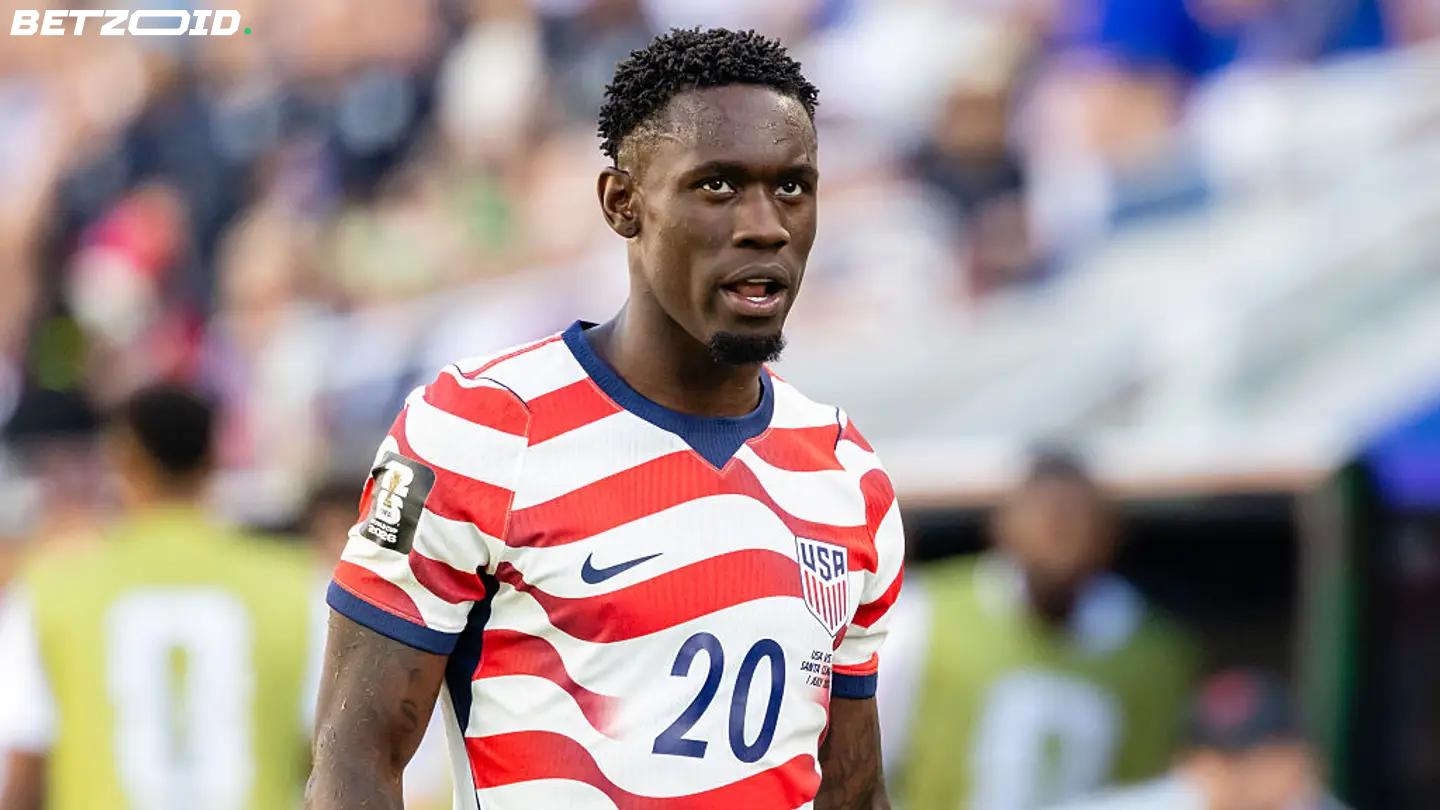
The Belgian fullback gave a blunt post-mortem to The Athletic on the Folarin Balogun red card saga — the controversy that arguably did more damage to U.S. football's reputation than any result on the pitch. Balogun was sent off in the Stars and Stripes' round of 32 win over Bosnia and Herzegovina, triggering an automatic suspension. Then FIFA, under pressure following confirmation that President Donald Trump personally asked the governing body to review the ban, made the unprecedented call to lift it — making Balogun available for the Belgium clash.
The backlash was instant and global. Pochettino's side went from sympathetic underdog host nation to a team widely seen as getting favors from the top. They folded under the weight of it. Belgium ran over them.
The political fallout that won't go away
Meunier was careful with his language — "I'm not going to say 'corrupted'" — but the implication was clear enough. "If the politics goes against sport, then it's dangerous," he said. "And that's what we had with Balogun."
He was also fair to the player himself. Balogun scored three goals in four appearances and was genuinely one of the breakout names of the tournament. None of that matters now, because his name is tied to Infantino and Trump before it's tied to anything he did with the ball.
FIFA president Gianni Infantino has been in an increasingly difficult position since the final whistle. Plans to sell shares of future World Cup commercial rights to private investors leaked shortly after Spain beat Argentina in the final — fierce enough backlash followed that Infantino abandoned them entirely. Federations across the sport are now calling for a change in leadership.
The Royal Belgian Football Association added its voice on Monday, withdrawing support for Infantino and formally demanding the Balogun incident be reviewed at the next FIFA Council meeting. "Two months after the events, our questions remain unanswered," RBFA president Pascale van Damme said.
A World Cup that lost the plot
Meunier's wider verdict on the 2026 tournament was damning: "This World Cup was the dark side of traditional football — led by capitalism, entertainment, money. Football was not the first priority."
That's not an unfair read. Extortionate ticket prices, hijacked transport costs, tariff threats from the White House to European nations, and the shadow of U.S. conflict with Iran were all competing for column inches before the Balogun controversy erupted. The tournament was, by FIFA's own metrics, the biggest and most profitable World Cup ever. Whether that's a success story or an indictment rather depends on what you think football is for.
From a betting standpoint, the episode is a useful reminder that tournament odds always carry political risk when host nations are involved at this level — and the 2026 edition made that risk visible in the most uncomfortable way possible.
"Two months after the events, our questions remain unanswered." Belgium isn't letting this drop. Neither is anyone else.