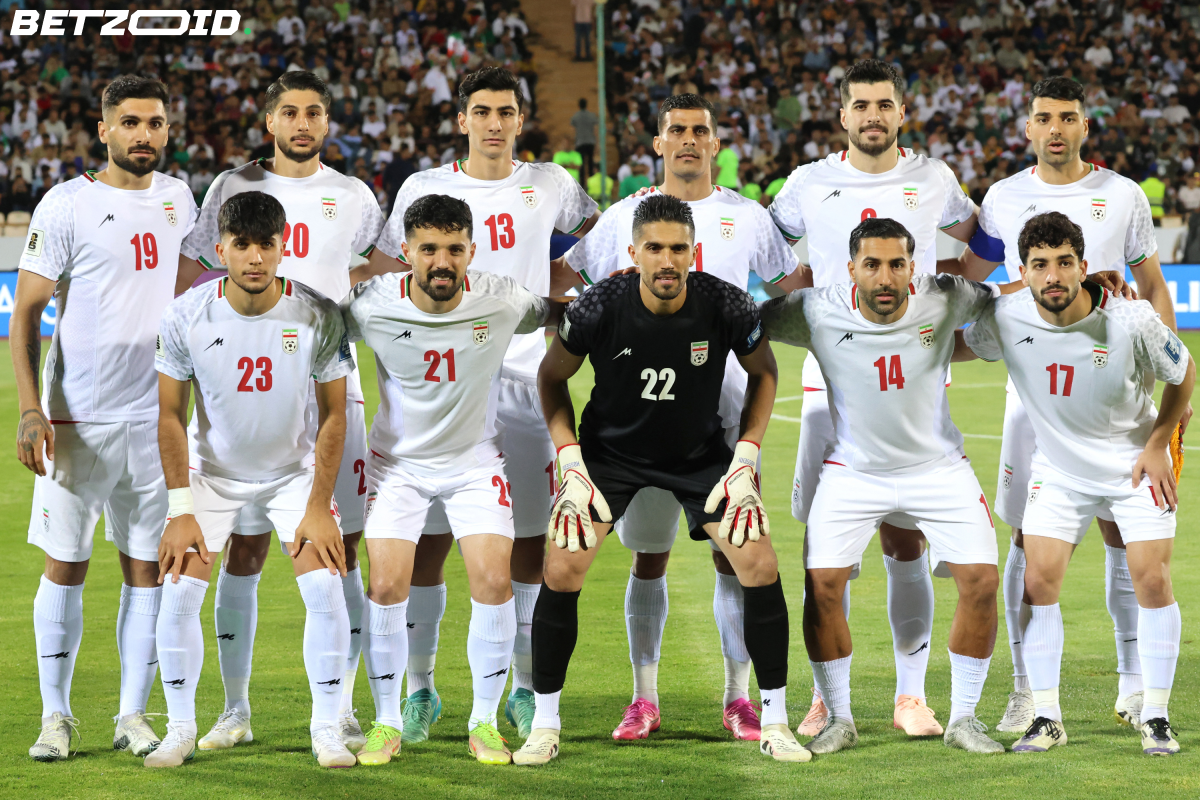
Iran's threat to skip the 2026 FIFA World Cup isn't exactly new territory. History shows us that mixing football and politics sometimes leads countries to walk away from the biggest stage in the sport. Let's look at when nations actually pulled out of the World Cup over the years.
Full boycotts are pretty rare, honestly. Most withdrawals happened during qualifying rounds rather than at the actual tournament. But when they did happen, they usually changed how FIFA handled things going forward.
The Early Years: South America Takes a Stand
Back in 1938, Uruguay and Argentina refused to show up in France. Why? They were mad that Europe got to host two World Cups in a row after Italy in 1934. South American teams felt disrespected, especially since many European nations had skipped Uruguay's 1930 tournament.
Then in 1950, India qualified but pulled out. For years, people said it was because FIFA banned barefoot play. Turns out that wasn't true at all. The real reasons were travel costs, preparation time, and some internal disputes. Still, it's remembered as a major missed opportunity.
The 1958 tournament saw Egypt, Sudan, and Indonesia refuse to play Israel for political reasons. This left Israel without an opponent, so FIFA made them face Wales in a playoff. Wales won and made their first World Cup.
Boycotts That Changed FIFA Forever
The 1966 boycott was massive. All 15 African nations walked away from qualifying after FIFA gave Africa, Asia, and Oceania just one spot combined. Ghana's Ohene Djan led the protest, calling it unfair and insulting. FIFA listened and eventually gave Africa guaranteed qualification spots.
In 1974, the Soviet Union refused to play in Chile's Estadio Nacional. The stadium had been used as a detention center after Chile's military coup. FIFA wouldn't move the match, so Chile literally scored into an empty net to qualify in one of football's strangest moments.
Yugoslavia got banned from the 1994 World Cup in the United States due to UN sanctions during the Yugoslav Wars. That wasn't voluntary, but it showed how global politics can knock out football powerhouses.
For the 2022 Qatar World Cup, the US and UK governments boycotted diplomatically. Officials didn't attend matches over human rights concerns, but the teams still played.
Iran's current threat puts them in rare company. Whether it affects betting odds for 2026 qualification depends on if they actually follow through. History shows most boycott threats don't materialize, but the few that did reshaped football politics forever. FIFA will likely want to avoid another controversy that could impact tournament integrity and betting markets heading into North America 2026.