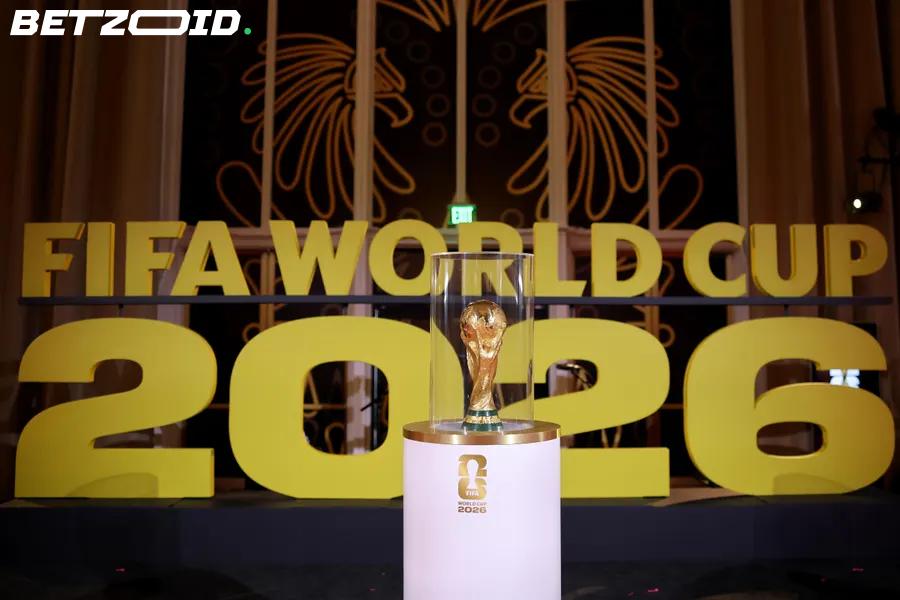
Think the 2026 World Cup is the first tournament dealing with major drama? Think again. Every World Cup throughout history has come with its own set of headaches and controversies.
Before the 2026 competition even kicks off on June 11, we've already seen issues. High ticket prices have fans frustrated. Several European nations are concerned about political tensions. And there are ongoing controversies that could affect team participation.
Let's take a trip through World Cup history and look at the biggest off-field controversies that have plagued the tournament over the past 96 years.
The Early Days Were Messy
The very first World Cup in 1930 was supposed to have 16 teams. But only four European teams showed up in Uruguay. Why? Because traveling by ship across the Atlantic took weeks, and many top teams like Italy, Spain, and England simply stayed home.
The 1934 tournament in Italy was even more bizarre. Uruguay didn't show up as revenge for the previous snub. The format was pure elimination, meaning teams traveled thousands of miles just to potentially play one game and go home. And to top it off, the Italian team performed a fascist salute at the final.
By 1938, FIFA still hadn't learned its lesson. They scheduled the World Cup in France right before World War II broke out. The single-elimination format remained, creating a logistical nightmare for participating nations.
Modern Era Brought New Problems
Fast forward to 1986, and Colombia dropped out as host due to economic troubles. Mexico stepped in, but the tournament featured the infamous Argentina vs. England quarterfinal. This match happened just four years after the Falkland Islands War, creating massive political tension.
Diego Maradona scored both his controversial "Hand of God" goal and his legendary 60-yard solo effort in that match. For bettors following international tournaments today, political tensions between nations can still impact match atmospheres and team performances.
The 1994 World Cup nearly got taken away from the United States. There were rumors that if the U.S. failed to qualify for Italia '90, they'd lose hosting rights. Paul Caligiuri's goal against Trinidad & Tobago on November 19, 1989, saved both American qualification and the tournament itself.
In 1998, the U.S. faced Iran in a politically charged group stage match. The tension was so thick you could cut it with a knife. FIFA organized a joint team photo to promote peace, with players from both nations standing together exchanging flowers.
The 2002 tournament marked the first co-hosted World Cup between Japan and Korea. Given Japan's control of Korea from 1910-1945, many feared disaster. Surprisingly, things went smoothly.
South Africa's 2010 World Cup faced major concerns about crime rates. Critics said it was too dangerous to host. But like previous tournaments that faced criticism, the event went off without major incidents.
The 2018 and 2022 World Cups brought controversy to new levels. Russia hosted in 2018 amid political tensions. Qatar's 2022 tournament faced serious criticism over migrant worker deaths. The Guardian reported that 6,500 workers died building stadiums and infrastructure. LGBTQ rights concerns also dominated headlines due to Islamic sharia law in the host nation.
Looking ahead to 2030, there's already drama brewing. Spain claims it will host the final, but Morocco has other ideas. That tournament will span six countries across three continents, starting in South America before moving to the Mediterranean region.
The bottom line? World Cup controversies are nothing new. They've been part of the tournament since 1930, and they'll likely continue as long as the competition exists.