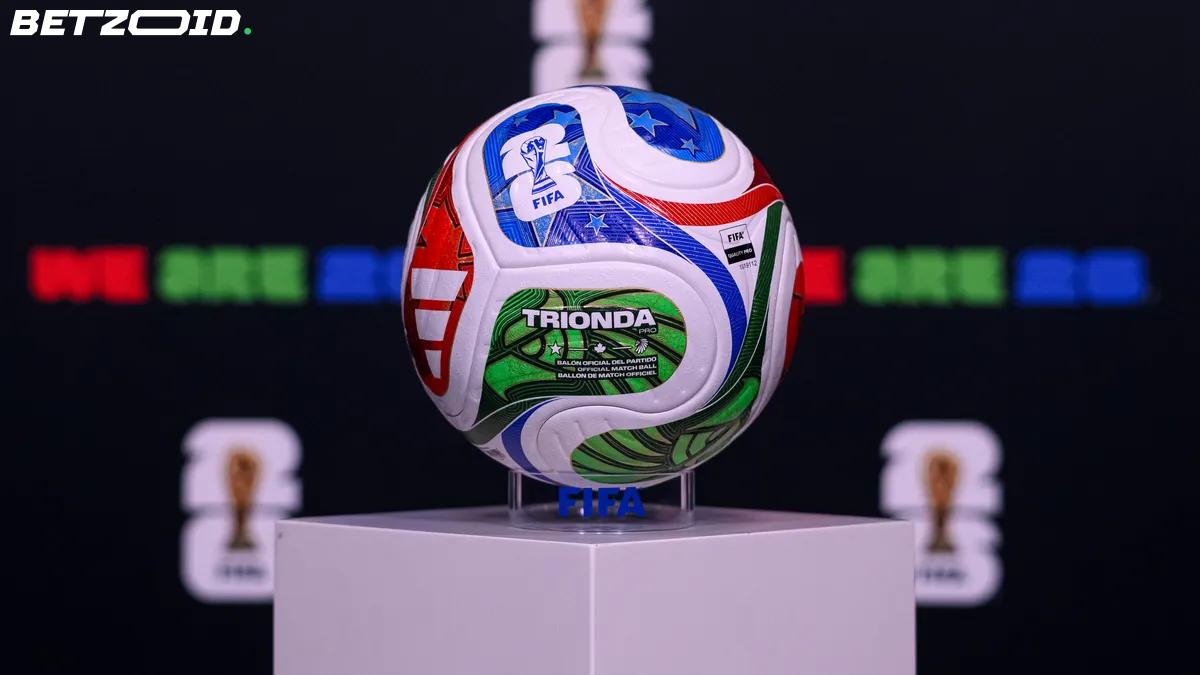
Before anyone blames the United States for calling it soccer, here's the thing: England came up with the word first.
It traces back to 1863, when the newly formed Football Association in England drew up official rules to separate their game from rugby. Two codes, two names needed. Simple enough. Then, in the 1880s, English slang did what English slang does — it chopped words up and stuck "-er" on the end. Association football became "assoccer," which eventually smoothed into "soccer."
How the U.S. ended up on a different path
By the time soccer crossed the Atlantic, American gridiron football was already the established code. The round-ball crowd needed a word that wasn't taken. Soccer fit. It stuck. And over the following century, as "football" became synonymous with touchdowns and helmets in American culture, there was no reason to revisit it.
The U.S. isn't even alone in this. Canada, Australia, New Zealand, and South Africa all use "soccer" too — each for broadly similar reasons, where another football code had already claimed the name.
Most of the world, of course, went the other way. From the late 19th century onward, country after country adopted "football" as the default. It's now the global standard by a wide margin.
What it means heading into 2026
With the FIFA World Cup landing in the United States, Canada, and Mexico in 2026, the soccer-versus-football debate is going to get louder again — and not just as a pub argument. Casual American audiences engaging with the tournament for the first time will be navigating a sport whose global culture and terminology they're still absorbing. That learning curve is real, and it's part of what makes U.S. football fandom such an interesting commercial and sporting frontier right now.
Pelé called it "O Jogo Bonito" — The Beautiful Game. Whatever you call it, 2026 will be its biggest stage yet on North American soil.