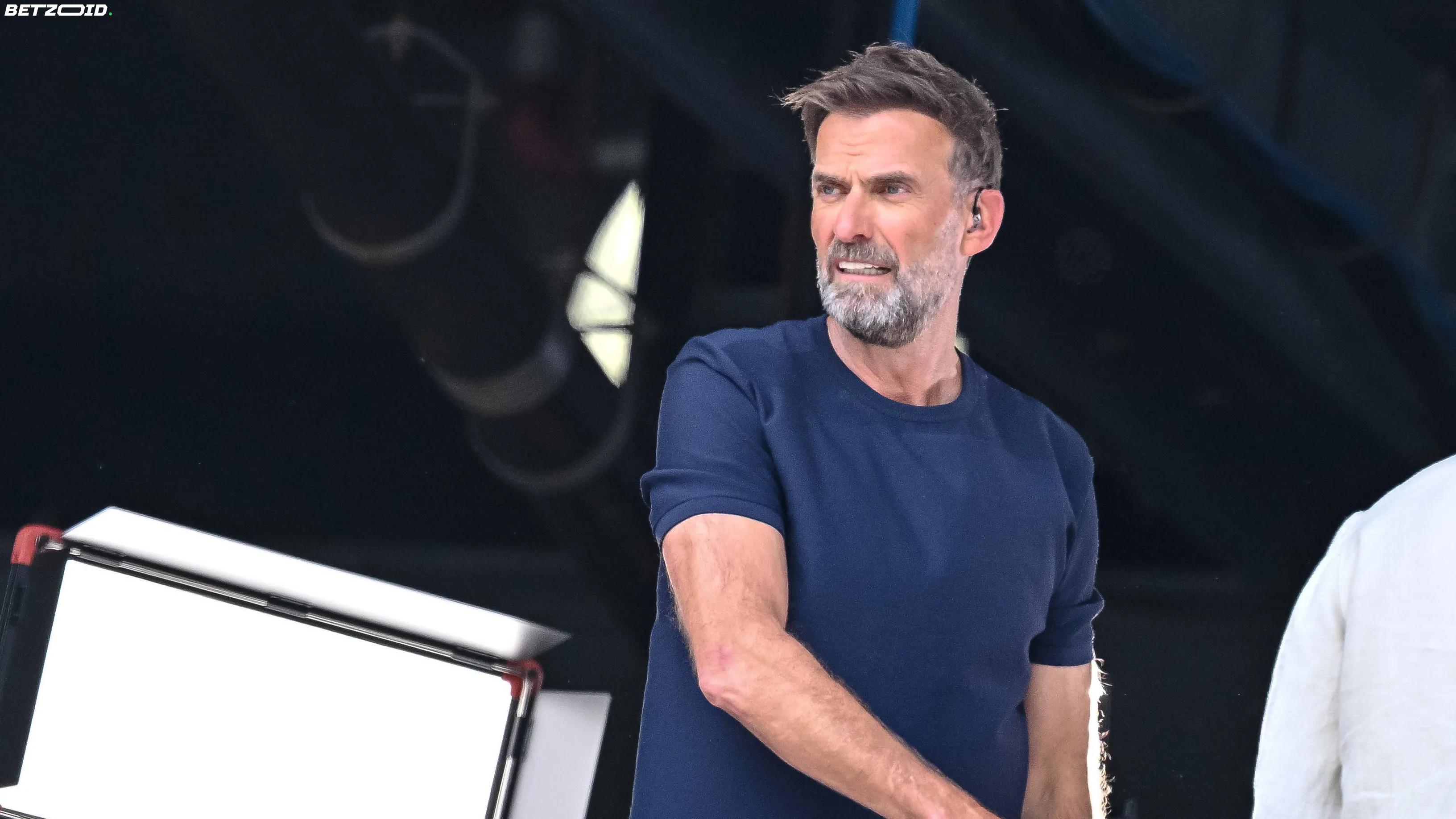
"We have a distinguished generation of players, and Jürgen Klopp is the right man at this stage." That's Herbert Hainer talking — the president of Bayern Munich, a club Klopp spent years making miserable during his Borussia Dortmund days. When the man whose team you tormented is publicly cheering your appointment, you're probably the right call.
The German Football Association are set to confirm Klopp as national team head coach next Friday. He replaces Julian Nagelsmann, who walked after Germany crashed out in the round of 32 against Paraguay — a third consecutive early World Cup exit for a nation that used to treat the tournament like a personal property.
What Klopp is actually walking into
This isn't a glamour job right now. Three successive early exits. A squad that, on paper, shouldn't be losing to Paraguay in the last 32. Nagelsmann couldn't fix the disconnect between talent and results, and the DFB has decided the answer is someone who's never managed an international team but has an almost unmatched record of building cultures that win.
That's the Klopp gamble — and it's a reasonable one. Mainz. Dortmund. Liverpool. Every stop produced something more than the sum of its parts. Back-to-back Bundesliga titles in 2011 and 2012 with Dortmund. A Champions League and a Premier League with Liverpool. He doesn't inherit squads and maintain them. He transforms them.
Hainer framed it well: "He always succeeds in carrying everyone along with him." The German national team's problem hasn't just been tactical. It's been a team that looks like it's playing for a badge rather than for each other. Klopp's entire coaching identity is built around fixing exactly that.
The Red Bull detour is over
Since leaving Liverpool in May 2024, Klopp has been working as Head of Global Soccer at the Red Bull group — a role that kept him in football without putting him on a touchline. He said he needed a break from management. Apparently 18 months was enough.
He's expected to sign through to the 2030 World Cup finals, giving him two full cycles to drag Germany back into genuine contention. At 59, this might be his last major post. The DFB knows it, and so does Klopp. Germany's odds of reaching the latter stages of 2026 just shifted — how far depends on whether he can do in six months what took him two years at every previous club.
Hainer put it plainly: the national team "needs a strong morale boost and a completely fresh start." He's not wrong. Whether Klopp can deliver both simultaneously is the only question that matters now.