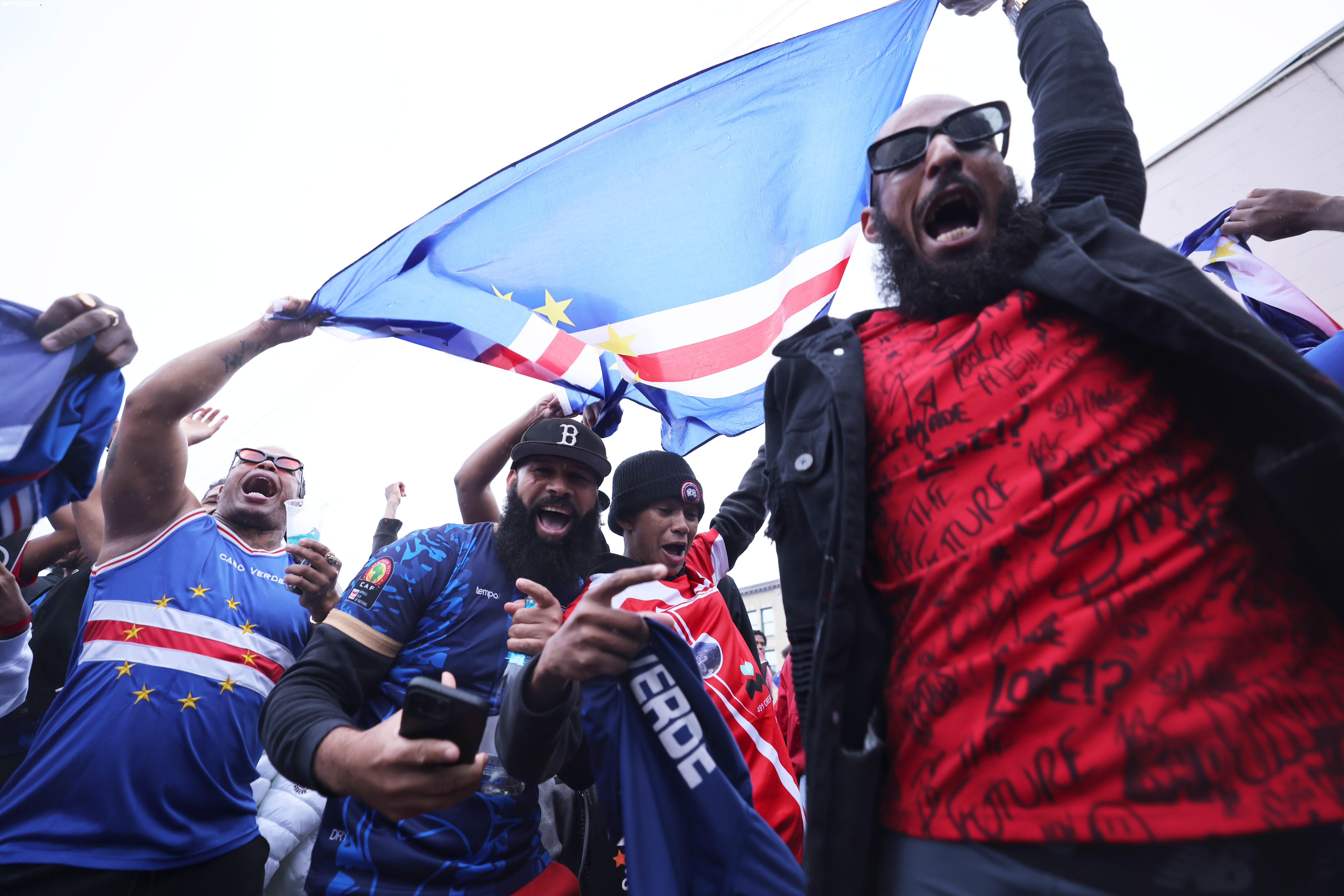
Cape Verde are heading to the World Cup for the first time ever — and they earned it the hard way, topping a qualifying group that included Cameroon.
The Blue Sharks, officially representing the Republic of Cabo Verde, are a collection of Atlantic islands sitting roughly 350 miles off the northwest coast of Senegal. Population: just over half a million. World Cup appearances: now one. Only two nations in history have reached the tournament with a smaller population. That context matters.
How Cape Verde actually got here
Six wins from eight qualifying matches, finishing above Cameroon, Libya, Angola, Mauritius and Eswatini. Their only loss came away to Cameroon in June 2024 — a result that stings less when you consider they'd already beaten them. A 3-0 win over Eswatini in their final game sealed the deal.
This wasn't a fortunate route. Cameroon are a nation with five World Cup appearances and an AFCON pedigree. Cape Verde went above them on merit.
At the expanded 48-team tournament, every group stage debut has more breathing room than in previous editions — three teams advance from each group of four. That structure gives smaller nations a genuine shot at the knockout rounds rather than a glorified send-off. Cape Verde's odds of reaching the Round of 32 will depend entirely on the draw, but they won't arrive as tourists.
A country worth knowing
Portuguese is the official language, a legacy of over 500 years of colonial rule that ended on July 5, 1975. But in daily life, most people speak Kriolu — a creole blending Portuguese with African linguistic roots. The capital is Praia, on the island of Santiago.
The country's name translates to "Green Cape" from the Portuguese, which is mildly ironic given the islands' dry climate. The government has pushed for the use of "Cabo Verde" internationally, though English-speaking media largely still uses the older form.
One footnote worth knowing: a hantavirus outbreak linked to a cruise ship near the islands made headlines in May 2026. The WHO found no evidence of a wider outbreak within Cape Verde itself — it had no bearing on the football side of things, but it's the kind of story that attaches itself to a country's name right before a tournament.
Cape Verde are roughly 2,300 miles from Miami. Come June 2026, a lot of American hosts will be Googling where exactly that is.