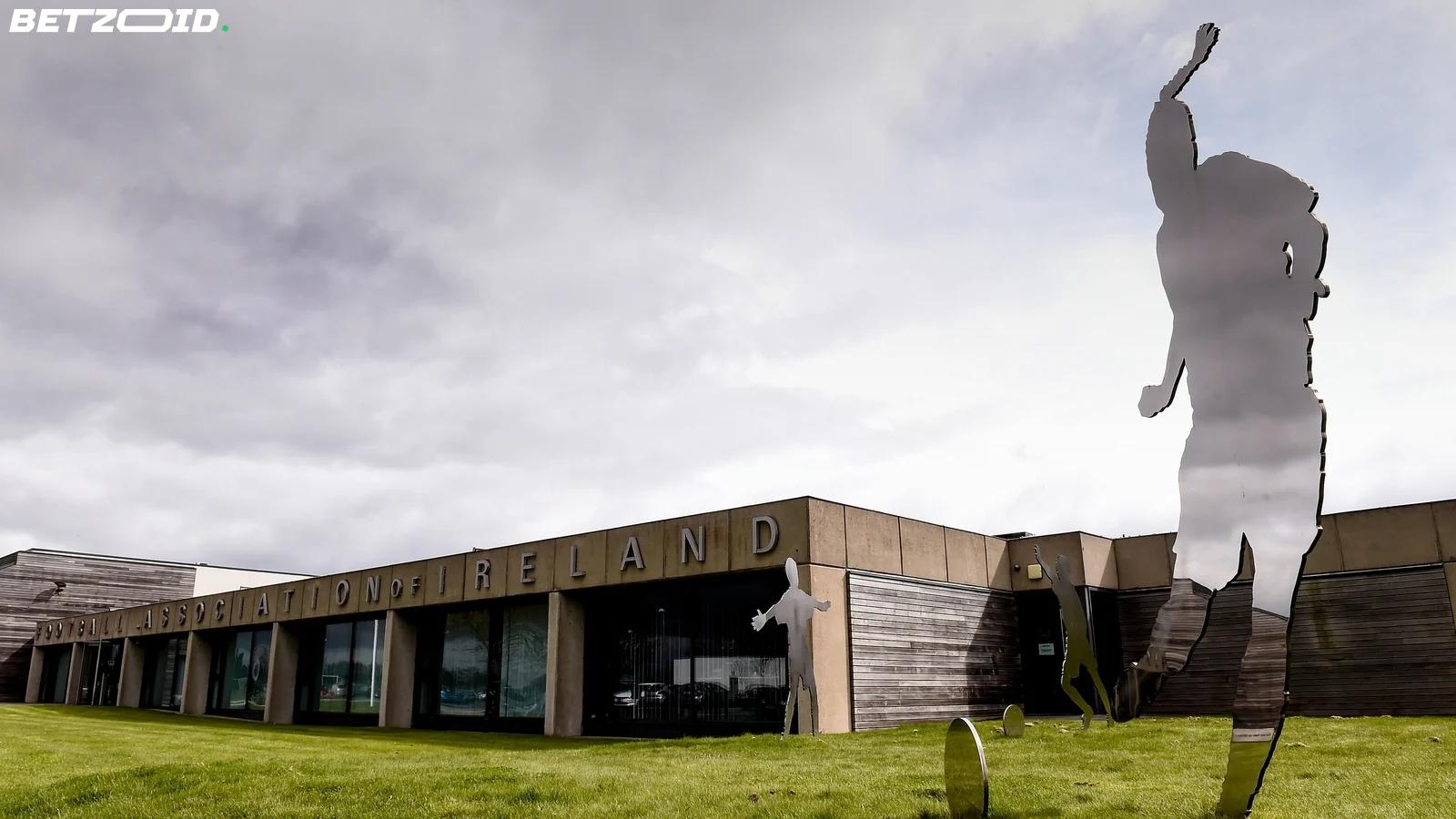
The FAI has pulled the plug on its aligned football calendar project, confirming it will not be delivered within either the current Football Pathways Plan or the 2026-2029 Strategic Plan. After years of debate, grassroots opposition, and a general assembly vote that was barely off the page before the backlash started, Irish football's governing body has blinked.
This was never going to be a clean fight. When the association's general assembly voted in late 2024 in favour of a phased move toward summer football by 2028, roughly two-thirds of grassroots leagues were still running winter-season structures — August/September through to early summer. That's not a minor scheduling tweak. That's asking hundreds of clubs to restructure their entire football year.
Why the opposition was so loud
Kevin Doyle put it plainly back in early 2024: shift clubs to a summer calendar and rural underage players will simply drift toward the GAA when school is out. That's not a hypothetical — it's how Irish sporting culture works at ground level. The FAI's own grassroots director and a Carlow league secretary were still publicly debating the issue on RTÉ's Soccer Podcast as recently as April 2025. The conversation never really moved forward because the fundamental tension never went away.
Ireland is still the only UEFA member without an aligned football calendar. The League of Ireland — men's and women's — already runs a summer model, roughly February to November. So the professional game is aligned. Everything below it is not. That gap is real, and the FAI hasn't fixed it. They've just agreed to stop trying to fix it on this particular timeline.
What actually changes
- The FAI Men's Under-17 Cup, FAI Youth Cup, FAI Intermediate Cup and FAI Junior Cup will all move to a winter-season schedule.
- Individual leagues retain the freedom to choose whichever structure suits their local circumstances.
- A full re-examination of the aligned calendar concept could return as part of the next strategic planning process after 2029.
The FAI's statement framed this as a resource decision — focusing energy on priorities with the "greatest benefit for Irish football over the next three years." That's fair enough as explanations go. But it also reflects just how much political capital the association would have had to burn to push this through against organised resistance from the very leagues it depends on.
The door isn't closed permanently. The FAI was careful to say the aligned calendar "may be revisited" after 2029. But that's a long way off, the opposition hasn't softened, and Ireland will remain UEFA's calendar outlier for the foreseeable future.