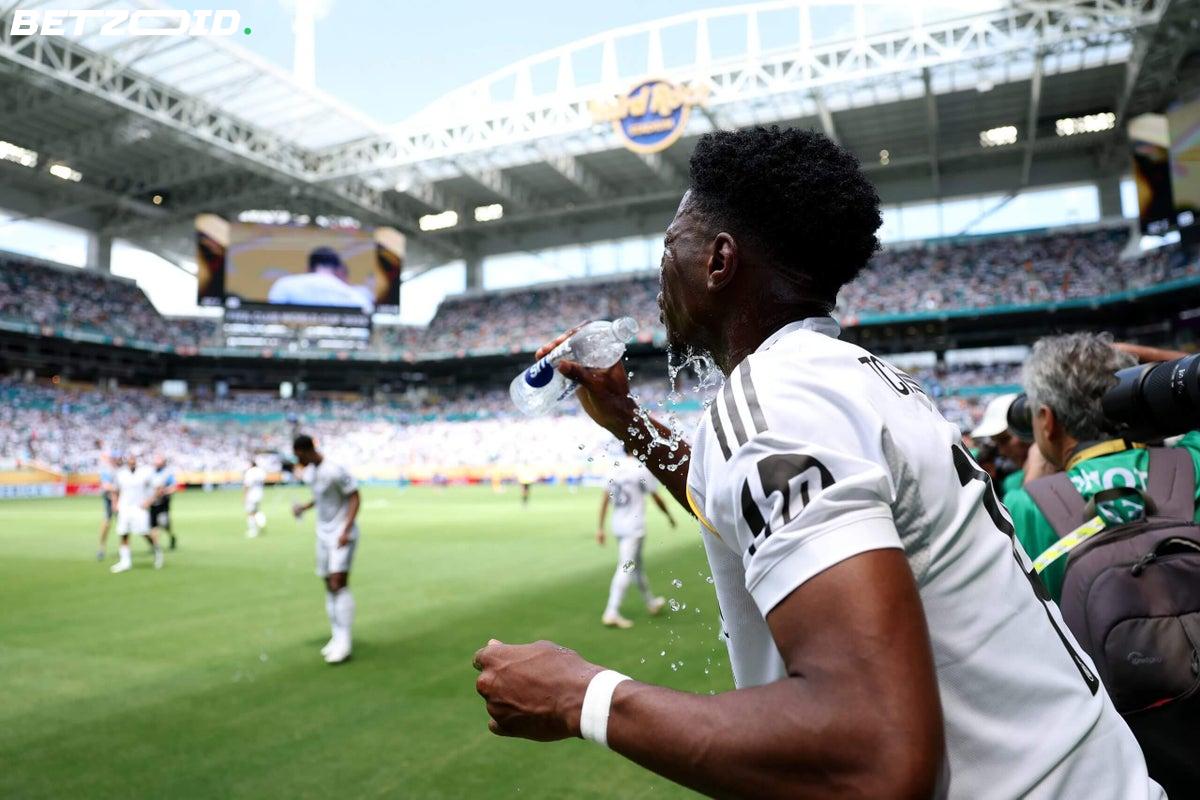
The 2026 World Cup is about to look very different from any tournament you've watched before. FIFA just confirmed that broadcasters can cut away to show commercials during mandatory "hydration breaks" in every match.
Here's the deal: there will be a three-minute break halfway through each half. That's right - both halves will get paused, regardless of the weather or temperature. FIFA says it's all about player welfare, but let's be honest, this is also about money.
The Athletic spoke to multiple sources, including someone at FIFA, who confirmed the ad break guidelines. Broadcasters can flip away from the match to show commercials, just like during halftime or timeouts in basketball.
How the Commercial Breaks Will Work
There are some rules in place, though. Broadcasters must wait at least 20 seconds after the referee blows the whistle to start showing ads. They also need to return to the match feed at least 30 seconds before play resumes.
This gives them about two minutes and 10 seconds for commercials. Not bad for advertisers looking to reach millions of football fans.
Networks don't have to show full-screen ads if they don't want to. They could keep the match feed on screen and show banner ads alongside it. They could cut to studio analysts breaking down the first half. The choice is theirs.
But here's where it gets interesting for FIFA's big-money sponsors. If a broadcaster doesn't fully cut away from the match, they can only sell ad space to FIFA's official partners. Think Coca-Cola, not Pepsi. Think Powerade, not Gatorade.
This protects companies paying FIFA hundreds of millions of dollars for World Cup association rights. They don't want their competitors sneaking onto screens during the biggest football tournament on Earth.
What This Means for Viewers and Betting
If Fox or Telemundo cuts to full-screen commercials, they can sell those spots to anyone. That's where the real money comes in for broadcasters. Industry experts told The Athletic that these breaks will be incredibly profitable.
Ricardo Fort, a former executive at Coca-Cola and Visa, put it simply: broadcasters will make way more money this way than if FIFA controlled all the advertising itself. And those broadcasters will pay FIFA more for rights as a result.
For football purists, this is rough news. Telemundo's sports VP Joaquin Duro admitted that soccer is becoming more like American football or basketball with these breaks. "Soccer is different," he said, clearly not thrilled about the change.
Some broadcasters might choose to stay with the match feed to capture tactical discussions between coaches and players. That's actually valuable content - you can learn a lot about how teams adjust their strategy mid-match.
For bettors, these breaks could be interesting. You'll get a chance to see coaches making real-time adjustments, which might help you make better live betting decisions. Teams trailing at the break might show their hand about tactical changes.
CONMEBOL already introduced 90-second hydration breaks in South American competitions like the Copa Libertadores. But they don't cut to ads - they keep cameras on coaches and players to capture the behind-the-scenes action.
The 2026 World Cup will be the first major tournament to pause all matches mid-half for three full minutes. Whether you like it or not, this is the new reality of football's biggest stage.