"It's like they are trying to make some business with our passion." That line, from a 35-year-old software developer named Soledad Aldao at a Buenos Aires barbecue, is the cleanest summary of what FIFA has done to the 2026 World Cup ticket market.
For the first time in the tournament's nearly 100-year history, FIFA has adopted dynamic pricing — the same model airlines and concert promoters use to extract maximum spend from the most motivated buyers. For Argentina fans, who are among the most motivated buyers on the planet, the consequences have been savage. Group-stage tickets that cost $70 in Russia and Qatar now start above $800. That's not inflation. That's a different product being sold to the same people.
Aldao bought two group-stage tickets for $700 each to watch Argentina face Jordan and Algeria. That's more than the average monthly wage in Argentina — for a single game. Since her purchase, prices have climbed further. Tickets for Argentina's group games now cost double the equivalent seats for the other teams in their group: Algeria, Jordan, and Austria. The market is pricing the Messi premium in real time, and Argentine fans are the ones funding it.
A country that can barely afford it, going anyway
Argentina's economy makes this particularly cruel. Average monthly income for registered workers sits around $1,200. Nearly half the workforce operates informally, often earning less. Inflation has been running hot for years. And yet tens of thousands of these fans will still find a way to get to Dallas, Kansas City, and wherever else Argentina plays this summer.
Matias Celestino, 43, attended all 18 of Argentina's qualification games — nine at home, nine away, crossing the continent with his drum. He's maxed out credit cards, held a raffle, and asked neighbors to chip in. His wife, a teacher, plans to quit her job to make the trip. They've taken on several thousand dollars of debt for a month in the United States. He's still waiting to buy tickets, hoping prices drop closer to the games. "I'm hoping there's going to be a kind soul to help me out," he said.
Alejandro Solnicki, 41, paid $750 per ticket for each of Argentina's three group games and routed his flights through São Paulo, Aruba, and Charlotte to save money. For a recent qualifier in Colombia, he shared a single hotel room with ten people. "We all slept sitting up," he said. "We spend whatever it takes because we're fanatics; we don't use rationality."
That's not a joke. It's a mission statement for an entire fanbase.
What FIFA stands to lose
FIFA's dynamic pricing doesn't stop at face value. On the official resale platform — from which FIFA, a nonprofit, pockets a 30 percent cut — a ticket to the July 19 final was listed for over $2 million. FIFA's own asking price for final tickets has already hit $10,000, roughly ten times the 2022 equivalent.
The governing body argues the revenue funds global soccer development. That case becomes harder to make when your pricing model is structurally identical to Ticketmaster's.
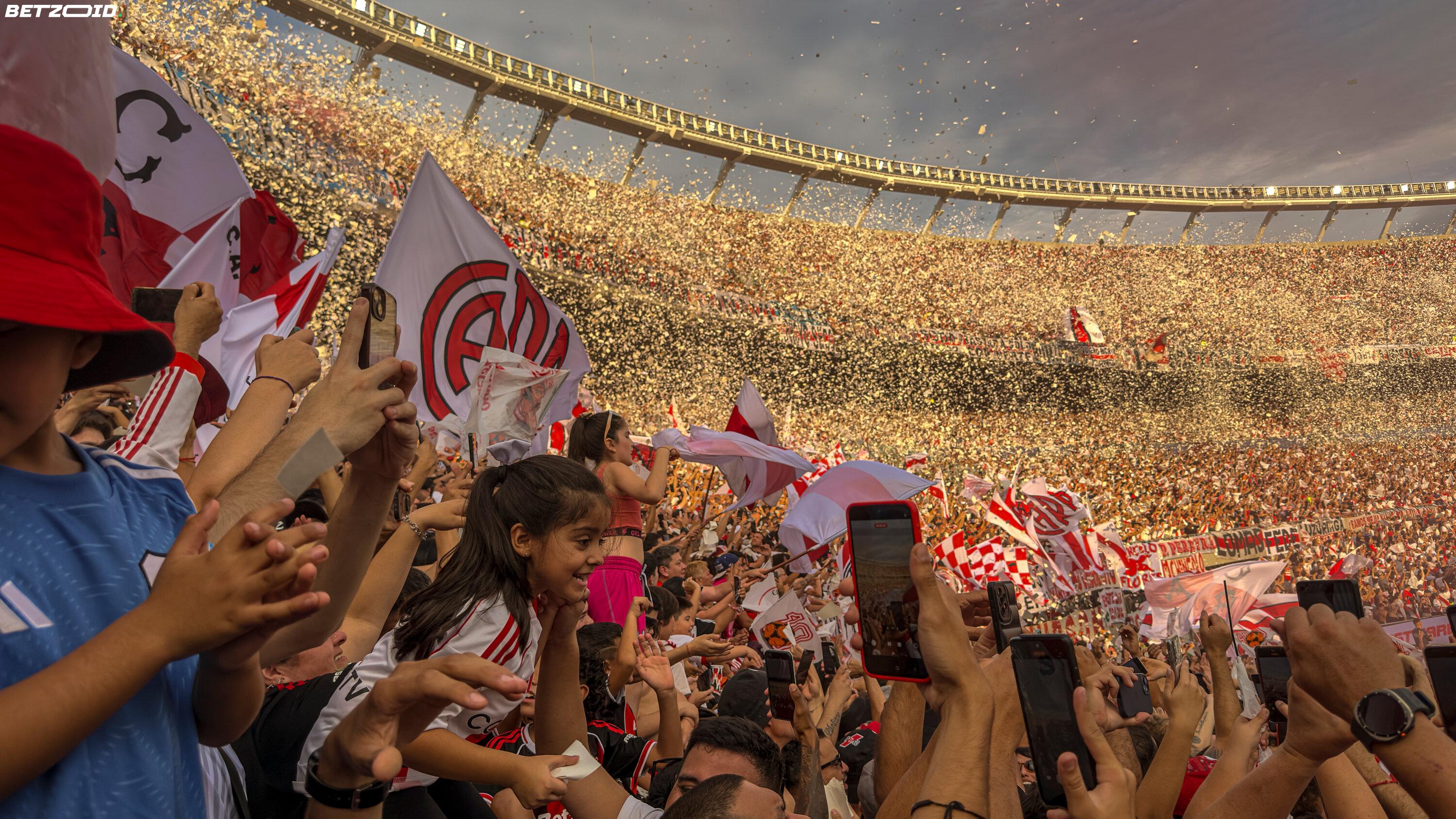
And there's a sporting cost here too, not just a financial one. Argentine fans have been the atmospheric backbone of recent World Cups. In Qatar — an event that genuinely struggled for atmosphere in the early rounds — they filled stadiums, took over a neighborhood (now permanently renamed "Argentine neighborhood"), and gave the tournament its pulse. If pricing locks them out in significant numbers, the 2026 edition loses something that can't be replaced by corporate hospitality packages.
Jose Serio, trying to reach his sixth World Cup, put it plainly: "They're taking out the most beautiful thing that football has: the flags, the drums, the colors — they're killing that. If they don't lower the prices, they won't have that atmosphere."
Some fans have made a deliberate choice to stay home in protest. Rodrigo Diez attended three World Cups at prices between $50 and $70 and won't go at these rates. "Going there would be like playing into their hands," he said, "so that for the next World Cup, they'll just do the same thing again."
He's probably right. And FIFA almost certainly doesn't care.