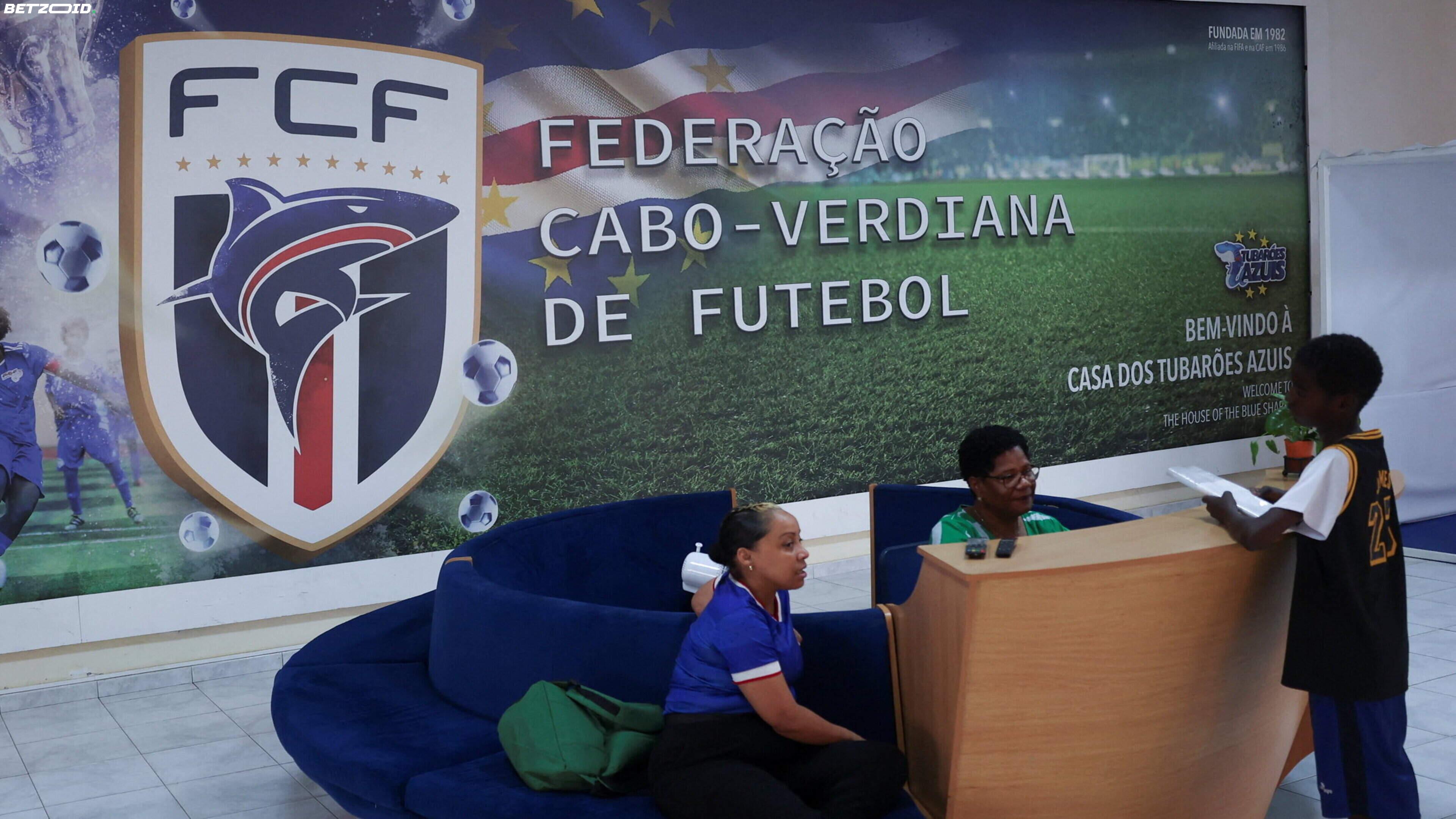
"They only gave us a 1% chance, but I always said that 1% is a lot for us." That quote from supporter Renato Ribeiro sums up Cape Verde's 2026 World Cup story better than any highlight reel could.
A nation of 500,000 people — the least populous ever to reach the World Cup knockout rounds — held Spain to a draw in the group stage, scored their first-ever World Cup goal against Uruguay through Kevin Pina, and then pushed defending champions Argentina all the way to extra-time before bowing out 3-2. It wasn't a fluke. It was a statement.
What the academies already built
Back in Praia, the capital, the infrastructure behind that statement is already visible. Bola Pra Frente — "Ball Forward" — Academy, founded in 2010, currently runs 240 players aged four to 17 through its programme. It's not a feel-good grassroots project. It's already produced results: defender Joao Paulo Fernandes and midfielder Kevin Pina, scorer of that historic first World Cup goal, both came through its doors. Dublin-born Shamrock Rovers defender Pico Lopes, who became a fan favourite during the tournament, is part of a broader generation of Cape Verdean talent developed both at home and abroad.
Head coach Silveria Nedio runs the academy and doubles as coach of the women's national team — a team she guided to their first-ever Africa Cup of Nations qualification, with the tournament kicking off this month in Morocco. That's two national programmes moving in the same direction at the same time.
Praia alone has more than 20 football academies. Spread them across 10 volcanic islands and you start to understand why federation president Mario Semedo believes the infrastructure investment has "played a major part" in where the national team now stands.
The talent drain that's actually an asset
The standard criticism of small football nations is that they can't hold onto their best players. Nedio flips that on its head. "Every time a child from Cape Verde leaves for Portugal at 13 or 15 years old, it is an advantage for us," she said. The logic holds — players who develop in competitive European environments return as polished professionals. The Cape Verde model isn't plug-and-play; it's a pipeline.
Financial constraints remain real. The national programme can't fund everything domestically. But the World Cup run changes the commercial and psychological equation. Sponsors notice a team that pushes Messi into extra-time. Young players notice too.
Twelve-year-old Cesar Alexandre Frana has been training at Bola Pra Frente since he was six. Nine-year-old Marcelo Pereira Valera has been there three years. Both want to reach the national team. Before this summer, that dream had context but no recent proof. Now it does.
"From this moment onwards, things can change completely — both in football and in the country," Nedio said. Given what just happened, that's not optimism. That's a reading of the situation.