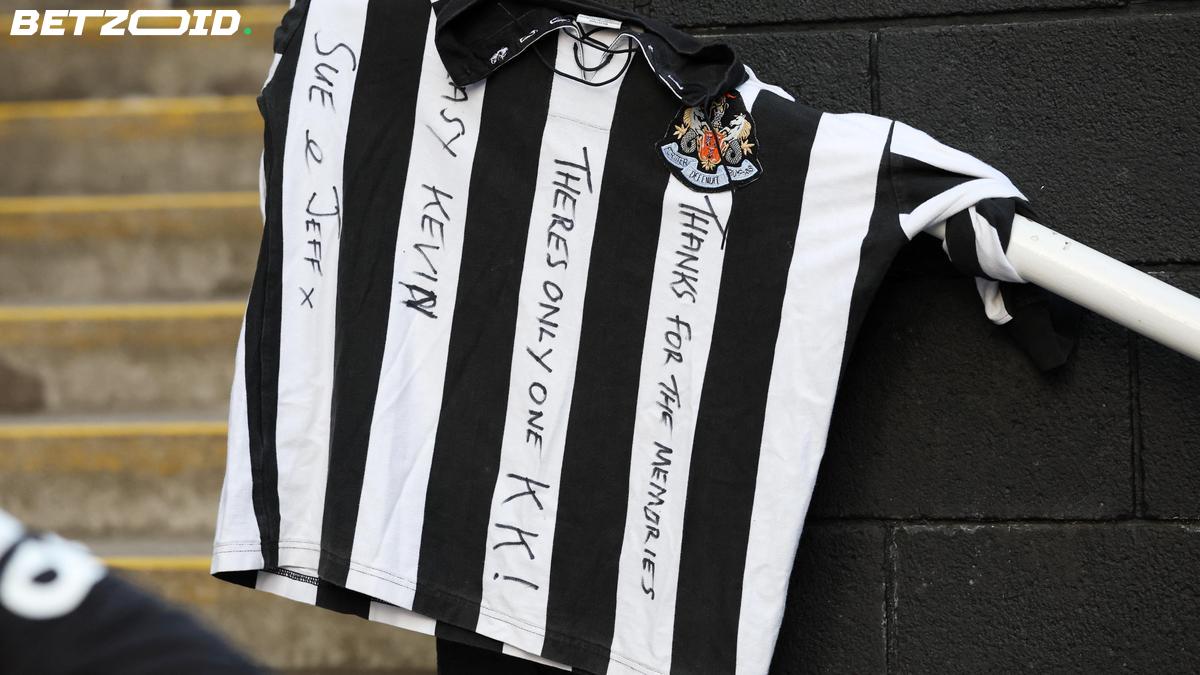
Kevin Keegan is gone. The man who won the European Cup with Liverpool, claimed back-to-back Ballons d'Or at Hamburg, captained and managed England, and became the most recognisable footballer on the continent in the late 1970s died on Monday, July 20, 2026. He was 75, and had revealed just last month that he was battling stage four cancer.
Newcastle United — the club where he finished his playing career, retired as a fans' hero, and later came agonisingly close to a Premier League title as manager — broke the news. "One of the most iconic, influential and deeply loved figures in our club's history," they said. That's not empty tribute. At St. James' Park, Keegan meant something different to different generations, and he delivered for all of them.
The player: from Scunthorpe to the summit of European football
Keegan started at fourth-tier Scunthorpe before Bill Shankly brought him to Liverpool in 1971. Within two years he was part of a league and UEFA Cup double. By 1977 he was the catalyst in a 3-1 European Cup final win over Borussia Mönchengladbach — it was Keegan who drew the foul from Berti Vogts that led to Phil Neal's penalty and sealed the trophy.
Then he did something almost no English player had done before: he left. Hamburg paid through the roof for him in 1977, making him reportedly the highest-paid player in European football. His new teammates resented it. He won them over anyway — and won the Ballon d'Or in both 1978 and 1979, making him one of only four Englishmen ever to claim the award. Hamburg's own statement said he was "one of the best footballers ever to wear the rhombus on his chest." They know what they had.
At 5ft 8 and nicknamed "Mighty Mouse," Keegan was never imposing physically. What he had was relentless movement, a nose for goal, and a work rate forged in a working-class upbringing in Doncaster that never left him regardless of the fame that followed. His final full season in England — at Southampton in 1981-82 — saw him finish as the top scorer in the entire First Division with 30 goals. He was 31.
- Two-time Ballon d'Or winner (1978, 1979)
- European Cup winner with Liverpool (1977)
- Five league titles across England and Germany
- Two UEFA Cups with Liverpool, including scoring in both legs of the 1976 final
- 63 caps for England, 21 goals, including the 1982 World Cup
The manager: glory, heartbreak, and a toilet cubicle resignation
His coaching career is remembered most for one night in April 1996 and one sentence: "I'd love it if we beat them, love it." Keegan's Newcastle had led Manchester United by 12 points at the top of the Premier League. They collapsed. United won the title. That televised outburst — directed at Alex Ferguson after a week of mind games — became one of the defining moments of the Premier League era, not because Keegan cracked, but because it showed how much he cared and how raw that wound was in real time.
His England tenure was shorter and starker. Twenty months, a group-stage exit at Euro 2000, then a 1-0 home defeat to Germany in what turned out to be the final match at the old Wembley. He resigned afterwards — not in a press conference, but in an emotional conversation with FA officials conducted in a toilet cubicle. Even his exit had a quality no scriptwriter would dare invent.
Beyond football, Keegan was a genuine cultural figure in a way that players today — with social media, agents, and brand managers — rarely manage organically. A permed haircut that swept across Europe. An aftershave ad with heavyweight boxing champion Henry Cooper. A single, "Head Over Heels in Love," that charted higher in Germany than in England. He was famous in a way that crossed the sport entirely, and he'd built it himself.
"He was regarded as a hero wherever he went," Liverpool said in their tribute. Two European Cup finals, two countries, two Ballons d'Or — the record backs it up.