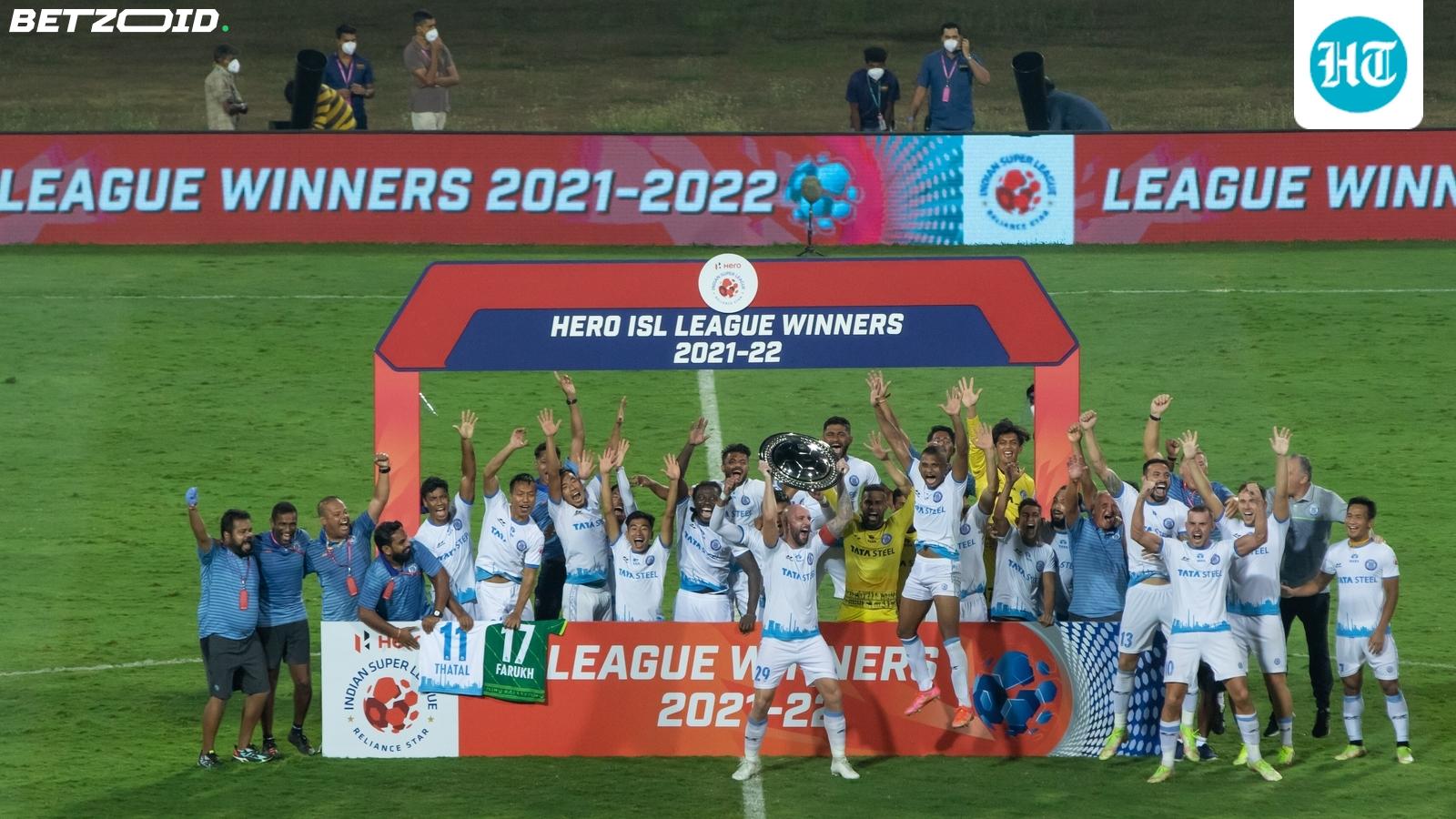
"The business model of JFC's participation in ISL is structurally financially unviable for the foreseeable future." That's not spin. That's the club's own CEO, Mukul Choudhari, writing to the AIFF on July 31 — and it cuts through the more polished language that followed.
Tata's representative Sundara Ramam tried to reframe the exit as "strategic" rather than "financial." But Choudhari's letter was already out there, describing a club almost entirely dependent on shareholder funding for operating costs, with shareholders no longer willing to carry it. Call it what you want. The money stopped.
A structural problem, not a Jamshedpur problem
The uncomfortable truth is that Indian clubs were losing money before Jamshedpur FC joined the ISL in 2017-18. They are still losing money now. The business model hasn't fundamentally changed — clubs have taken on a bigger role in marketing and securing broadcasters, but the revenue pool hasn't grown enough to make the numbers work. Jamshedpur aren't an anomaly. They're a warning.
For context: pre-tax losses in the Premier League — the most commercially successful league on earth — surged 600% between 2023-24 and 2024-25. Football clubs losing money is a global sport. But the ISL doesn't have the television rights fees, the global sponsorship market, or the matchday revenues to absorb those losses the way Europe's top leagues can. That gap matters enormously when you're pricing the risk of staying in.
Sunil Chhetri called it a punch in the gut. Sandesh Jhingan and the playing squad asked the owners to reconsider. AIFF president Chaubey appealed publicly for Tata to stay. Fans protested in Jamshedpur and an online petition circulated. All of this is genuinely new — nobody made this kind of noise when Dempo, Salgaocar, JCT or Mahindra United wound down their first teams, all of which had won leagues and cups.
The difference is that Jamshedpur built something. A fanbase. A connection to a city of nearly two million people. That matters — and MLS is the proof. Miami Fusion and Tampa Bay Mutiny folded not long ago in the same city that now hosts Lionel Messi. The turnaround took years of investment and patience. Australia needed government backing — a $15m soft loan — just to get its football infrastructure to a point where regular World Cup qualification became realistic from 2006 onward.
The petition numbers say something harder to ignore
By Thursday evening, the online petition to save Jamshedpur FC had fewer than 5,000 signatures. In a city of two million. That's the brutal arithmetic that makes it easier for owners to walk away — and harder to argue they should stay.
Mohun Bagan, East Bengal, and Mohammedan Sporting have survived decades of financial distress because their fanbases are existential. When Sultan Ahmed floated the idea of disbanding Mohammedan's football team, the backlash was so fierce the idea died immediately. Jamshedpur hasn't reached that level of entrenchment yet. Growing a supporters' culture takes time — but you need the club to still exist while you're growing it.
The Union government spent ₹37.98 crore on football over the past five years, sports minister Mansukh Mandaviya confirmed this week. The allocation for this year: ₹8 crore. Against that backdrop, expecting private shareholders to absorb structural losses indefinitely isn't strategy. It's hope dressed up as a business plan.