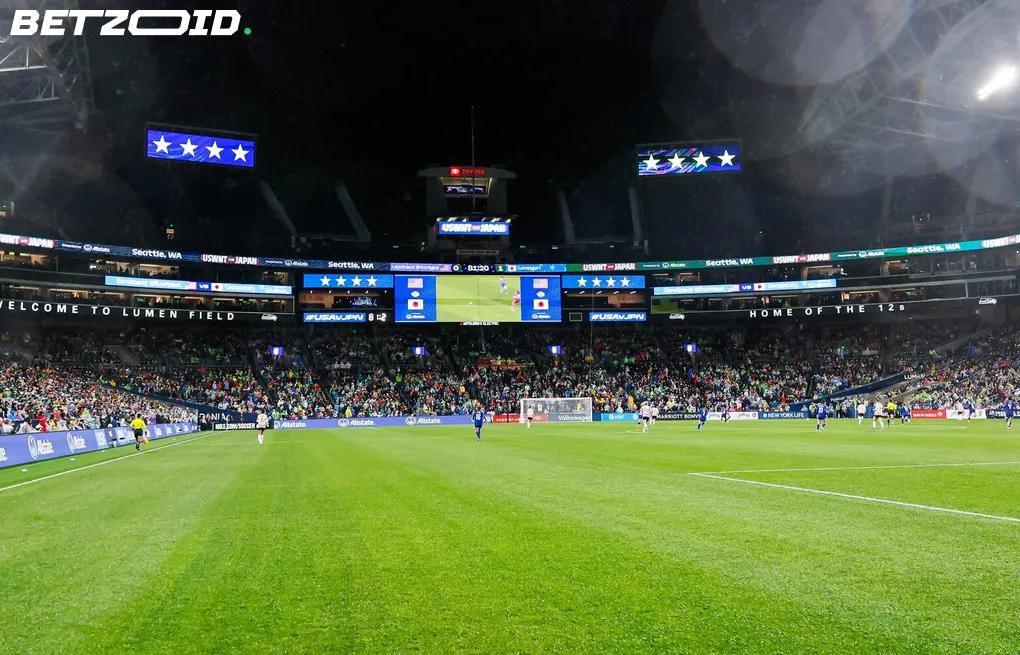
Two matches. Twenty-four hours apart. Back-to-back rainstorms. If you were designing a worst-case debut for a grass pitch laid down just ten days earlier, that's pretty much it. Lumen Field's brand-new surface passed anyway.
The sod — installed from late February over 12-to-14 inches of sand and base materials laid directly on top of the stadium's existing artificial turf — was broken in by the U.S. women's national team against Japan on Tuesday night, then immediately handed over to the Sounders for a CONCACAF Champions Cup clash with Tigres on Wednesday. Cold, wet, physically punishing football on both nights. No chunks coming up. No players skating across the surface. The grass held.
What the players actually said
Sounders forward Jordan Morris put it simply: "It didn't seem to come up." For a surface less than two weeks old, that's not a small thing. His teammate Danny Musovski said the ball moved smoother than usual and the surface felt better on his body — which matters when you're playing 50-plus matches a season on what is normally artificial turf.
U.S. women's coach Emma Hayes offered the most useful observation. The rain made the pitch play quicker than expected — misplaced passes ran away rather than dying — but her verdict was clear: "I think it played nicely. I didn't get a sense that there was an issue there." The conditions were a variable, not a problem with the surface itself.
Sounders boss Brian Schmetzer went further, comparing it favourably to the grass installed at Lumen for last summer's Club World Cup — a surface that had more time to bed in. "It's going to get better in the Seattle sunshine," he said. High bar, already met.
What this means for the World Cup — and beyond
The grass is scheduled for at least 16 matches over the next three months: six World Cup games, six for the Sounders, four for the Reign. After that, it all comes out and the artificial surface goes back in before the Seahawks' NFL season. The setup was always meant to be temporary.
But U.S. midfielder Olivia Moultrie's comment is the one that lingers. "I wouldn't necessarily walk out there and be like, 'Oh, this is laid down grass,'" she said. For a surface that's essentially a very sophisticated pop-up lawn inside a football stadium, that's the closest thing to a perfect review.
Whether it raises questions about making the switch permanent is almost beside the point right now. Six World Cup matches will be played here in front of a global audience. The surface just needed to be credible. Two stormy nights in April suggest it will be.