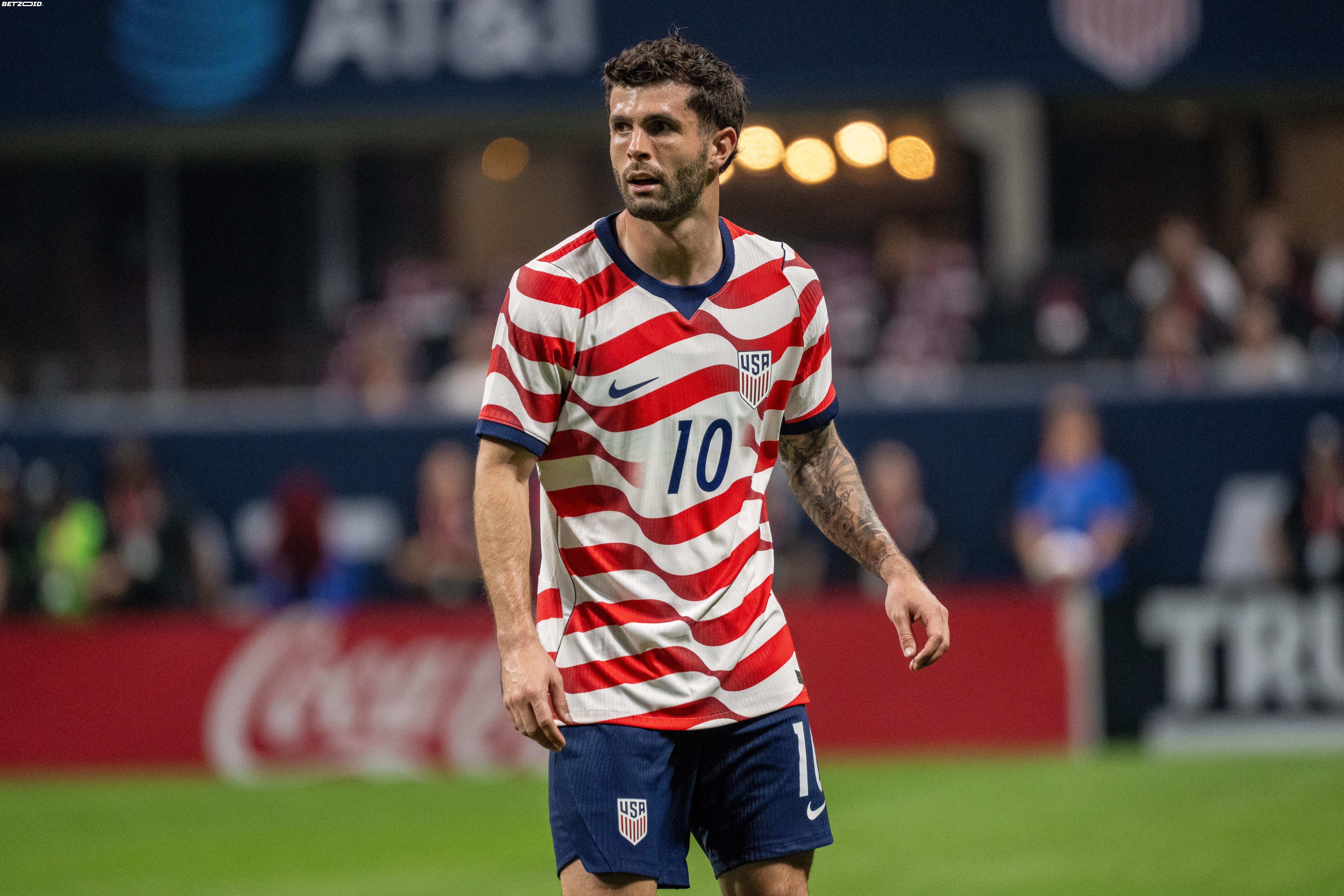
Christian Pulisic isn't shying away from the weight of this summer. He's just decided to carry it differently.
"It's to really cement your legacy as a team, as a player," the AC Milan forward said ahead of the 2026 World Cup, which kicks off on home soil next month. "Doing it on the biggest stage, that's really what it's all about, and that's the opportunity that's in front of us."
The word "opportunity" comes up constantly when Pulisic talks about this tournament. It's deliberate. He's framing the World Cup not as a burden — though it clearly is one — but as the exact moment this generation of American players either justifies its reputation or quietly becomes a cautionary tale about unfulfilled potential.
The most talented USMNT generation with the least to show for it nationally
The club résumés are genuinely striking. Pulisic won the Champions League with Chelsea — first American ever. Weston McKennie built himself into a regular at Juventus. Tim Weah has three Ligue 1 titles. Chris Richards won an FA Cup with Crystal Palace. Malik Tillman set the Bayer Leverkusen transfer record. Sergino Dest came through Ajax, played at Barcelona, and collected three Eredivisie titles along the way.
None of that has translated into anything meaningful for the national team. Not yet.
That gap between individual achievement and collective USMNT identity is exactly what 2026 is supposed to close. Head coach Mauricio Pochettino has even suggested — with apparent sincerity — that the U.S. can win the tournament outright. Whether you believe that or not, a deep run would send American soccer somewhere it has genuinely never been. The USMNT's all-time best World Cup finish is a quarterfinal, reached by beating a CONCACAF opponent. That's the ceiling this group is being asked to blow through.
The betting market on a USMNT semifinal run will tell you the odds are long. A Pochettino-led side still finding its shape, on home turf, with a fanbase that's grown increasingly disillusioned — pressure doesn't get more concentrated than that.
How Pulisic handles it
He's thought about it enough to have an actual answer, not a rehearsed one. "The first step is accepting that it's there. It's nothing to shy away from — everyone feels it, whether they want to admit it or not," Pulisic said. "The way I deal with it is just preparing the best I can. If I feel really prepared and I know I can do it, then I feel comfortable going into it."
That grounded approach matters right now because Pulisic has endured a goal drought across the second half of this season with Milan. He's dismissive of it — "I don't feel that way," he says of the idea that no goals means no contribution — but the timing is awkward. He's walking into the biggest tournament of his life needing a performance that silences the noise.
"I can go in there and have a good performance and people will talk in a different way," he said.
He's right. One World Cup run — a genuine, hearts-in-mouths, deep-into-the-bracket run — would reframe everything. The goal drought, the questions about his consistency at club level, the broader skepticism about whether this USMNT group is actually as good as advertised. It all becomes context instead of criticism.
Or it doesn't happen, and the questions get louder. That's the deal when you host a World Cup.