"The clubs can't leave." Florentino Pérez said that in April 2021 as his European Super League was disintegrating in real time. Four years later, he's apparently still trying to make that stick — with a bill attached.
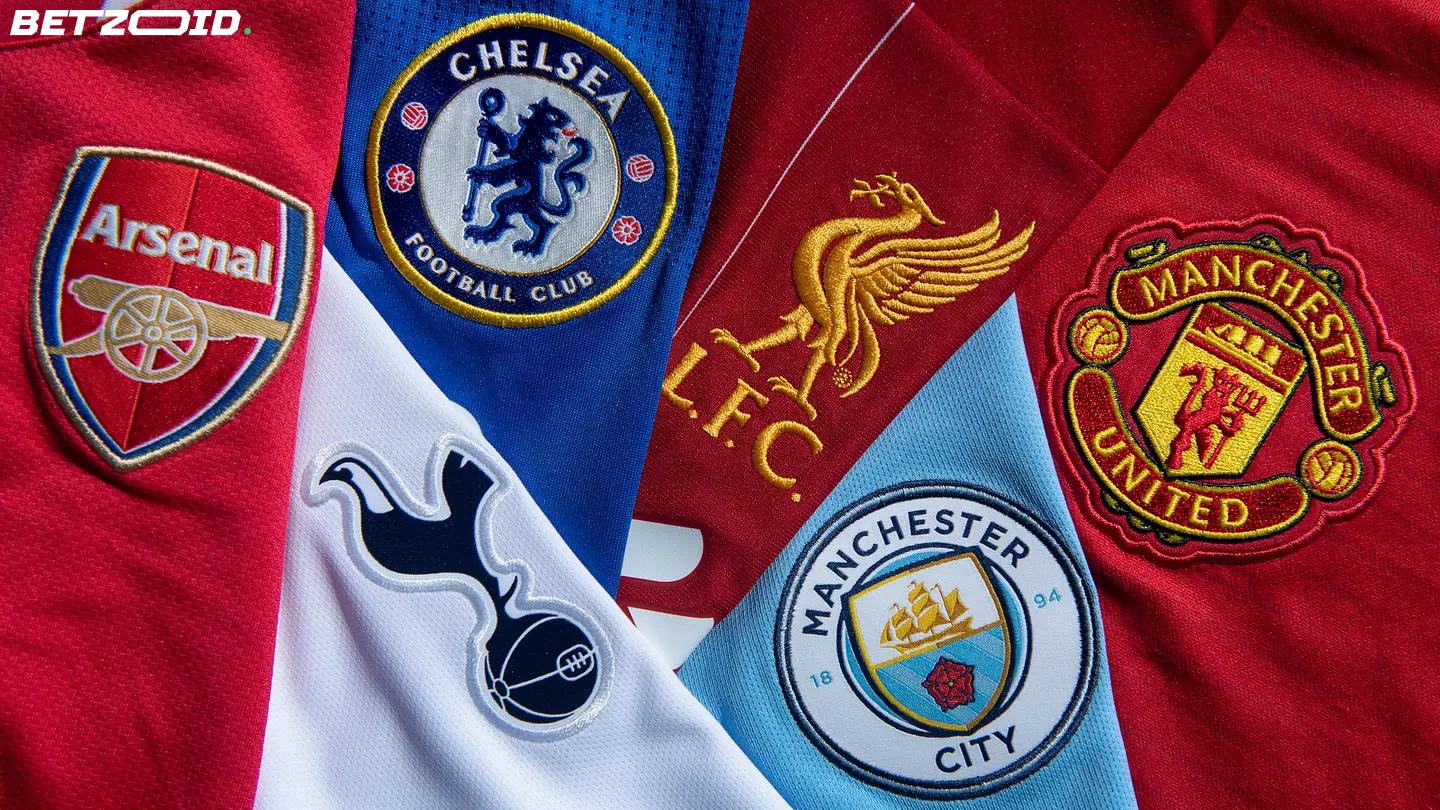
According to The Athletic, Real Madrid are pushing Arsenal, Chelsea, Liverpool, Manchester City, Manchester United and Tottenham to cover their share of the costs involved in launching the failed ESL project. The total figure could hit €80 million ($89.9 million). Split across the 12 founding clubs, that's roughly $7.5 million each.
Madrid's position is straightforward, if not exactly sympathetic: those six English clubs signed a binding 120-page contract, took the money, then bolted within three days of the announcement when the fan backlash hit. All six were gone by April 21, 2021. Juventus hung around until June 2023. Barcelona finally exited in February 2026. Real Madrid only reached an agreement with UEFA on February 11, 2026 — meaning they, along with Barça and Juve, have been carrying the financial weight of this mess ever since.
Is there actually a legal case here?
Possibly. The 12 clubs were shareholders, not just participants. Inter Milan is reportedly the only club to have successfully extricated itself from the contract — which tells you something about how hard it is to get out cleanly.
Whether the remaining clubs are liable depends entirely on the contract's wording around withdrawal clauses. That's a job for expensive lawyers, and both sides can afford plenty of them. But the fact that only Inter got out suggests the legal language isn't particularly forgiving.
The Premier League clubs will almost certainly contest this. Their argument will likely centre on the fact that a contract built around an illegal or unenforceable competition structure is itself unenforceable — a reasonable position, given that UEFA spent years fighting the ESL through European courts.
What this actually means for the clubs involved
For the six Premier League sides, $7.5 million is not a sum that threatens anyone's transfer budget. City and United wouldn't notice it. Even Spurs could absorb it without rescheduling a press conference. The real issue is precedent — and the reputational drag of being seen to have walked away from a legal obligation.
From a purely financial standpoint, the clubs' odds of resolving this quietly through back-channel negotiation are probably higher than the odds of this ending up in open court. Nobody involved wants that kind of publicity again.
Madrid, for their part, struck their UEFA agreement in February 2026 — but clearly didn't tie up the loose ends with the clubs that left them holding the bag in 2021. Pérez always said they couldn't leave. He's still making that argument. Just with a different kind of contract language.