"I played with the military exemption in mind" — not the medal, not the trophy, the exemption. Yang Min-hyeok said that out loud after South Korea's Asian Games gold, and the fallout is still accelerating.
Captain Lee Gi-hyuk made similar remarks about avoiding mandatory service. Two players, two interviews, one very uncomfortable truth about why some athletes treat international football as a fast-track out of the barracks rather than a point of national pride. Politicians noticed. The public noticed. And now the Defense Ministry is moving.
What's actually changing
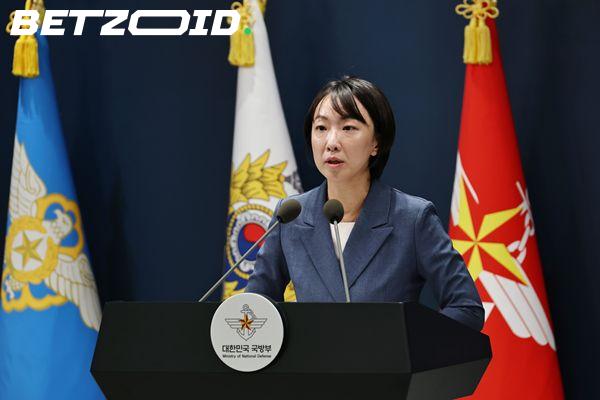
Spokesperson Chung Bin-na confirmed Tuesday that reform of the alternative military service system will be embedded in the ministry's basic defense reform plan. The factors driving it: declining military personnel numbers, public pressure for fairness, and — reading between the lines — two footballers who couldn't keep their reasons to themselves.
The system has long allowed selected artists and athletes to fulfill their mandatory service obligations through their careers rather than conventional military duty. Gold medals at major tournaments, including the Asian Games, have historically triggered exemptions. That arrangement may soon be gone entirely, or at least significantly overhauled.
Chung described military service as "a sacred duty that all members of society should respect and value." That's the kind of language ministries use when they've already made up their minds and are building the public case to act.
What it means for Korean football
The exemption has been a quiet but powerful factor in how Korean clubs and the national team operate. Players approaching military age have had strong incentives to peak for major tournaments — not just for glory, but for the freedom that comes with it. Remove that incentive and the calculus for a generation of Korean footballers changes substantially.
For clubs abroad who have signed or are eyeing young Korean players, military service has always been the lurking variable — the two-year disruption that can derail a career trajectory entirely. If exemptions disappear, that risk becomes a near-certainty for every Korean player without existing exemption status. Transfer valuations and contract structures will feel the knock-on effects.
Yang Min-hyeok and Lee Gi-hyuk didn't just cause a PR crisis. They may have ended a decades-old system — for every Korean athlete who comes after them.