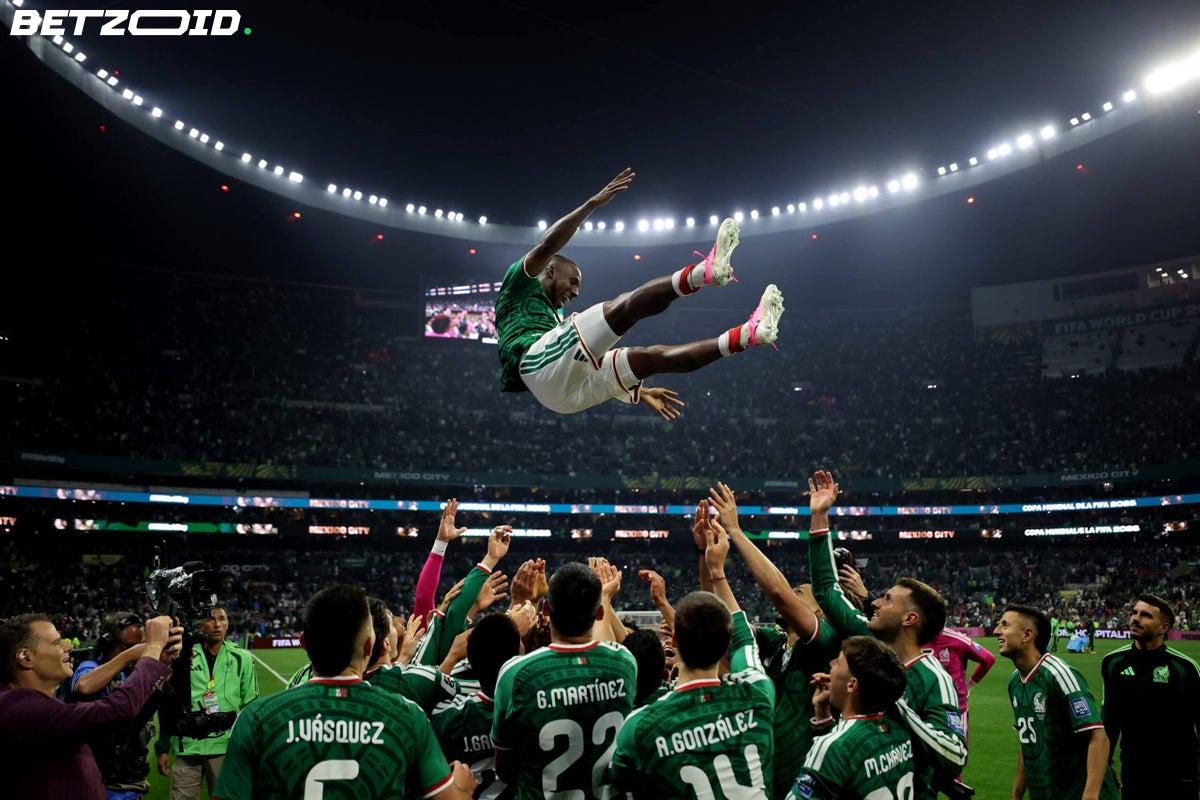
The 2026 World Cup is done. The stadiums are empty, the flags are folded away, and now comes the part where we figure out what actually changed — and what was just noise.
Five things genuinely stuck.
Kids on pitches, adults Googling 'adult soccer leagues'
The most telling sign wasn't in any stadium. It was in the parks. One journalist covering the tournament daily noticed that the kids in her neighbourhood weren't playing football for weeks into the competition — then, somewhere around the quarterfinals, every single one of them was. Every day, without fail.
It sounds small. It isn't. The 1994 World Cup on US soil turned a generation of Americans into football players. This one may have done it again. "Adult soccer league near me" was a breakout Google search during the tournament — which means it wasn't just children who caught the bug.
That's the kind of cultural shift that takes a decade to fully show up in participation numbers, youth academies, and eventually, TV ratings. The sport's growth in America has always been a slow burn. This World Cup threw petrol on it.
Connection in a fractured world
Against a backdrop of border politics, corruption stories, and the usual pre-tournament mess, what actually played out in the stands was something else entirely. Fans from everywhere celebrating together — chosen togetherness, as one writer put it, the deliberate opposite of COVID's forced separation.
The Athletic's Adam Crafton framed it well: "When so much of the online algorithm force-feeds division, the World Cup has presented a new, uplifting form of viral content; unifying, cross-cultural, a reminder, should it be required, that most people actually like one another."
The most-searched meme of the entire tournament was Haaland running. The most-searched chant was the Norwegian row chant. Scottish fans celebrating in Boston made the list. Football, when it works, is genuinely unlike anything else.
What comes next — and why it matters for the game's future
The USMNT's run generated real excitement before their exit. That energy doesn't disappear — it redirects. The US Women's team are already favourites to win the Women's World Cup, and they're arriving into a country that just spent weeks learning to care about international football again. The timing could not be better.
Club football stands to benefit too. MLS now has a genuine question to answer: can it absorb this momentum, or will it let it bleed out the way previous World Cup cycles have? The league has better infrastructure and bigger names than in 1994 or 2014. Whether it has the programming, the broadcast deals, and the storytelling to keep casual converts engaged is another matter entirely.
- Most-searched player: Vozinha
- Most-searched goal: Cabo Verde
- Most viral moment: Haaland's running celebration
- Most searched trend: John Denver's Country Roads (Norway's anthem of the tournament)
- Most rewatched match: Norway vs. England
And then there's the star power. Messi's legacy as the greatest of all time is no longer a debate worth having — this tournament closed it. Lamine Yamal, Bellingham, Mbappé, Haaland: the next generation didn't just show up, they delivered in front of the largest audiences of their careers. That matters for club football's commercial picture, for kit sales, for broadcast deals, for everything.
The 2026 World Cup didn't just crown a champion. It handed football in America a window it hasn't had since 1994. Whether anyone is organised enough to climb through it is the real story of the next four years.