The 2026 World Cup lands on American soil without a single recognizable American name attached to it. That's the problem nobody in a suit has managed to fix — and now it falls entirely on the players.
FIFA president Gianni Infantino spent the better part of two years trying to sell this tournament. He appeared in the Oval Office alongside Donald Trump. He handed out a 'Peace Prize' two months before the U.S. and Israel launched strikes on Iran. He made grand, exaggerated promises about the "biggest, safest and most extraordinary" tournament in history. It didn't work. The American public clocked the self-interest and moved on.
What's filled the void instead? Ticket prices. Hotel gouging. Visa denials. Water bottle bans. The public face of this World Cup, three days from kickoff, is unvarnished capitalism and political theatre. That's where things stand.
No Rothenberg, no plan — just the players
In 1994, when the men's World Cup last came to the United States, a California lawyer named Alan Rothenberg ran the show. He controlled the messaging, kept tickets accessible, made himself visible, and made sure the tournament left a lasting mark on American soccer. The 2026 edition has no equivalent. FIFA rewrote the operating model, locked U.S. Soccer into one-sided contracts, and effectively sidelined the national federation. There's no coherent domestic voice driving the narrative.
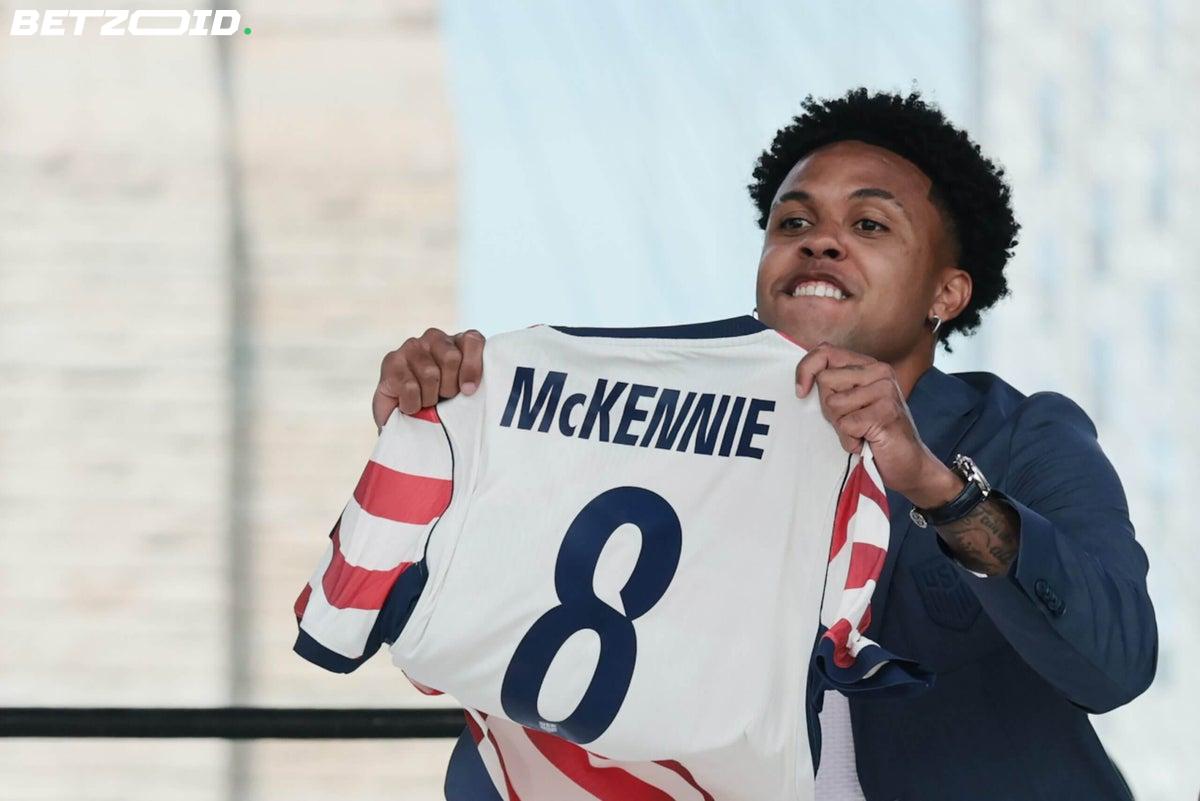
That means Christian Pulisic, Tyler Adams and Weston McKennie are carrying something far heavier than a group-stage opener against Paraguay. They're carrying the entire American identity of this tournament.
Pulisic is on the billboards. He's in the Fox promos. But he's an introvert with a measured personality, and the average sports fan still can't place him. The pedestal is genuinely empty. Much of America will meet this squad for the first time this month, and whoever scores the decisive goal, makes the meme, or delivers the defining moment gets to put their face on the whole thing.
Any player can claim the moment
The USMNT adopted a mission back in 2023: "Change soccer in America forever." Three years on, that hasn't happened yet. The 2026 World Cup is the deadline.
It could be Pulisic finally stepping out of his shell on the sport's biggest stage. It could be Adams, the combative former captain, winning a midfield battle that swings a knockout game. It could be Weston McKennie, who has a habit of showing up when the occasion demands it. Or it could be Folarin Balogun, Sergiño Dest, Antonee Robinson, Ricardo Pepi — anyone with a goal, a personality, or a story that catches fire.
Landon Donovan's stoppage-time winner against Algeria in 2010 is still the defining image of American soccer. John Brooks, a backup defender, headed in the winner against Ghana in 2014 and became an overnight legend. Neither of them was the obvious candidate beforehand.
That's the thing about World Cups. The tournament doesn't care about your pre-tournament billing. It just needs someone willing to take the moment. Right now, that someone doesn't exist yet — and the opening whistle against Paraguay is three days away.