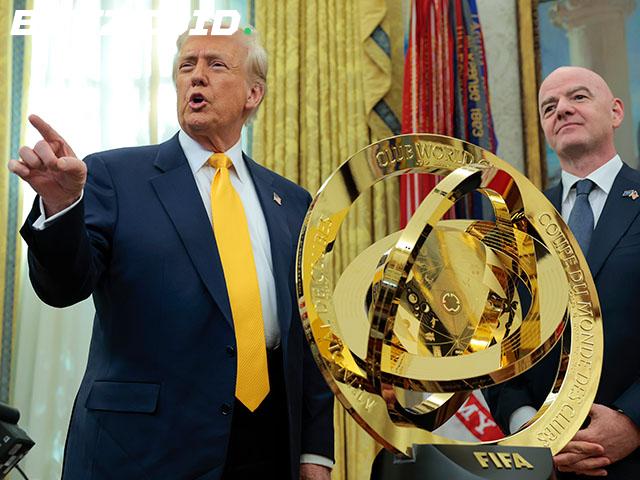
Washington D.C. is getting a full-scale FIFA World Cup fan zone on the National Mall, free to attend, running from June 11 through July 19, 2026. That's five weeks of live match viewing, food, music, and cultural programming sitting between America's most recognizable monuments.
The event is organised by Freedom 250, a public-private partnership tied to the United States' 250th anniversary celebrations. FIFA President Gianni Infantino framed it plainly: "We are proud to bring the celebration of the world's game to the National Mall." Given the tournament's expansion to 48 teams and the sheer volume of games spread across American cities, having a dedicated hub in the capital makes sense. D.C. isn't actually a World Cup host city, so this fills a real gap.
What to expect and when
The fan zone sits between 3rd and 4th Street on the National Mall. General admission is free, with registration available for those who want to plan ahead. It opens one hour before the first match of the day and closes an hour after the last.
There are some scheduling rules worth knowing. During the group stage — June 11 through June 27 — matches starting after 7 p.m. Eastern won't be screened. The exception: every United States match gets shown regardless of kick-off time. From June 28 onward through the knockout rounds, all matches are shown. July 4 gets a midnight close, which is exactly the kind of detail that will matter to anyone planning around the holiday.
- Opening day: June 11, 2 p.m. – 6 p.m. (3 p.m. match)
- USA vs. opponent: June 12 at 9 p.m., June 19 at 3 p.m.
- July 4 matches: 1 p.m. and 5 p.m., site open until midnight
- Closed: July 8, 12, 13, 16, 17
- Bronze final: July 18, 4 p.m. – 8 p.m.
- World Cup Final: July 19, 2 p.m. – 6 p.m.
Why this matters beyond the atmosphere
Fan zones at major tournaments have a direct effect on how cities experience the competition — and how much money flows into local economies around match days. For a tournament spread across 16 cities, centralised viewing hubs like this one shape the betting and commercial landscape too. Higher footfall, more casual engagement with the tournament, and a bigger domestic audience all push overall handle upward on U.S.-hosted matches.
Freedom 250 CEO Keith Krach said the zone will be "a place where people from every corner of the globe come together through sport, freedom, and shared human experience in the shadow of America's most iconic monuments." Strip away the anniversary rhetoric and the core offer is straightforward: a free place to watch the World Cup in one of the world's most visited cities, steps from the Lincoln Memorial and the Capitol. That sells itself.