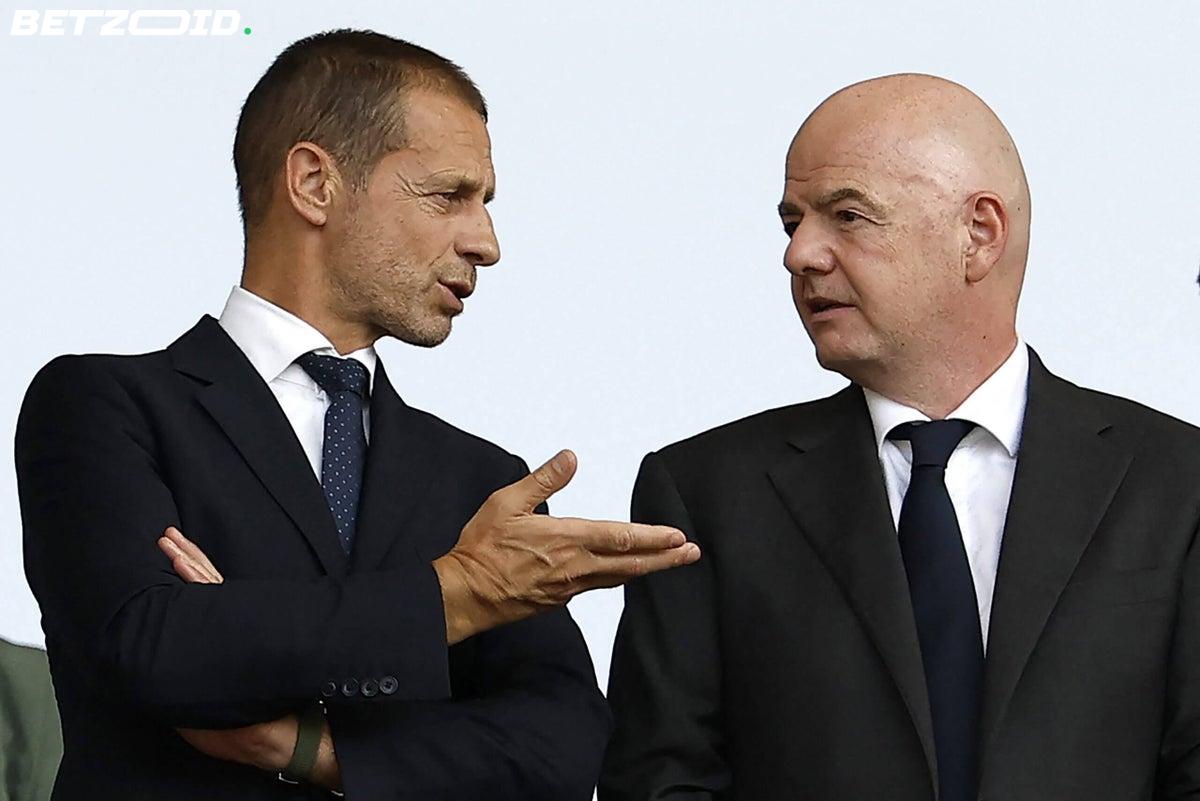
Several European football associations are worried that competing in the 2026 World Cup could actually cost them money. UEFA has now taken that concern directly to FIFA.
According to multiple sources close to the conversations, UEFA has been asked by member associations to pressure FIFA into increasing prize money and broader financial support ahead of this summer's tournament in the United States, Canada and Mexico. It's an awkward ask when FIFA president Gianni Infantino has publicly projected the competition will generate over $11 billion for his organisation.
That gap — between FIFA's record revenues and the anxiety among competing federations — is the story here.
The cost problem is real
FIFA has already raised prize money by 50 per cent to $655m, up from $440m at Qatar 2022. Winners will pocket $50m. Every nation that exits in the group stage gets $9m, or $10.5m when the $1.5m preparation fund is included. On paper, that sounds like progress.
In practice, the numbers get complicated fast. The tournament has expanded from 32 to 48 teams, so that prize pot is being spread thinner. And the United States is an expensive place to run a football operation. One federation received quotes of between $25,000 and $50,000 per day just for a pre-tournament training facility — before internal travel, accommodation, or player bonus payments are factored in.
FIFA covers board and lodging contributions for delegations of up to 50 people, plus business-class flights between venues and base camps, training site rental, and ground travel for teams. Most serious contenders will travel with parties well above 55 people once players, backroom staff, officials and guests are counted. Anything beyond that 50-person threshold? The associations pay it themselves.
Then there's tax. State taxes in the U.S. vary sharply — California and New Jersey (host of the final at MetLife Stadium) rank among the highest, while Florida and Texas charge none. A team that draws games across high-tax states could face a significantly larger bill than one that doesn't. The luck of the draw, literally, affects the bottom line. One scenario being explored is whether FIFA could top up support for associations playing more often in expensive states — but nothing is confirmed.
Vancouver is where this gets settled
The matter is due to be discussed behind closed doors at the FIFA Congress in Vancouver at the end of May. FIFA hasn't commented publicly, but sources say the organisation is working on potential solutions with participating associations.
For associations that fall short of the quarter-finals, the financial picture is genuinely tight. A group-stage exit nets $10.5m total. Against the cost of a full delegation, pre-tournament camps, player bonuses, insurance, and the tax exposure of playing in California or New Jersey, that margin can disappear quickly. Some sources at national associations say it could go negative.
FIFA has committed to returning at least 90 per cent of its budgeted World Cup cycle investments back into global football — but federations have been told very little about how or when that distribution actually works. In the meantime, they're being asked to absorb costs now against revenues that may or may not materialise later.
Infantino keeps citing the $11 billion figure. The associations are simply asking for a larger cut of it.