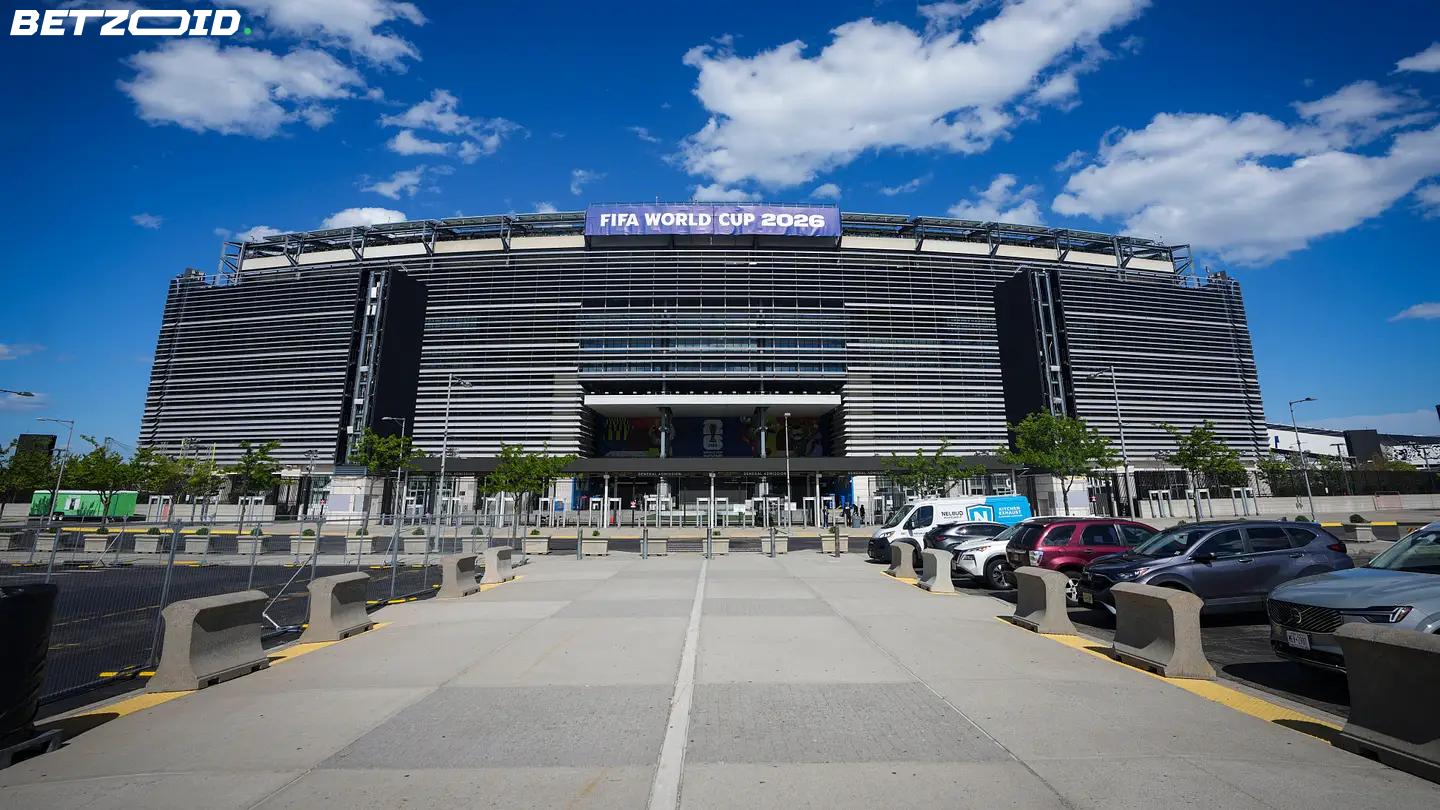
"The pitch... I don't even know if you can call it that. It felt more like an artificial surface — quite hard and quite rigid." That's France midfielder Adrien Rabiot, and he's not alone.
MetLife Stadium, already notorious among NFL players for its injury record, is now drawing fire from World Cup footballers too. The venue installed temporary grass fields as part of its FIFA hosting agreement, but the reception from players has been far from glowing. Brazil's Vinicius Junior put it plainly: "In the second half, with the heat, the pitch dries out very quickly. The game becomes very sluggish, and we can't get into our rhythm."
When the star of Brazil's attack and a key France midfielder are both complaining about the surface unprompted, you're not dealing with a couple of fussy professionals. Something is genuinely wrong with this pitch.
The NFL's injury list is a warning that wasn't heeded
The grass field laid down for the World Cup sits over MetLife's existing artificial base — and nobody seems entirely sure whether that base is concrete or dirt. What players do know is that it plays hard. That matches exactly what NFL players have been saying for years.
According to a report by the Sidwell Health Organization, at least 16 players have suffered serious injuries on MetLife's artificial surface. The list includes Nick Bosa, Aaron Rodgers, Jabrill Peppers, Wan'Dale Robinson, and Sterling Shepard — most of them ACL or Achilles tears. Giants receiver Malik Nabers became the latest, tearing both his ACL and meniscus in a Week 4 home game this season.
Odell Beckham Jr., who fractured his ankle on the same turf, has been particularly vocal — calling the venue "Deathlife" on social media and demanding the NFL eliminate artificial surfaces entirely. Hard to argue with the man's point when the evidence keeps piling up.
Why MetLife can't just fix it
The stadium's problem is structural, not cosmetic. MetLife hosts two NFL franchises, college games, major concerts, and now international football tournaments. That volume of use makes a permanent grass surface almost impossible to maintain, particularly in the northeast's climate. The Giants tried it once before — back in 1999-2000 at the old Giants Stadium, using interlocking grass trays laid over the artificial surface. The experiment lasted one season before maintenance costs and weather killed it.
Once the World Cup final wraps next month, the temporary grass comes up and MetLife returns to its FieldTurf Core surface, which has been in place since 2023. The footballers will be gone. The NFL players will be back. And the injury risk goes with them.
Any team playing home games at MetLife carries a surface-related injury premium that the market doesn't always price correctly — the Giants and Jets both absorb that risk every single season. That's not a footnote. That's a structural disadvantage built into their schedule.
Sixteen serious injuries. Multiple All-Pro careers derailed. And a World Cup that's highlighted the same complaints from an entirely different sport. MetLife's surface problem isn't a controversy. It's a pattern.