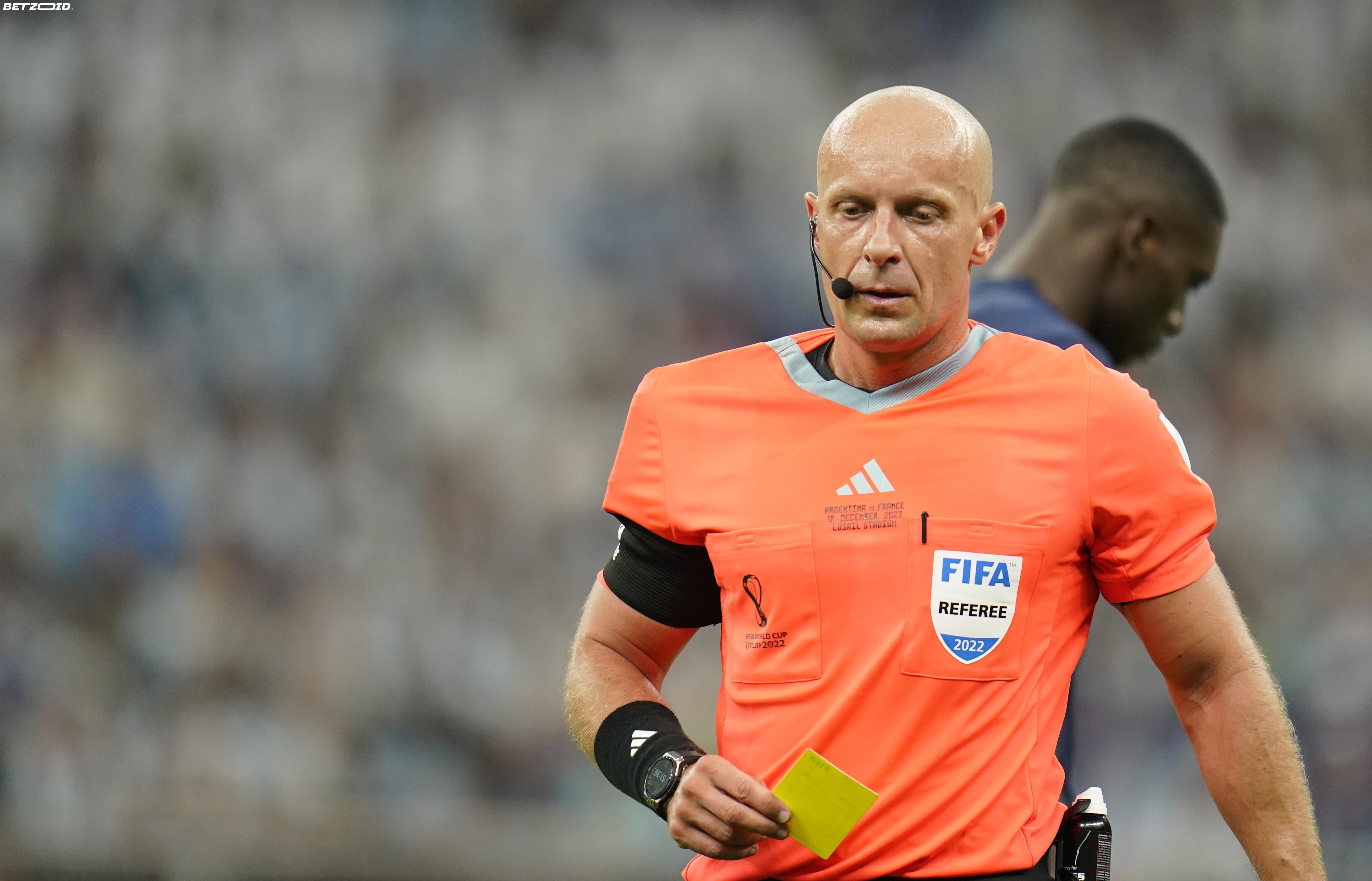
IFAB has decided the 2026 World Cup is the place to tear up the rulebook — or at least mark it up heavily. A slate of new regulations is coming into force in North America, and some of them will fundamentally change what you're watching on the pitch.
Most of it is aimed at one thing: killing the dark arts. Time-wasting, tactical injuries, deliberate fouling before corners, walking off in protest — the lawmakers have had enough. Whether referees will actually enforce all of this consistently across 104 matches is another question entirely, but the intent is clear.
Here's what's changing, and why it matters.
The rules that will actually affect games
The biggest shift is VAR at corners. Previously, any foul committed before the ball was put in play — shirt-pulling, blocking runs, the usual penalty-box wrestling match — was essentially invisible to the video official. That loophole is closed. VAR can now intervene on fouls that occur before a corner is delivered, leading to a retake or disciplinary action. Given how much the modern game leans on set-piece routines, this one will come up. A lot. Any team whose World Cup strategy is built around aggressive corner-marking just had their odds recalibrated.
The 10-second substitution rule is the one that's already drawn blood. In a pre-tournament friendly, Iceland's Kristian Hlynsson took too long to leave the field, his side were forced to play a man down, and Japan scored the only goal of the match in that window. Sixty seconds short-handed, one goal, match over. The rule has teeth. Substituted players must exit to the nearest perimeter within 10 seconds or the incoming player is held until the next stoppage at least a minute later.
- Five-second throw-in limit: Once a throw-in is awarded, the assistant referee begins counting. Miss the window, possession switches to the opponent.
- Five-second goal kick limit: Goalkeepers dragging their feet on restarts will now concede a corner if the referee decides they've stalled. Referees will signal the countdown visibly so there's no excuse.
- Medical timeouts banned as tactical tools: Teams will no longer be allowed to congregate around the technical area when a goalkeeper is down injured. Players cannot leave the field for a de facto coaching session. Collina was direct: "The goalkeeper has the right to be injured, but the players do not have the right to leave the field of play to have some sort of time out with their respective coaches."
- Players receiving on-field treatment must stay off for at least one minute after play restarts — with exceptions for goalkeepers, head injuries, and penalty situations.
The red card rules that could define moments
Covering your mouth during a confrontation is now an automatic red card. This came directly out of the Gianluca Prestianni and Vinicius Jr incident in the Champions League, where an alleged racial slur couldn't be verified because Prestianni had concealed his mouth from cameras. He was later found to have used homophobic language and banned for six games. FIFA isn't waiting for the next controversy — any player caught shielding their mouth in a confrontational moment is gone.
Walking off the pitch in protest earns an instant red card. If an entire team leaves, they forfeit the match. That rule exists because of the 2025 Africa Cup of Nations final, where Senegal spent 25 minutes in the dressing room after a disputed penalty, returned to win in extra time, and then had the title stripped by the African confederation anyway. The new rule removes any ambiguity about what happens next time.
VAR can now also intervene in second-yellow situations — but only in narrow circumstances. Mistaken identity, or a clear and obvious error in issuing the card. It cannot flag cases where a second yellow should have been shown but wasn't. A limited expansion, but one that could spare a player an unjust dismissal in a knockout game.
Collina acknowledged the referee community doesn't yet have agreed sanctions for all of these scenarios: "I'm afraid we didn't get a shared solution... for this season, IFAB didn't take any decision. Certainly something will be done in the future." That's not exactly a ringing endorsement of enforcement consistency — but the rules are on the books, and the World Cup stage means every decision will be scrutinized frame by frame.