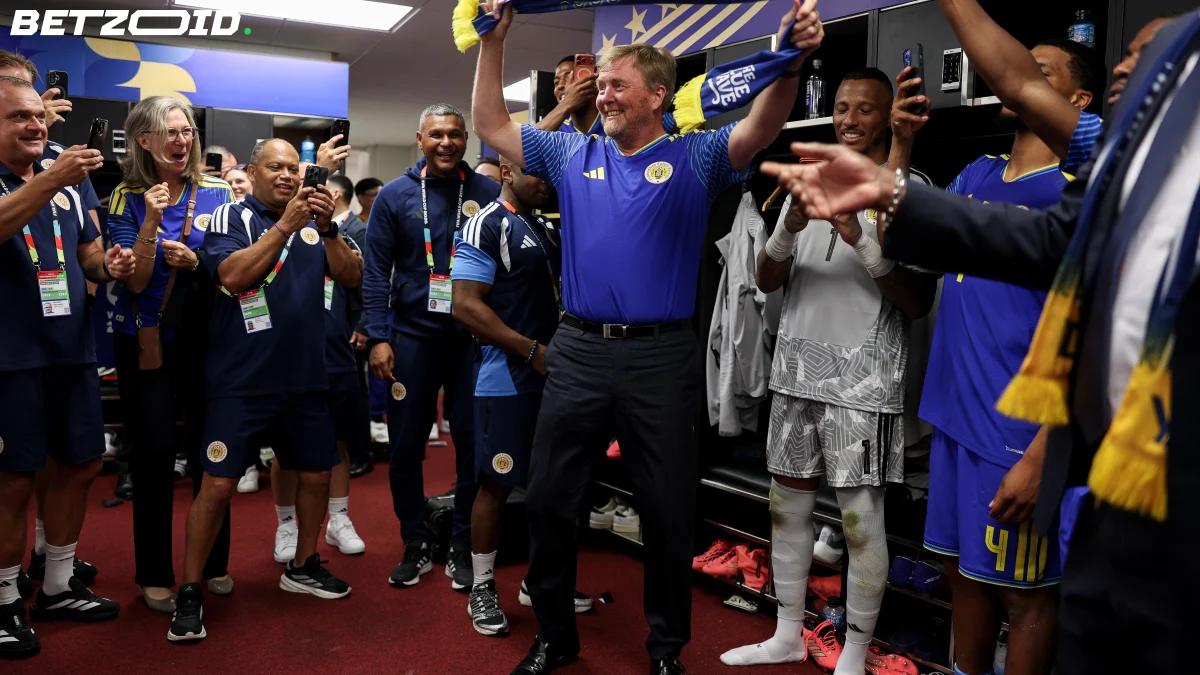
The 2026 World Cup's best moments aren't coming from the favourites. They're coming from a 156,000-person island nation celebrating a 0-0 draw like a championship, a 40-year-old goalkeeper with 15 million new Instagram followers, and a team that left a handwritten thank-you note in a Los Angeles locker room before driving back to Tijuana.
The big nations will fight over the trophy in July. Right now, the tournament belongs to everyone else.
Curaçao, Cape Verde, and the art of celebrating a draw
Start with Curaçao. Six days after a 7-1 demolition by Germany — which, to be fair, is what happens when the smallest nation in World Cup history meets one of its heavyweights — they faced Ecuador and held on for a 0-0 draw. Ecuador had nearly 30 shots and over three expected goals. Goalkeeper Eloy Room made 15 saves. The final whistle brought street celebrations in Willemstad as though they'd won the thing outright.
They hadn't scored. They'd earned one point. For a country of 156,000 people playing in their first-ever World Cup, that point was the whole story.
Cape Verde took a different route to the same kind of joy. The Blue Sharks held Spain to a 0-0 in their World Cup debut, then drew 2-2 with Uruguay — Kevin Pina scoring the country's first-ever World Cup goal from 31 meters out, Hélio Varela coming off the bench to equalise. Four points from two games in their first tournament. That's not a fluke result. That's a team that belongs here.
Their goalkeeper Vozinha, 40 years old, went from 50,000 Instagram followers to over 15 million after the Spain game. He was crying at full-time — not from joy alone, but because his mother couldn't afford the visa to attend. She made it to the Uruguay match in Miami after help from the State Department and House Minority Leader Hakeem Jeffries. Cape Verde still have Saudi Arabia to play, and a spot in the final 32 is genuinely within reach. Whatever happens, this team has already pulled off something most nations never will.
Iran's note, Egypt's 92 years, and the rest
Iran's most-shared moment from their 0-0 draw with Belgium at SoFi Stadium wasn't a save or a tackle. It was a handwritten note left in the dressing room, thanking Los Angeles and the Iranian fans who gave their "heart, voice and soul." The team had been based in Tijuana because of entry restrictions, arrived the night before the match, played at midday, and were expected to leave that evening. "We came to Los Angeles with pride, competed with honour, and leave with dignity." That line lands differently when you know the circumstances.
Uzbekistan lost 3-1 to Colombia on their World Cup debut, but they made history as the first Central Asian nation to appear at the tournament — and scored their first-ever goal in the process. A loss, yes. Also a milestone that took decades to reach.
Haiti are back after a 52-year absence, having qualified despite playing every single qualifying match away from home. For Haitian supporters, this World Cup is a chance for the country to be seen through football and pride rather than the crisis coverage that dominates international attention. That context matters.
And then there's Egypt — not an underdog by population or football history, but a team that waited 92 years for its first World Cup victory. Mo Salah helped deliver it: a 3-1 win over New Zealand, with celebrations running through Vancouver and through Cairo at 6 a.m. local time. Ninety-two years is a long time to wait for one result. When it came, people didn't care what hour it was.
The group stage isn't finished. More of these stories are still being written. But right now, the 2026 World Cup's defining image isn't a superstar lifting silverware — it's Eloy Room diving across his goalline for the fifteenth time, trying to keep a small island nation's dream alive for another ninety minutes.