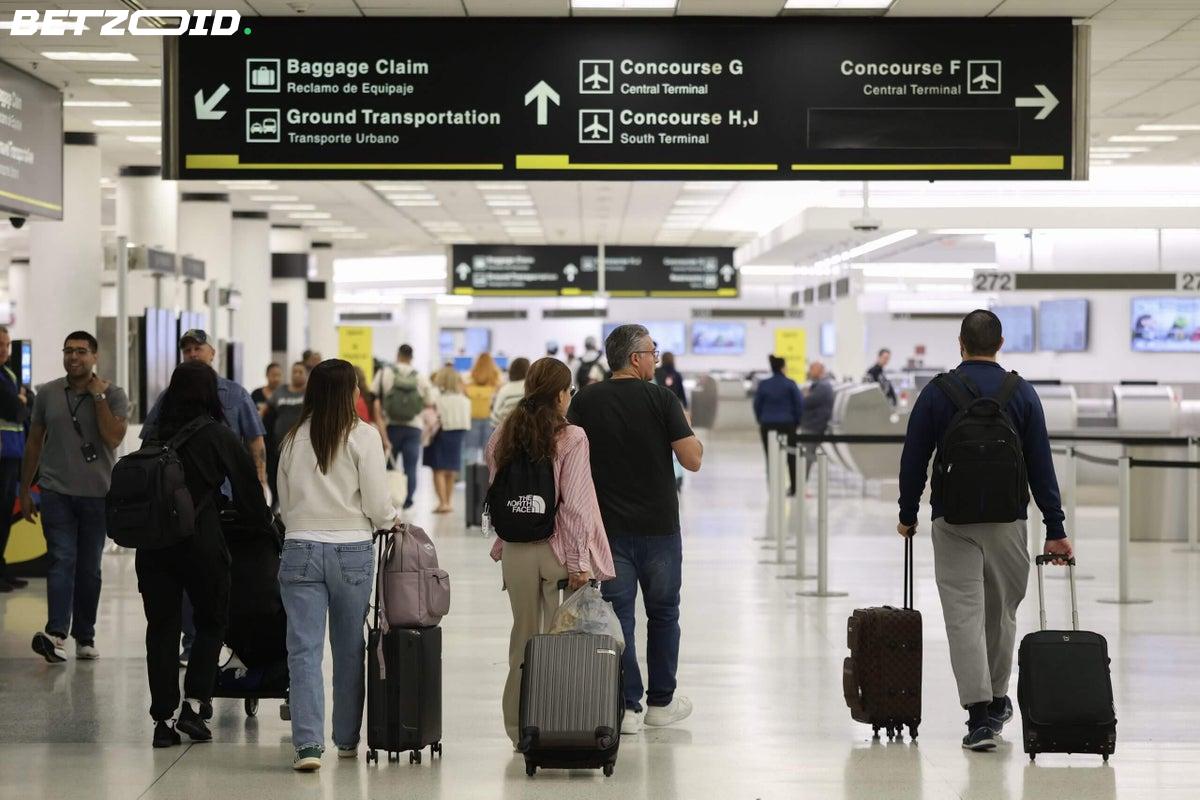
"A ticket is not a visa and it doesn't guarantee admission to the U.S." That's U.S. Secretary of State Marco Rubio's blunt summary of where things stand — and it tells you everything about the chaos that's been building around the 2026 World Cup before a ball has even been kicked.
A FIFA-backed referee from Somalia was denied entry. Iran relocated its entire base camp from the U.S. to Mexico. Fans from four qualified nations are dealing with travel bans that have no World Cup exemptions for supporters, only players. This isn't a minor administrative headache. It's the defining off-field story of this tournament.
Who is actually affected — and how badly
The travel ban picture is the sharpest part of this. The Trump administration's restrictions hit nationals from Senegal, Ivory Coast, Iran, and Haiti — all of whom qualified for the tournament. The December proclamation doesn't just complicate things for those fans; it suspends their entry as non-immigrants outright, covering exactly the tourist category you'd need to attend a football match.
Senegal and Ivory Coast each play two group games on U.S. soil. Iran and Haiti's entire group-stage schedule is in the U.S. Their own fans may be legally unable to watch them in person.
Players are cleared. Nobody else is guaranteed anything.
Then there's the visa bond program — a Trump administration policy requiring nationals from 50 countries to post bonds of $5,000, $10,000, or $15,000 per person just to be granted a tourist visa. A parent traveling with two children would need to cover three separate payments. Algeria, Cape Verde, Senegal, Ivory Coast, and Tunisia all had qualifying nations caught in this net. The State Department eventually waived bonds for ticket holders who opted into the FIFA Pass system before April 15 — but that cut-off matters enormously. Many fans may have already been priced out or scared off before the waiver was ever announced.
What FIFA Pass does — and doesn't do
FIFA's answer to the visa backlog is the FIFA Pass, an expedited pathway that helps fans with match tickets secure faster visa interview appointments — within six to eight weeks, according to Rubio. The system doesn't change the vetting process itself. Background checks, security clearances, questioning — all the same. You just get to the front of the queue faster.
For fans from Visa Waiver Program countries, none of this matters much. For everyone else, it's a partial fix wrapped in bureaucracy, with a hard deadline that excluded a significant chunk of the people it was supposed to help.
FIFA president Gianni Infantino, speaking on the eve of the tournament, said he had no regrets about the U.S. co-hosting. On Somali referee Omar Artan being denied entry, he offered: "It is unfortunate what happened to Omar... but again, we don't control everything." He also acknowledged that "you cannot organize an event of such magnitude in a perfect way."
- Passport holders from Canada and Bermuda need no additional authorization
- Citizens of 42 countries in the Visa Waiver Program can apply for ESTA online
- All other nationalities require a valid U.S. visitor visa to attend
- FIFA Pass expedites interview access but doesn't alter vetting standards
- Visa bonds have been waived only for FIFA Pass opt-ins before April 15
- Travel bans on Senegal, Ivory Coast, Iran, and Haiti carry no blanket fan exemptions
This is largely an American problem — Mexico and Canada operate their own independent visa processes, and the Qatar 2022 model of a single Hayya card granting entry was never on the table here. Three host nations means three entirely separate bureaucracies, and the U.S. piece has dominated the conversation for months.
Vice President JD Vance put it plainly in May: "We want them to come. We want them to celebrate. We want them to watch the game. But when the time is up, they'll have to go home." Whether getting here in the first place was ever fully resolved is a different question.