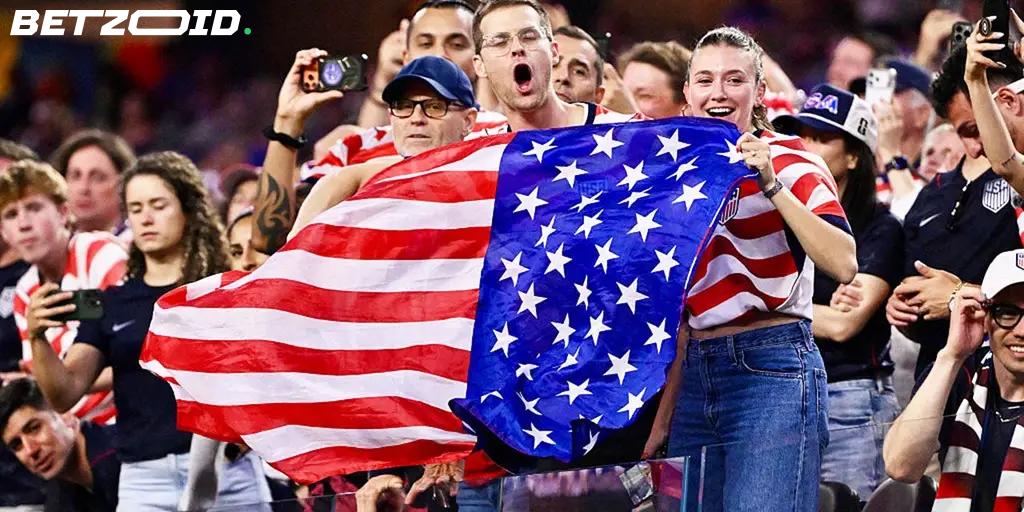
American soccer finally got what it wanted. The bars are full, the flags are out, and the USMNT is favored to advance past Bosnia and Herzegovina in the Round of 32 on home soil. This is the dream scenario the sport spent decades chasing in the United States.
So naturally, some of the people who begged for this moment are furious it arrived.
The pattern is identical to what the WNBA lived through when Caitlin Clark showed up. For years, the league asked for more fans, more coverage, more casual viewers. Clark delivered all three simultaneously — Iowa fans, gamblers, men, women, families, sports debate shows. She handed the WNBA the mainstream attention it had been requesting for over two decades.
And a significant chunk of the league's media orbit treated it like a contamination event.
The same instinct, a different sport
The Guardian set the tone early with a piece framing Fox's broadcast style as a cultural threat, labeling analyst Alexi Lalas a "MAGA hack" and defining American soccer's true audience as "migrants, urban liberals" and people "too scrawny" for other American sports. USA Today declared the United States had "already lost" the World Cup because of "greed and hostility." The Independent ran a piece headlined "Are you rooting against the US at the World Cup? You're not alone."
This is gatekeeping dressed up as criticism. The subtext is always the same: the wrong people showed up, and someone needs to say something.
The WNBA version of this reached its low point when a commentator declared the league "would be better off without Caitlin Clark" — a take so detached from reality it almost functions as satire. But it came from the same place as every think-piece questioning whether new World Cup fans are really soccer fans, or whether they understand the culture, or whether their enthusiasm is the right kind.
Mainstream popularity doesn't come with a guest list
Here's the thing about reaching a mass audience: you don't get to curate it. The NFL doesn't screen its fan base. College football doesn't check credentials at the gate. When the US hockey team won Olympic gold, nobody wrote columns questioning whether the new fans appreciated the game properly. They just watched the sport grow and accepted it as a win.
American soccer is facing the same test right now, on the biggest stage it has ever had on home soil. Casual fans will be watching who don't know the offside rule. Some will call it soccer. Some will only care because it's the United States. Some vote Republican and watch Fox News.
That's what mainstream looks like. It's loud, tribal, and impossible to control — which is exactly why gatekeepers hate it.
The USMNT's World Cup run could turn millions of casual viewers into genuine long-term fans. That's how sports grow. The Caitlin Clark effect proved there was a latent audience for women's basketball waiting for the right catalyst. This World Cup could do the same for soccer in America — if the people who claimed to want it can get out of the way long enough to let it happen.