"It feels like an event for the rich now. It would cost $2,000 for me to go to a group stage match with my wife and two kids." That's Kyle from Atlanta, speaking to The Guardian — and he's not alone in that frustration. While FIFA is billing the 2026 World Cup as a celebration of football across North America, a growing number of locals are watching the hype from a distance they can't afford to close.
That tension sits at the heart of Atlanta's World Cup story. The city is getting a genuine tournament — eight matches including a semifinal on July 15 — hosted at one of the most technically impressive stadiums on the continent. And yet the excitement that made the 1994 World Cup transformative for a generation of American football fans feels harder to replicate when group stage tickets start at $200 and premium seats push toward $3,000.
What's actually happening at Atlanta Stadium
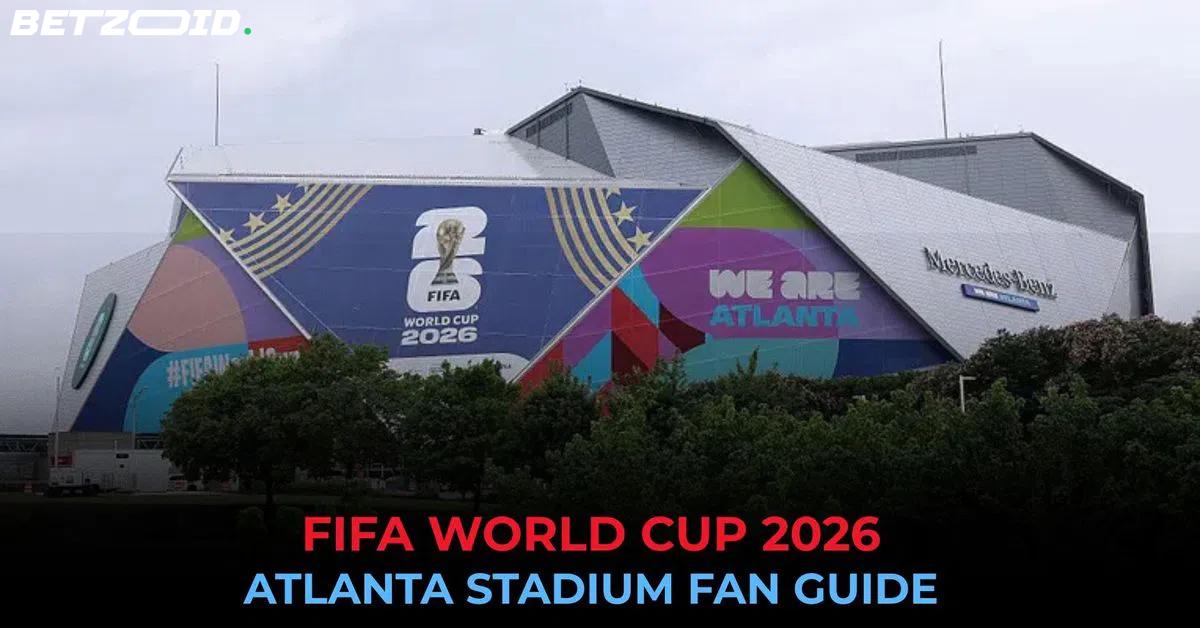
Outside FIFA tournaments, everyone calls it Mercedes-Benz Stadium. During the World Cup, it's officially Atlanta Stadium — FIFA's commercial naming rules in full effect, though the giant Mercedes logo on the roof stays put. Removing it risked damaging the retractable roof structure, so FIFA quietly made an exception. A $1.6 billion venue opened in 2018, home to the Atlanta Falcons and Atlanta United, regularly packing in close to 80,000 for big events.
The group stage fixtures confirmed for Atlanta include Spain vs Cape Verde (June 15), Czechia vs South Africa (June 18), Spain vs Saudi Arabia (June 21), Morocco vs Haiti (June 24), and DR Congo vs Uzbekistan (June 27). A Round of 16 tie follows on July 7, then the semifinal on July 15. Spain's double appearance alone makes Atlanta one of the more high-profile host cities in the United States leg of the tournament.
For the World Cup, FIFA mandates natural grass — a significant challenge in a fully enclosed, air-conditioned stadium that normally runs synthetic turf. Stadium operators have spent two years testing grass-growing systems inside the venue. Earlier attempts at temporary grass installations during international events drew criticism. Whether two years of prep work translates into quality playing surfaces remains the key question for anyone with money on Spain's early performances.
The fan experience beyond the stadium
For those without match tickets, Atlanta has options. The official FIFA Fan Festival runs at Centennial Olympic Park on approximately 20 tournament days, offering live screenings and free entry (though paid passes may be required at peak demand). Decatur Square, District Atlanta near the stadium, and spots along the Atlanta BeltLine are all expected to host watch parties and screenings.
Getting around is straightforward. MARTA trains run every five minutes from early morning to late night, with multiple stations within walking distance of the venue. A one-way fare costs $2.50. Given the traffic Atlanta generates on a normal NFL Sunday, the rail network is the obvious call on matchdays.
- Sports bars worth knowing: STATS Brewpub, Fado Irish Pub, Brewhouse Cafe, Der Biergarten, Hudson Grille, SweetWater Brewing
- Pre-match areas: Atlanta BeltLine and Ponce City Market for rooftop cafés and breweries
- World Cup Final watch party: Yeppa & Co. in Buckhead is planning an outdoor fan zone for the July 19 final in New Jersey
- Attractions to book early: World of Coca-Cola, Georgia Aquarium — high demand expected on non-match days (July 8, 12, 13, 16, 17)
Inside the stadium itself, Atlanta has a genuine reputation for affordable concessions — J.R. Crickets, Williamson Bros. BBQ, Farm Burger among the options — which makes a day at the venue marginally less punishing on the wallet than the ticket price suggests.
For Indian supporters considering the trip, travel packages through sports hospitality companies are running between ₹7 lakh and ₹9 lakh per person for a six-day group stage visit, with premium hospitality for marquee games reaching $10,000 per ticket and final packages exceeding $60,000 all-in. The contrast with Qatar 2022 — where the two furthest venues were under 100km apart — is stark. Host cities in this tournament can be 4,500km from each other.
Kyle's closing thought carries more weight than FIFA's promotional material: "I hope my kids and the city could experience that excitement" — past tense, conditional. That's not apathy. That's a fan who wanted in and got priced out.