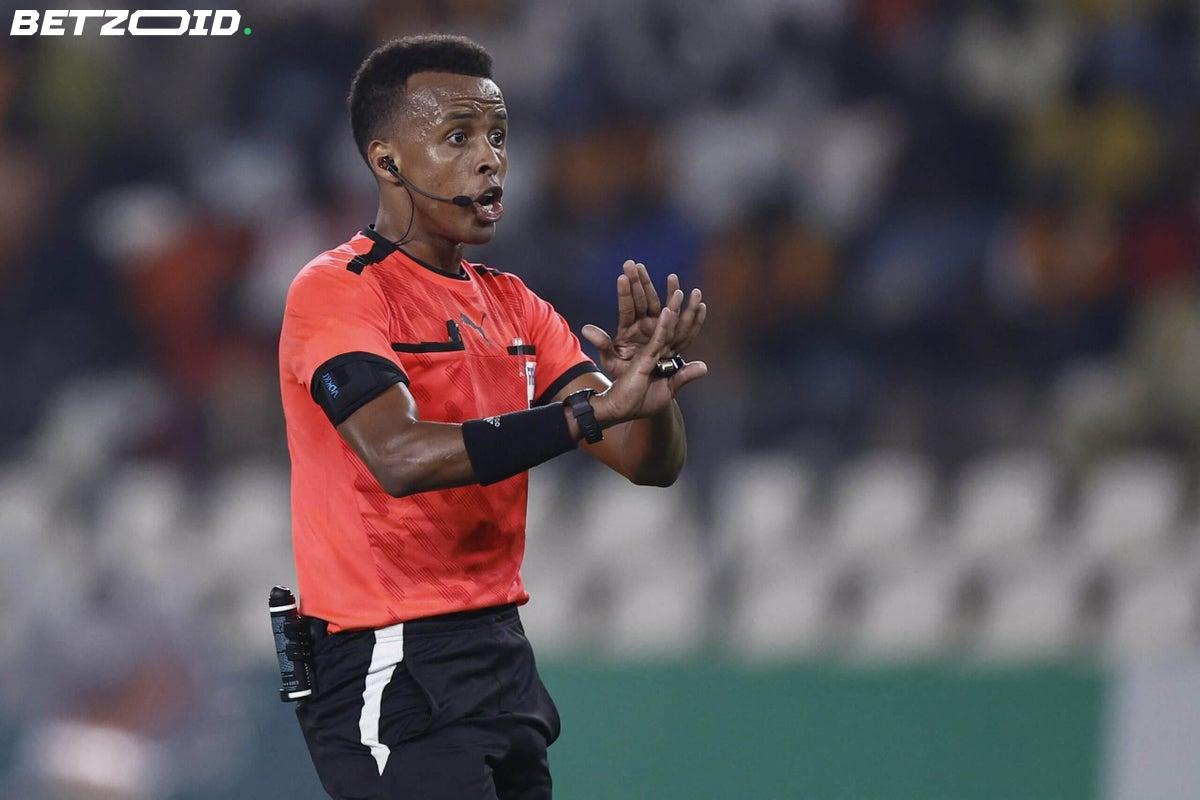
Omar Artan spent over 11 hours being interviewed at Miami International Airport, was locked in a holding cell, and was put on a plane back to Istanbul without officiating a single match. FIFA will still pay him in full.
The Somali referee — named the 2025 CAF men's referee of the year, who would have been the first from his country to work a World Cup — was barred from entering the United States on June 6 after the Trump administration cited alleged "association with suspected members of terror organizations." Artan says he had the correct visa, the correct papers, and FIFA accreditation. He was sent home anyway.
UEFA steps in where FIFA hedged
FIFA president Gianni Infantino called the situation "unfortunate" at a pre-tournament press conference, before adding that the governing body isn't "the kings of the world who can rule over governments." He also suggested critics should "just chill, relax." Not exactly a thunderous defence of one of your own officials.
UEFA went harder. On Thursday, the European governing body announced Artan will referee the Super Cup between Champions League winners Paris Saint-Germain and Europa League champions Aston Villa on August 12. UEFA president Aleksander Čeferin said the move was UEFA wanting to "show its respect to Omar and his outstanding officiating skills." That's a pointed statement, even if it was delivered in diplomatic language.
Back in Somalia, Artan received a hero's welcome when he landed home — crowds turning out for a referee, which tells you everything about what his selection had meant.
What FIFA's payout actually means
The full tournament fee for match officials hasn't been confirmed yet, but Artan will receive it at the conclusion of the World Cup, in line with every other official. That's the right call administratively. It doesn't fix the fact that a man with a clean record and proper credentials was denied entry to a tournament he'd earned the right to work.
FIFA paying him resolves the financial question. It doesn't answer the larger one: how a match official vetted and selected by world football's governing body ended up detained and deported while the tournament he was supposed to work went on without him.
"I had the right papers. I had the right visa," Artan told the New York Times. He's not wrong to say it.