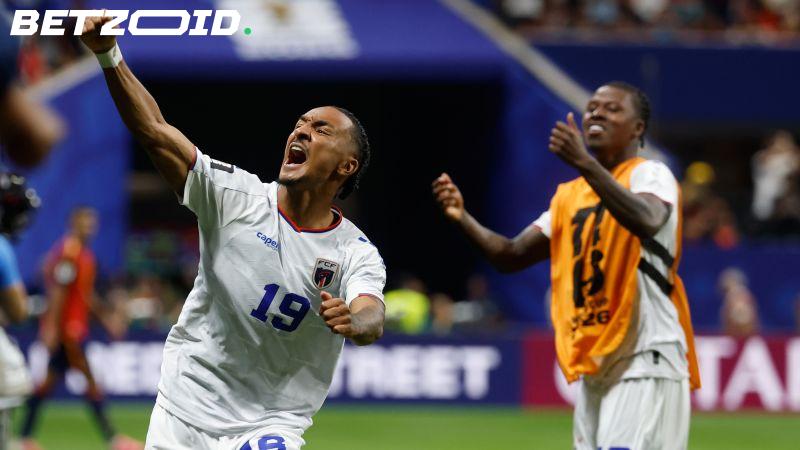
Two games. Zero wins. And somehow, Cape Verde — a nation of 530,000 people on an Atlantic archipelago — has been celebrating like champions. A 0-0 against pre-tournament favourite Spain, then a 2-2 comeback against Uruguay, the original World Cup winners. The fans are euphoric. The opponents are stunned. The scorelines, on paper, look completely unremarkable.
That's the thing about draws. Context is everything.
When a point is worth more than the maths suggest
Spain threw 27 shots at Cape Verde in 90 minutes — seven on target. Statistically, that should have produced at least two goals. Goalkeeper Vozinha and a disciplined defensive structure swallowed every single one. For Spain, a point dropped against a 64th-ranked nation. For Cape Verde, a point earned that might define their entire World Cup history.
Six days later, they clawed back from 2-1 down against Uruguay to make it 2-2. That's not a fluke. That's a team that knows exactly what it's doing.
Of the 48 matches played across the first two rounds of this World Cup's group stage, 14 ended level — a higher rate than usual. And yet several of them have been the tournament's most talked-about games. Netherlands vs Japan, 2-2, was called an instant classic. Curaçao goalkeeper Eloy Room made 15 saves in a scoreless draw against Ecuador — a record-tying performance that had people dancing in the streets of a Caribbean island nation of 158,000. Iran's 0-0 against Belgium and 2-2 against New Zealand have quietly positioned them to reach the knockouts for the first time ever.
None of those teams won. All of them have a genuine story to tell.
Why draws matter more than American sports culture admits
Historian and football podcast host Philipp Gollner puts it well: "Nil-nil, especially if the power differential between the teams is strong, can be a very thrilling game." He's right. A 0-0 where a minnow repels wave after wave of attacks from a giant is a completely different proposition to two mid-table sides playing out a dull stalemate.
The English Football League moved from two points for a win to three in 1981, deliberately incentivising teams to chase victories rather than settle. Draws still earn one point in virtually every major competition globally. The logic is simple: staving off defeat against stronger opposition takes real effort. That ought to count for something.
There's an American idiom — "a tie is like kissing your sister" — that captures how equal outcomes are viewed across the Atlantic. Former USWNT midfielder Sam Mewis admits she felt the same way: "We expected to win every game. We wanted to win every game." She acknowledges a draw could feel different at club level, across a long season with injuries and travel fatigue in the mix. But for the elite? "Most players are too competitive to think a draw is a win."
That competitive standard makes sense for the favourites. For Cape Verde, it's irrelevant. They're not here to meet expectations — they're here to exceed them.
- Cape Verde: 0-0 vs Spain, 2-2 vs Uruguay — two points, on the verge of the knockout stage in their debut World Cup
- Curaçao: Room's 15 saves in a 0-0 vs Ecuador matched a World Cup individual record
- Iran: back-to-back draws have put them in contention to escape the group stage for the first time
- Netherlands vs Japan: a 2-2 that commentators won't forget quickly
Gollner's broader point is the one that lingers: "Not every encounter in life is decided with a winner or a loser. Sometimes there's a compromise that both sides have to live with." Football understood that long before the tactical analysts arrived — the first ever official match, Barnes FC vs Richmond FC in December 1863, finished 0-0. The first international, England vs Scotland in 1872, did too.
Cape Verde's Vozinha is now a national hero and one of the most followed athletes at this entire tournament. He hasn't conceded in 180 minutes. His team haven't won a single game. And if they advance to the knockouts, anyone pricing them as easy opposition in the next round will be making a very expensive mistake.