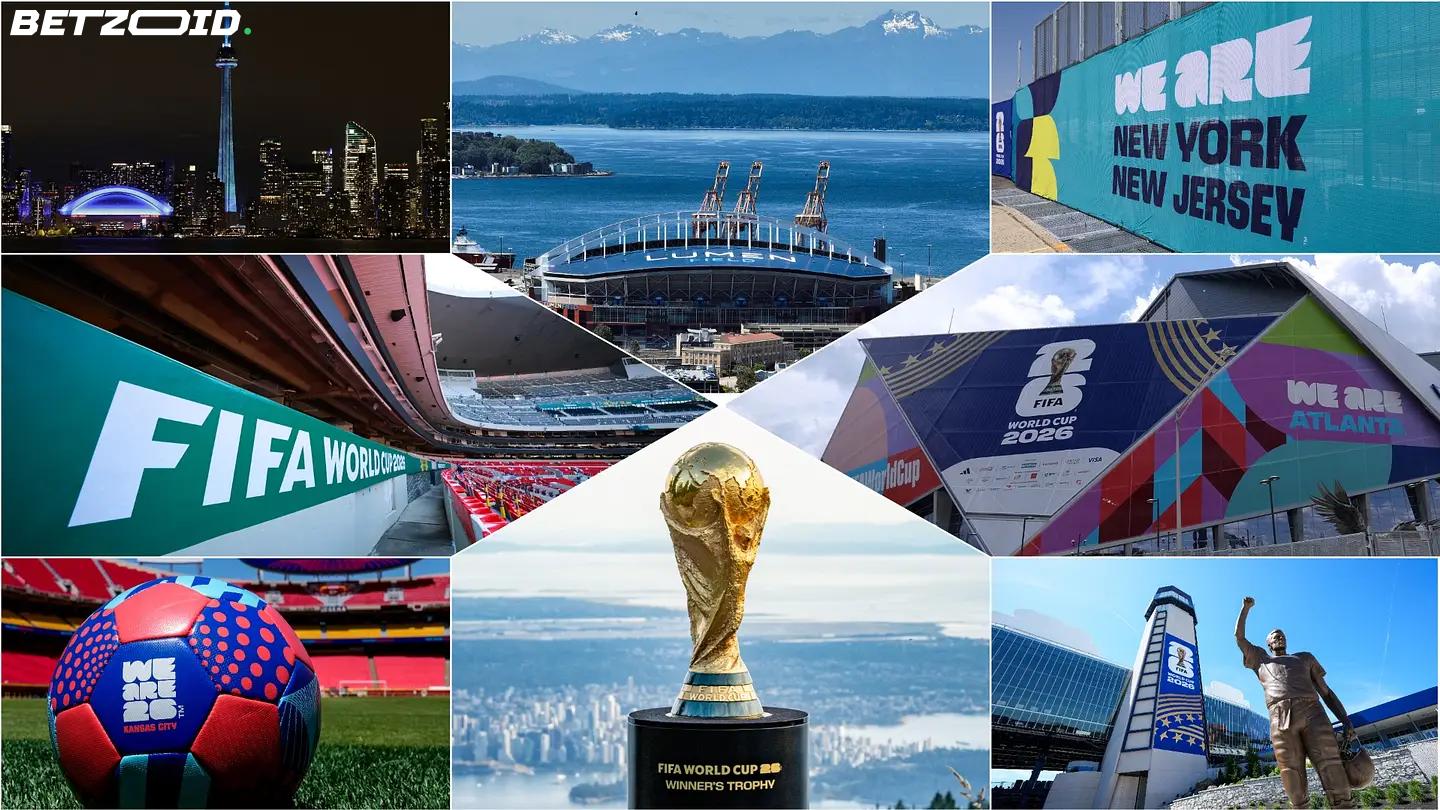
Vancouver is the best World Cup city this summer. San Francisco is the worst. Everything in between tells you a lot about how the tournament's spread across three countries will actually feel on the ground.
With 48 teams playing across 16 cities in Canada, the United States, and Mexico — starting June 11 and finishing with the final on July 19 — the 2026 FIFA World Cup is the biggest the sport has ever seen. But bigger doesn't always mean better, and where you choose to watch will shape the entire experience.
The top tier: walk to the stadium, catch the big matches
Vancouver tops the list for a simple reason: BC Place sits in the downtown core, the subway connects you to the airport and suburbs, and you can genuinely do the whole day without a car. The city rarely cracks 80°F in summer, there's a free official FIFA FanFest at the new PNE Amphitheater, viewing parties at the top of Grouse Mountain overlooking the city, and for American and European visitors, the Canadian dollar makes everything roughly 30% cheaper. It's hosting two of Canada's home games plus a round of 32 and round of 16. The setup is close to ideal.
Seattle comes in second for similar reasons — Lumen Field is within walking distance of downtown, accessible by public transit, and sits next to a proper stadium district with pre-match options. The metal bleachers make it legitimately loud. Atlanta is right behind with Mercedes-Benz Stadium's modern design, MARTA rail access, a free FanFest at Centennial Olympic Park, and eight matches including a semifinal. Spain play two group games there. The odds around Spanish knockout progression just got a venue boost.
Mexico City deserves its own mention. The Estadio Azteca, freshly renovated, is the most historically significant ground at this entire tournament. Transit is smooth, the atmosphere will be incomparable, and two large FanFests — one at the Zócalo main square — will make the city feel like it's been swallowed whole by football. No other city will match that street-level energy.
The middle pack: good matches, messy logistics
Dallas has the best match schedule of any venue — eight games, the most of any city, including a semifinal, two Argentina matches, England vs. Croatia, and Netherlands vs. Japan. The problem is AT&T Stadium sits 25 miles from downtown Dallas in Arlington, with no direct public transit. You're renting a car or gambling on a rideshare. If you're pricing outright winner markets and want to watch the favorites in person, Dallas is where the tournament is really happening — getting there is just the tax you pay.
Los Angeles offers SoFi Stadium, one of the best venues of the entire tournament, and the USMNT open their World Cup campaign there against Paraguay. Ten separate FanFest zones from Venice Beach to Burbank add something genuinely different. The warning is the same as always: traffic.
Miami brings seven matches and Hard Rock Stadium's surprisingly intimate sightlines for soccer. Lionel Messi's home city will embrace this tournament with a ferocity most U.S. cities won't match. Bayfront Park hosts the FanFest through early July. The heat is a real variable — build shade breaks into your plan.
- Toronto (3rd overall): Most multicultural city in the world, stadium near the water with a 10-minute train from downtown, free FanFest at Fort York next door. Canada vs. Bosnia and Herzegovina kicks off June 12.
- Houston (12th): Two Cristiano Ronaldo group-stage games, plus Germany and the Netherlands. NRG Stadium is a driving city situation, but light rail softens it. The match schedule alone makes it worth considering.
- Monterrey (10th): Estadio BBVA's mountain backdrop is one of the iconic images of club football. Car-dependent, but the MetroLine gets fans close. Free FanFest at Parque Fundidora across 335 acres.
- Guadalajara (11th): Only four games hurts it as a destination. Mexico vs. South Korea and Uruguay vs. Spain are both compelling fixtures, but the limited schedule makes it a side trip rather than a base.
- Boston (9th): Excellent city, but Gillette Stadium in Foxborough is 28 miles out. Train tickets run $80. Uber's offering $45 post-match shuttles. The math adds up to an expensive, traffic-prone matchday.
The bottom of the list
Philadelphia is fine — Lincoln Financial Field has public transit access, free fares on return trips, and a 39-day free FanFest. France, Brazil, and Croatia are on the match schedule. The issue is the stadium sits well away from the downtown entertainment core, and no single marquee matchup anchors the slate.
New York/New Jersey is hosting the final. It's also one of the most logistically painful venues in the tournament. MetLife Stadium in the Meadowlands requires trains, transfers at Secaucus if you're coming from Manhattan, and $100 tickets for public transit on matchday. The city itself will be electric — official events at Rockefeller Center, the Billie Jean King National Tennis Center, and Sports Illustrated Stadium in Harrison — but getting to the actual final will be a slog.
Kansas City's Arrowhead is a genuinely impressive NFL venue. But it's outside the city, the FanFest runs only 18 days, and general admission costs money. The infrastructure just isn't built for this.
San Francisco sits last. Levi's Stadium is 40 miles from downtown, there's no centralized FanFest, and the match schedule features Paraguay, Australia, and Türkiye as the headline acts. It's a full-day commitment to watch a group-stage game that won't be deciding anything in terms of tournament futures. The odds of anyone calling this a highlight of their World Cup trip are long.