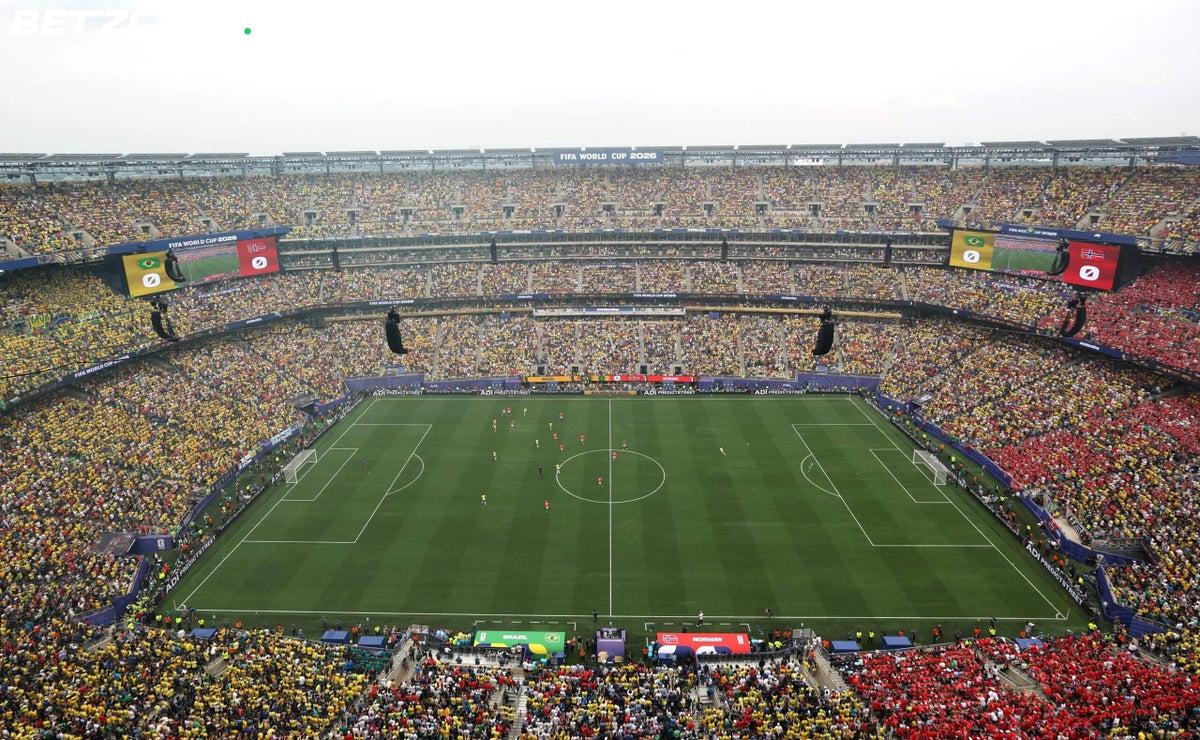
"The pitch — I don't even know if you can call it that." That was France midfielder Adrien Rabiot's verdict after playing at MetLife Stadium in June. On Sunday, that same surface hosts Spain vs Argentina in the World Cup final.
FIFA pitch manager Alan Ferguson is confident the worst is behind them. He's calling MetLife the fourth-best pitch of the 16 host venues, and points to a deliberate two-week rest period — built into the schedule since Brazil beat Norway in the round of 16 on July 5 — as the reason it should hold up for the biggest match in football.
"We're 95 per cent of where we wanted to be," Ferguson said. That's either reassuring or quietly damning, depending on your tolerance for a World Cup final played on a surface that had players publicly questioning its existence a few weeks ago.
What Actually Went Wrong
The core issue was a deliberate gamble. Ferguson's team chose warm-season Bermuda grass for MetLife — rather than the Kentucky bluegrass and ryegrass blend used at cooler venues — specifically because the stadium hosts the final, over a month into a tournament played in July heat. The logic: cool-season grass would have struggled once temperatures climbed.
The problem? The temperatures never climbed on schedule. For the first 10 to 12 days, the warm-season grass was, in Ferguson's words, "waking up in the morning and thinking, 'What have you done to me?'" Grow covers, fleece blankets, and artificial grow lights bought some time. Then the sun actually arrived, and the surface responded.
Vinicius Junior blamed the pitch after Brazil's 1-1 draw with Morocco on June 13. Deschamps muttered about "cement below the grass." These weren't fringe complaints — they came from the tournament's highest-profile teams within the first week.
Why This World Cup Is Different From Previous Events at MetLife
MetLife has form here. The Copa America and last summer's Club World Cup both drew criticism for the same surface. But FIFA has invested significantly more infrastructure this time: a fully automatic irrigation system, sub-air vacuum ventilation, in-ground drainage, and a proper layered rootzone. At the Club World Cup final last July, ground staff were watering the pitch with hoses.
After Sunday's final, all of it gets ripped out. The Giants and Jets play on artificial turf, and the NFL pre-season starts in mid-August. The NFLPA — which has been pushing for natural grass across all NFL venues — didn't miss the irony, releasing a statement pointing out that team owners chose to give soccer players something they won't give their own.
The final cut happens Sunday morning. Kick-off is 3pm local time. Ferguson insists the pitch will hold. The best quote in his defense of the whole operation might also be its most honest admission: "Over a tournament with this size of footprint and diverse climate, I would have snapped somebody's hand off eight years ago if they'd offered me to be sitting in this position today."
Make of that what you will — but the World Cup final is on, and the grass is apparently growing.