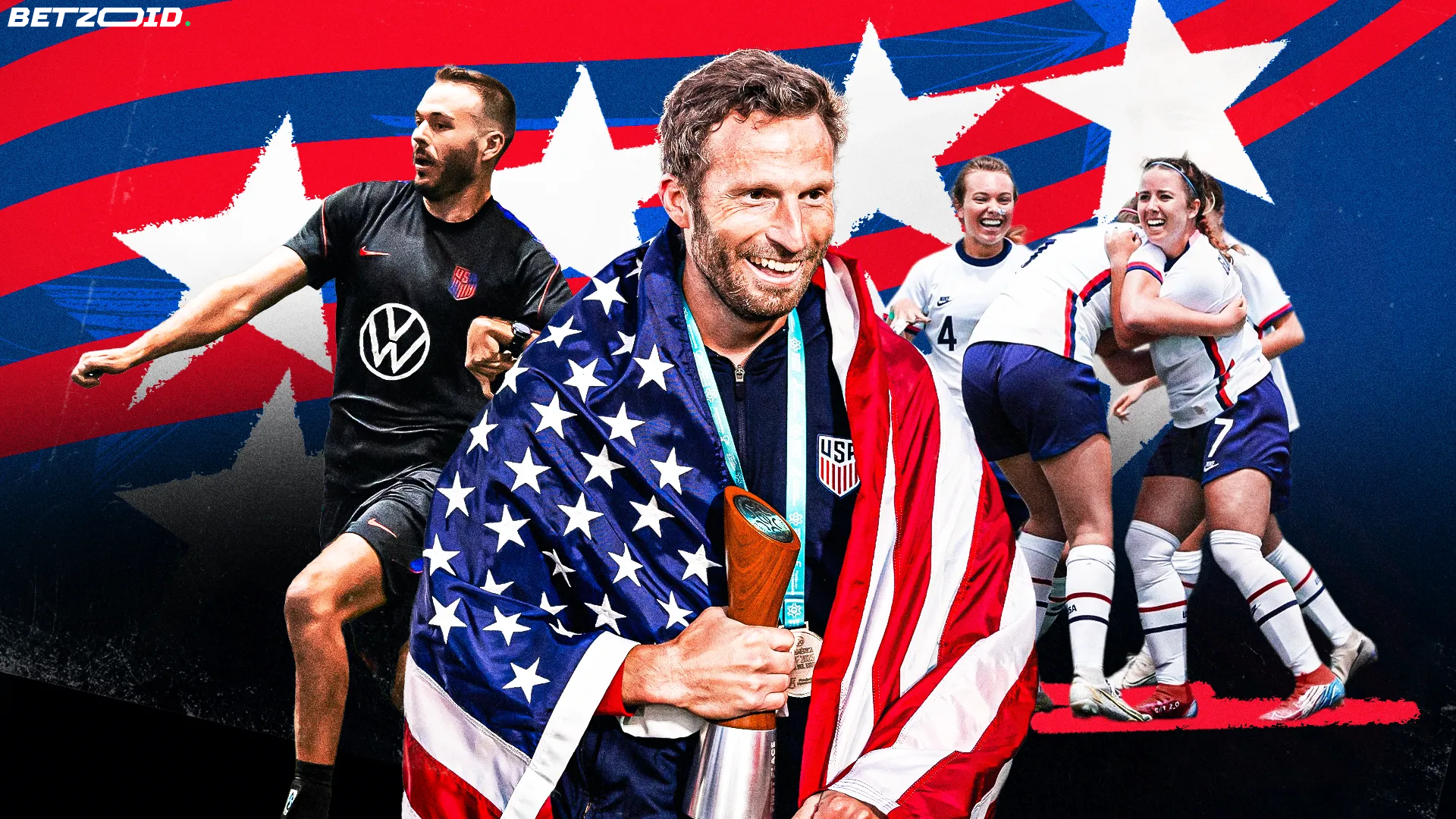
Barack Obama called two athletes up on stage at the White House in 2016. One was Simone Biles, fresh off five Olympic medals. The other was a former army soldier named Brunais, whose cerebral palsy soccer team had finished seventh at the Rio Games. That tells you everything you need to know about the kind of player Brunais is — and the kind of program U.S. Soccer has quietly been building.
Now with 53 caps and eight World Cup rosters to his name, Brunais is the backbone of a team chasing glory on home soil. Two CP World Cups. Home advantage. And a squad with a story worth telling.
The Honest Conversation That Started It All
Brunais almost didn't make it. When he first showed up to a U.S. camp in 2015 — scouted through a veterans sports program in Atlanta — coach Sharp told him straight: he probably wasn't good enough. Sharp, a proud Scot, didn't soften it.
"He was pretty honest about it. He said he wasn't sure if I would come back," Brunais admitted.
Sharp frames it differently. He knew a former army man would respond to a challenge, not a pat on the back. It was man-management, not a verdict. It worked. Brunais came back, earned his place, and was named the flag bearer for the closing ceremony at Rio.
Sharp later said of Brunais: "They're elite athletes. He's somebody from that background who needs to be told the way it is. And he sees that intrinsically as a challenge to make himself better."
Not Every Path Runs Through the Military
John Sullivan's route was entirely different. A traumatic brain injury as a baby removed part of his skull and severely affected motor function on his left side. Soccer wasn't just something he loved — it was the only sport his body allowed him to play at a competitive level.
"Soccer was the only sport that I could not only participate in but excel at," Sullivan said. Basketball, football, baseball — the staples of American youth sport — were largely off the table.
He built his game through high school and club soccer in a small Arizona town, becoming a technically sharp midfielder with a goal threat. But the same close-knit player pool that helped him develop also boxed him in. Same teammates every year. Same expectations. Sullivan is gay, and navigating that alongside a physical disability in a small-town sports environment took years.
"Being gay and disabled in the world of sport was really challenging... it took me three-to-four years to break out of my shell and stop being so shy," he said.
His path to the national team started with a social media post in 2017. He ignored it. It kept appearing. Eventually he emailed Sharp, shot some drill footage through cones, and was invited to camp. No game film required. Sharp took the gamble.
It paid off immediately. Sullivan started the opening game of the World Cup. The kids who made fun of him growing up found him on Instagram afterward to apologize.
"Whenever we're standing for the anthem, I'm always standing there and thinking of little kids with CP... letting them know that there is a pathway to achieving whatever goals they have," Sullivan said.
Two World Cups on home soil. A squad built from army veterans, track athletes, and players who had no other option but to be brilliant at this. The U.S. CP program doesn't need a hype reel. The résumés speak clearly enough.