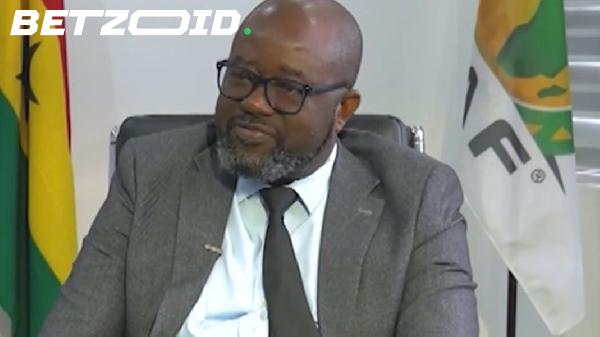
A 39.3% competitive win rate across 56 matches. That's the Black Stars' record under Kurt Okraku's Ghana Football Association — the lowest of any GFA administration in recent comparative analysis. For a man who sold himself as a "GameChanger" in 2019, that number is damning enough on its own.
Okraku swept into the GFA presidency on a wave of optimism, presenting a four-pillar manifesto built on transparency, good governance, gender equity, and professionalism. Seven years and one re-election later, the ledger is more complicated than either his critics or his supporters want to admit.
What actually got done
The money has moved. Premier League clubs received GH¢1 million each ahead of the 2025/26 season, with another GH¢1 million already announced for 2026/27. Prize money is up. The GFA invested GH¢1.8 million over two seasons training 600 Colts coaches. The Ghanaman Soccer Centre has new floodlights, a gym, and renovated accommodation. These are not nothing.
But promises and delivery are different things, and the gap between them is where Okraku's administration keeps getting caught.
The autonomous Premier League structure? Registered as a company, then quietly stalled — clubs reportedly asked the GFA to keep running the league because they weren't ready. Six years after the promise, the association was still reminding clubs to submit directors to the board. The 14 international-standard pitches at Ghanaman? Still an "ongoing project." Colts football, described in 2019 as the backbone of Ghana's talent factory, is still being rebuilt with major initiatives rolling out now, in year seven.
The Black Stars problem won't go away
This is where the record gets genuinely difficult to defend. Failed to qualify for AFCON 2025. Started the 2027 qualifiers with defeats to Côte d'Ivoire and The Gambia. Carlos Queiroz — brought in to stabilise things — lasted seven matches before leaving. The GFA can point to World Cup qualification and Ghana's return to the global stage in 2026, and that matters. But one tournament appearance doesn't offset the broader pattern of instability, revolving-door coaching, and results that have Ghana's betting odds drifting rather than shortening.
Refereeing is another open wound. Okraku promised a "Catch Them Young" policy and performance-based recognition. Young officials have been promoted. Yet officiating remains the most argued-about topic in Ghana football, with the GFA itself acknowledging that standards and public perception are still problems — which tells you almost everything.
The fairest summary of seven years under Okraku is this: he moved the dial on club funding, youth infrastructure investment, and facilities development. But the headline promises — a self-sustaining autonomous league, 14 world-class pitches, a transformed national team structure — remain works in progress or quiet retreats. A GameChanger who changed some things, but not the game.
Ghana's competitive win rate under Okraku stands at 39.3%. That's the lowest of any administration examined. Whatever the next chapter looks like, that's the number his tenure will be measured against.