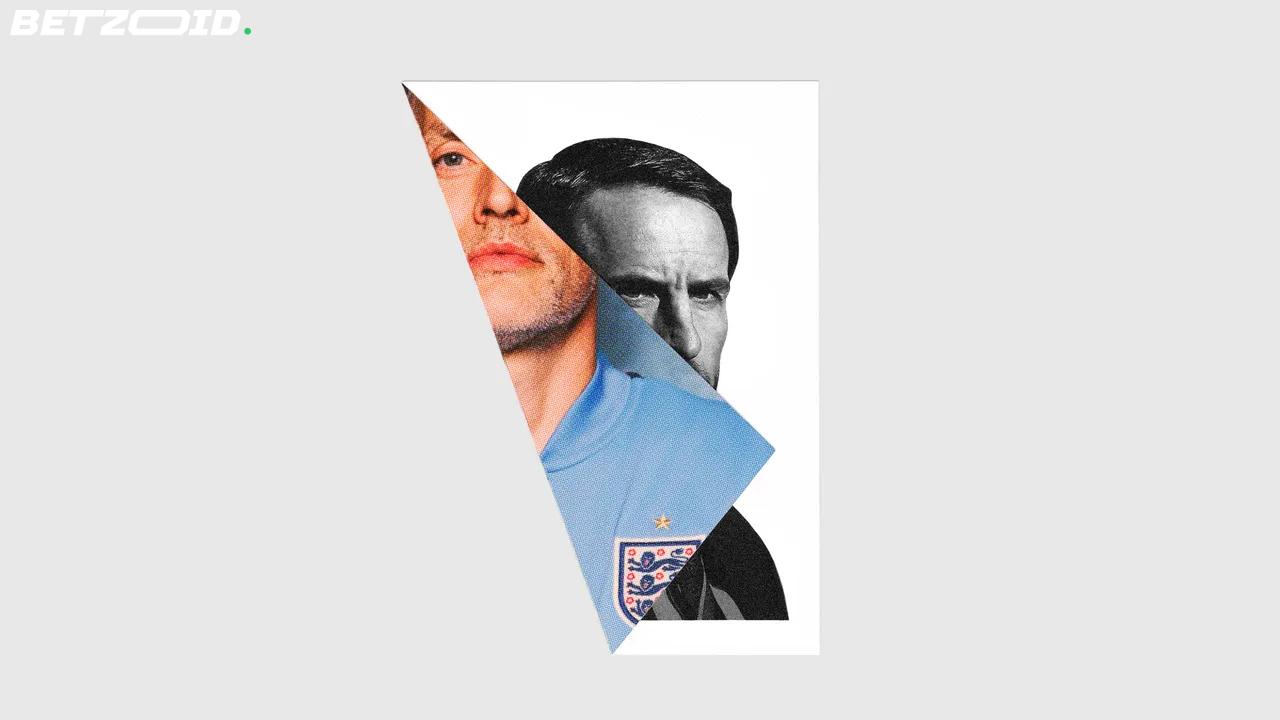
"I have never believed that we should just stick to football." Gareth Southgate wrote that in 2021, and he meant it. The BBC's new four-part drama Dear England — starring Joseph Fiennes — takes that sentence as its entire premise, and honestly, it has the material to back it up.
The series opens on the penalty spot at Wembley, 1996. Southgate. The miss. The moment that haunted him for the next two decades, and that — in the show's framing — haunted England too. He wonders aloud at one point whether he'd scored, England might have become "a happier, more confident place as a result." That's not dramatisation for its own sake. That's the actual psychological architecture the man operated from when he took the manager's job in 2016.
The job nobody wanted to give him
Context matters here. Southgate got the England role weeks after the Brexit vote, inheriting from Sam Allardyce — who lasted exactly one game before being caught in a newspaper sting operation. The bar was subterranean. And Southgate's CV wasn't inspiring: a forgettable spell at Middlesbrough and a youth team role. The Guardian's Barney Ronay memorably described his aura as that of "an ambitious young geography teacher hurrying into class three hours early to set up his papier mache sedimentary rock bed."
What followed made all of that look shortsighted.
A 2018 World Cup semifinal. Back-to-back European Championship finals in 2021 and 2024. No England manager in the modern era had taken the team that far, that consistently. Neither final ended in a win — that's the honest summary — but when Southgate stood down after the 2024 final, the FA head called him the man who made "the impossible job possible."
The letter that changed the conversation
After England players were booed by their own fans for taking the knee, Southgate published an open letter in The Players' Tribune. He invoked his grandfather's wartime service, praised royal pageantry, and still argued clearly that racial injustice demanded a response. It was read aloud on BBC Radio 4's Today programme. Frank Luntz — a pollster who has spent decades dissecting political messaging — called it one of the best letters he'd ever read, and told politicians to "be more like Gareth Southgate."
Liberal commentators went further, arguing he'd articulated a more coherent vision of Englishness than Boris Johnson managed during the same period. The Athletic described him as "arguably the most important person" in British public life over the past two decades.
For a major-tournament betting market, England under Southgate were a consistent dark horse — never favourites, always dangerous deep into tournaments, and structurally far harder to beat than their pre-tournament odds often suggested. Two finals in three years is data, not narrative.
The drama premieres on the BBC in four parts. Whether it can capture the full contradiction of the man — cautious yet outspoken, middling CV yet genuine overachiever — is the real question. The raw material, at least, is undeniably there.