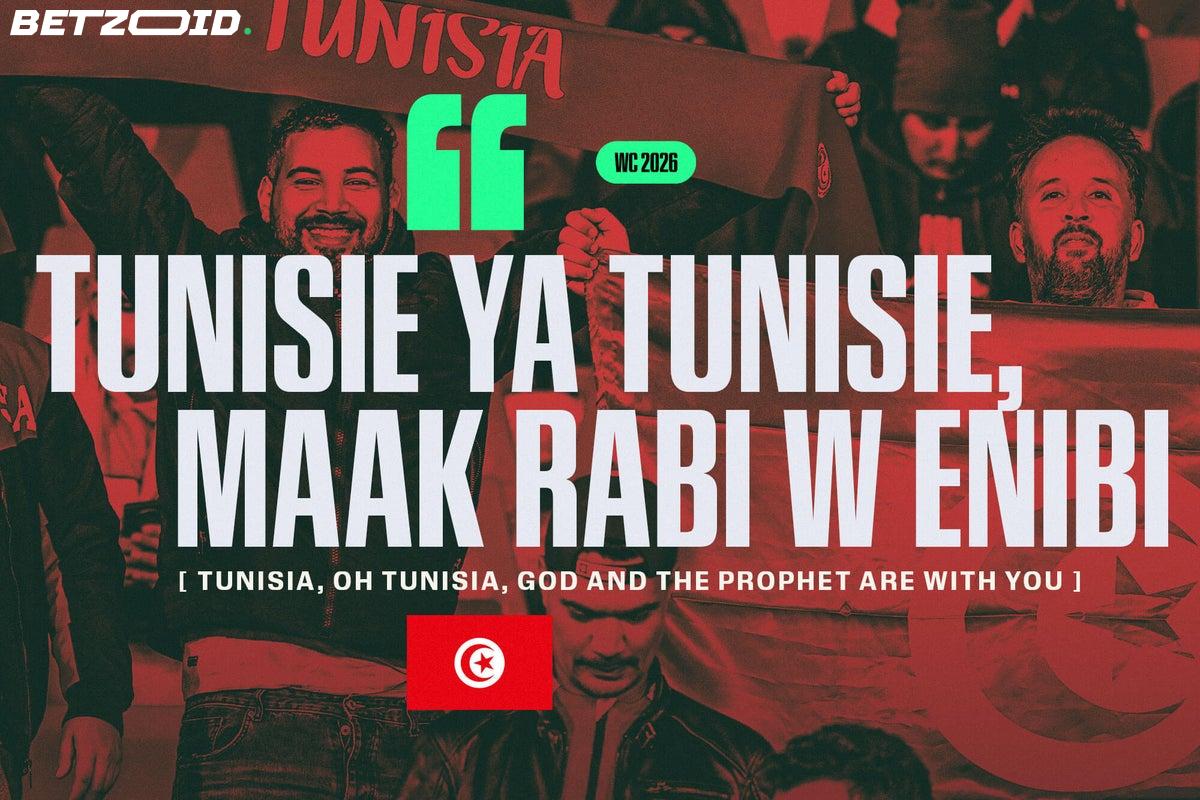
"French media call us the Italy of Africa," says Omar Belghith, a Tunisian fan based in La Marsa. "When we are the underdogs, we make great matches. When we are the favourites, we disappoint." That one sentence explains Tunisia's entire World Cup history better than any stat sheet could.
They were the first African nation to win a World Cup match — beating Mexico 3-1 in 1978. Since then, they have collected near-misses, costly defeats, and one bittersweet win over France in Qatar that mattered only because Australia had already ended their round-of-16 hopes four days earlier. Same old story, different tournament.
A new generation, a familiar headache
Tunisia qualified for 2026 in style — 13 goals scored, none conceded across their qualifying group. Then head coach Sami Trabelsi was sacked in January, the day after a penalty shootout exit to Mali at AFCON. Replaced by Sabri Lamouchi, former Nottingham Forest and Cardiff City manager, born in France to Tunisian parents, and apparently willing to actually give youth a chance.
That matters because the players are there. Hannibal Mejbri, 23, came through Manchester United's academy and will be hungry after suffering Premier League relegation with Burnley. Sebastien Tounekti has shown real quality for Celtic since arriving from Hammarby. Elias Achouri played Champions League football for Copenhagen this season against Barcelona, Napoli, and Spurs. Ellyes Skhiri is a regular for Eintracht Frankfurt in the Bundesliga. And 21-year-old Khalil Ayari — who spent the past season in PSG's academy — made his senior debut in March.
This isn't a squad scraping through on experience and organisation alone. There's actual talent here. Whether Lamouchi can build a system that uses it is a different question entirely.
The group, the fans, and the honest truth
Their 2026 group contains the Netherlands, Japan, and Sweden. Belghith says every Tunisian considers Japan the toughest test — a side that has openly declared an ambition to win the World Cup by 2050 and is building toward it with purpose. The Netherlands reached the quarter-finals in Qatar and the Euro 2024 semi-finals. Sweden scraped through qualifying via a play-off against Poland.
On paper, Tunisia can compete. But on paper, they were also capable of beating Australia in 2022, and that 1-0 loss is the real reason the France victory felt hollow.
The fan culture is genuine — songs, flags, cafes packed at 6am to watch group stage games broadcast on the other side of the world. But there's a telling detail in what Wajih, a supporter now based in Belgium, reveals about their home stadium: the Hammadi Agrebi holds 60,000. They average 20,000. Fans who live abroad travel further and louder than those back home. That disconnect between passion and attendance says something about a fanbase that has learned, over decades, to manage its expectations.
- Tunisia open on June 15 against Sweden
- Hannibal Mejbri leads the squad after relegation with Burnley
- Lamouchi replaced Trabelsi in January following AFCON exit
- Key talents: Tounekti (Celtic), Achouri (Copenhagen), Skhiri (Frankfurt), Ayari (PSG academy)
"I hope for the first time in history we will progress to the next round," Belghith says. "Why not?" It's a reasonable question. But Tunisia have been asking it since 1978. The group is winnable, the squad is the most technically gifted in years, and the coach has shown willingness to blood new faces. Whether that's enough to finally end 48 years of group-stage exits is the only question that counts.