"FIFA has left hundreds of millions of dollars on the table." That's John Skipper, former ESPN president, summing up one of the most lopsided broadcast deals in sports history — and he's being polite about it.
Fox is paying $485 million to broadcast the 2026 World Cup. Industry experts put the open-market value at between $1 billion and $1.5 billion. Skipper thinks it could have gone higher. Daniel Cohen, who leads sports media rights at Octagon, calls it "one of the most undervalued deals in the world." Cohen estimates Fox will recoup its entire investment through advertising revenue alone — which represents only 30 to 40 percent of total World Cup revenues. Retransmission fees and an estimated $70 million from 30 games on Fox Sports 1 take care of the rest.
Fox is going to make a fortune. The question is how they got here.
The backroom deal that started it all
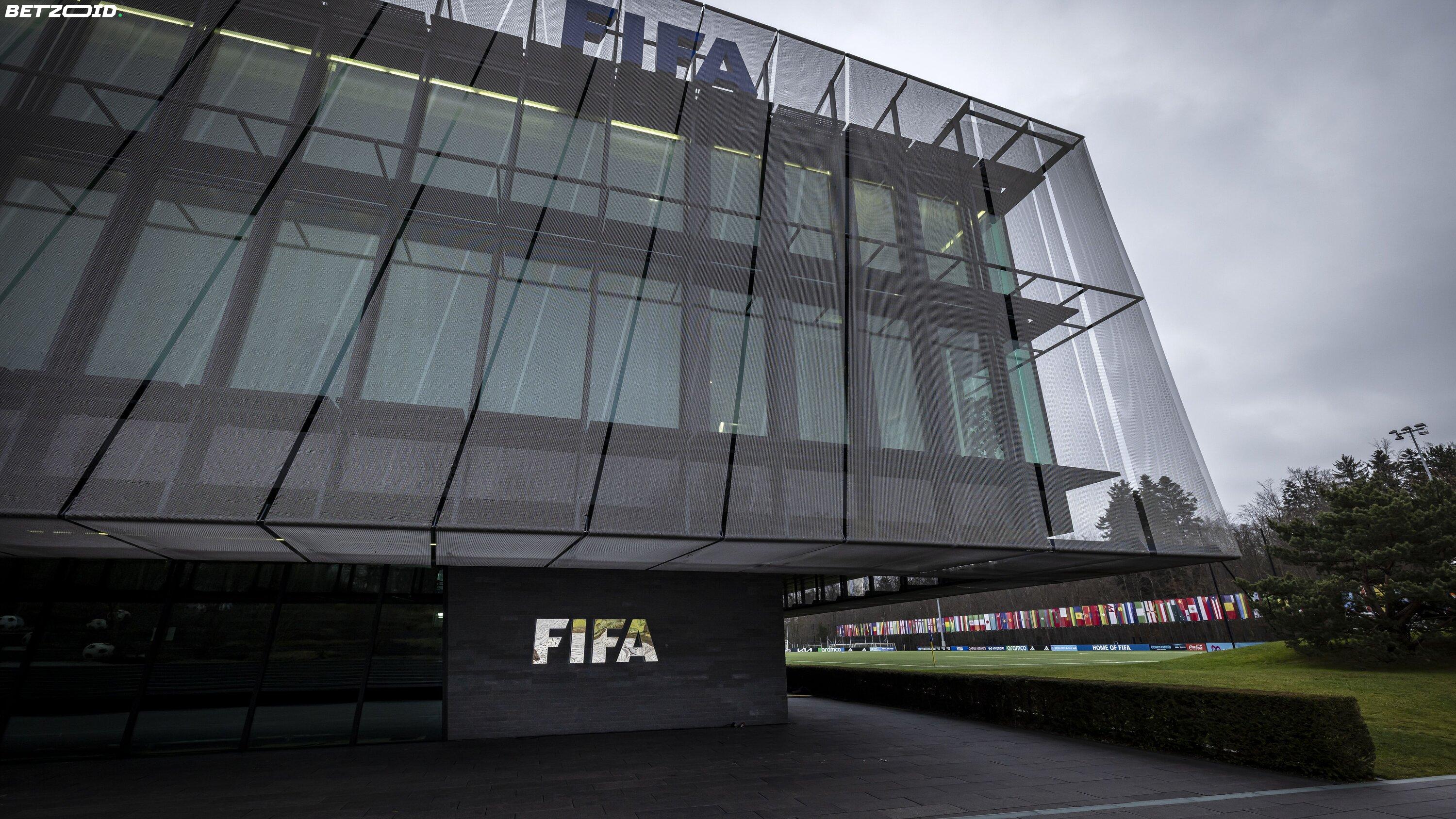
Trace it back to March 2014. FIFA's board gathered in a soundproof room beneath its Zurich headquarters. According to people with direct knowledge of what was said, then-secretary general Jerome Valcke told board members it had "been agreed" to extend Fox's contract through 2026 — in exchange for Fox not taking legal action if FIFA moved the Qatar World Cup away from its traditional summer dates.
Qatar's heat made a June-July tournament impossible. FIFA knew it. Fox had paid a record $425 million for the 2018 and 2022 rights on the assumption of summer scheduling. Moving it to November-December — straight into the heart of the NFL, NBA, and NHL seasons — was a material change. Rather than face a legal fight or a competitive rebid, FIFA quietly handed Fox the 2026 rights more than a decade in advance.
By February 2015, the extension was official. A month later, FIFA confirmed the Qatar dates would shift to November-December. Two months after that, nearly the entire FIFA leadership was removed following a sweeping U.S. Department of Justice indictment tied to decades of corruption in television rights sales.
The Fox deal survived all of it.
The corruption shadow — and why it didn't stick
The 2026 arrangement wasn't the only deal under scrutiny. At a federal trial in January 2023, prosecutors alleged that former Latin American Fox executives bribed FIFA officials for favorable access to regional broadcast contracts. A star witness, Argentine sports marketing executive Alejandro Burzaco, testified that inside information from a secretly paid FIFA official gave Fox a decisive edge in what was supposed to be a blind auction for 2018 and 2022.
Skipper testified he had no direct evidence of wrongdoing. But he told the court he had a "handshake agreement" with FIFA officials who assured him ESPN would be guided to win — only to lose out to Fox. "I didn't pay them any money," he said pointedly.
Fox has always denied involvement in the bribery scandal and was not named as a defendant. "Fox won the 2018 and 2022 World Cup rights through a competitive bidding process. Period," a company spokesman said. Inside FIFA, senior officials did explore whether the 2026 contract could be rescinded. They consulted outside law firm Paul Weiss. Fox produced a ten-page letter defending its position. FIFA backed down.
Valcke, later convicted in Switzerland on charges related to separate World Cup rights sales, told reporters he did not recall the circumstances around the Fox deal.
The 2026 World Cup kicks off next month across the United States, Canada, and Mexico — expanded to 48 teams, with more matches than anyone had anticipated when this deal was signed. Viewership records are expected. Cohen projects a 30 percent rise above Qatar's already strong numbers. FIFA is budgeting for over $11 billion in total revenue, $4 billion more than last cycle.
Fox paid $485 million for rights worth three times that. "I think they will make hundreds of millions of dollars," Skipper said. He would know — he's the one who lost the bid.