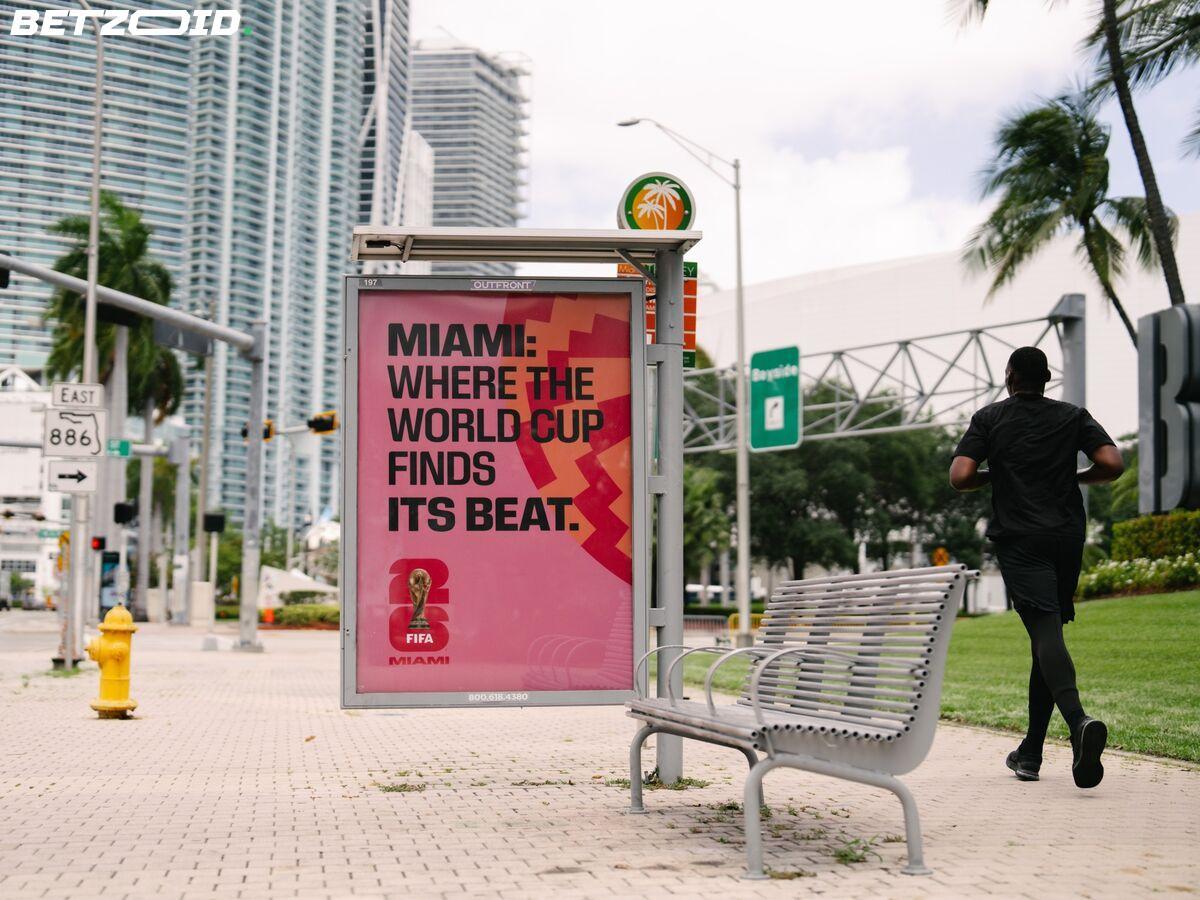
While New York, Boston, and Seattle are quietly panicking about whether the 2026 World Cup will actually deliver the economic windfall they were promised, Miami has already moved on to logistics. The anxiety gap between host cities is real, and it's widening.
South Florida's confidence isn't accidental. Hard Rock Stadium has the infrastructure. The city has the international draw. And then there's the small matter of Lionel Messi living and playing there — the single most marketable human being in world football. Tournament organizers say filling seats won't be a problem. They're probably right.
Why Miami has a head start the other cities can't fake
Other host cities are wrestling with transport, accommodation costs, and whether the projected tourist numbers were ever realistic to begin with. Miami doesn't need to manufacture excitement — it already exists in the market. The city has deep Latin American cultural roots, a fanbase that doesn't need convincing to care about international football, and a genuine footballing identity that didn't exist five years ago.
That last part matters. Messi's arrival at Inter Miami didn't just sell shirts — it repositioned South Florida as a legitimate football destination on the global map. The 2026 World Cup is arriving at exactly the right moment for a city that's been building toward this.
For the betting market, host city atmosphere shapes outcomes in ways the odds don't always fully price in. Games played in a genuinely electric environment — packed houses, partisan crowds, real noise — affect how teams perform, particularly in knockout stages. Miami's group stage and potential later-round matches will have that. Whether the same can be said for every venue on this expanded, 48-team roster is a fair question.
The broader hosting picture isn't all clean
The expanded format — more teams, more games, spread across more cities — was always going to stretch logistics thin somewhere. The cities now expressing anxiety aren't being dramatic. Hosting a World Cup isn't just about building a brand moment; it's about delivering on the specific promises made to FIFA during the bidding process. Economic projections, infrastructure commitments, tourist projections — those numbers get scrutinized, and the gap between forecast and reality tends to emerge fast once tickets go on sale.
Miami, for now, sits apart from that conversation. The city didn't need a World Cup to become relevant to football. The World Cup just happened to show up once it already was.