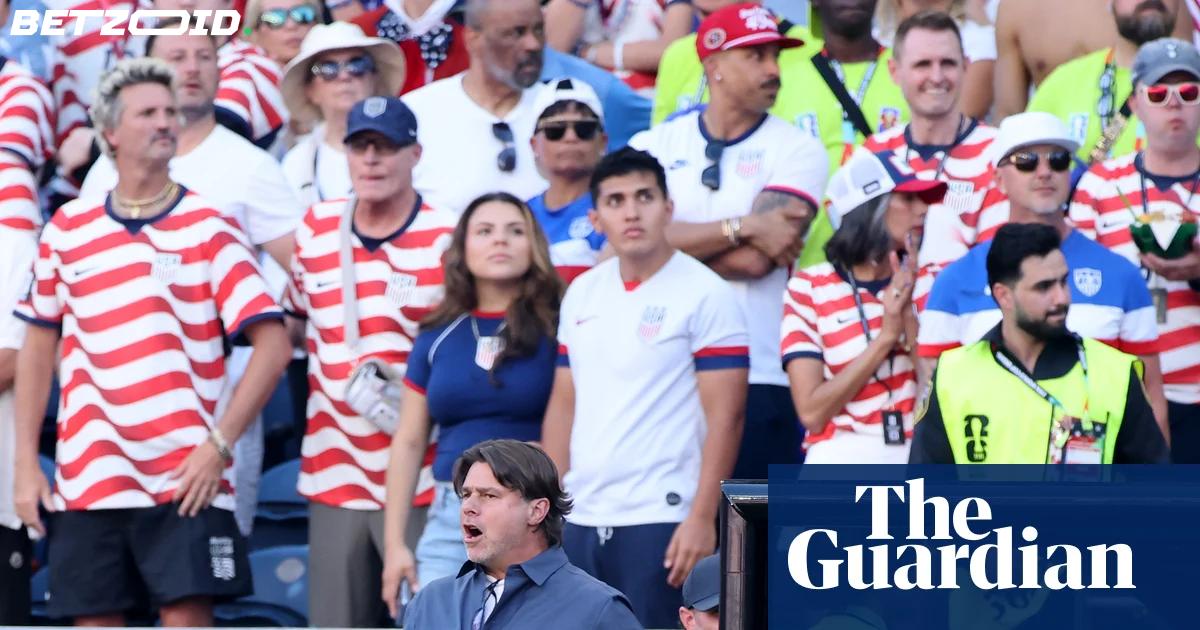
"Maybe I regret not having been more involved." That's Mauricio Pochettino, months on from a diplomatic circus that ended with the USMNT losing 4-1 to Belgium — and he's still piecing together what went wrong.
The sequence of events is well established by now. Folarin Balogun received a red card against Bosnia and Herzegovina. Standard protocol: one-game suspension. Then US Soccer and Donald Trump lobbied FIFA, with Trump publicly claiming he phoned Gianni Infantino directly to request a review. The ban was overturned. Belgium's players used it as fuel. Balogun himself said the attention made him uncomfortable. And then came the hammering.
The wrong people in the room
Pochettino's sharpest criticism isn't really about the red card itself — it's about who was involved in the decision to fight it. Speaking to broadcaster Andrés Cantor on Fútbol de Primera, he made his preference clear: "These types of things have to be managed under a much more limited structure, a structure where decisions have to be made by very few people." Football decisions, handled by football people. The intervention of a sitting US president in a FIFA disciplinary matter was never going to land quietly.
It didn't. And Pochettino believes the fallout was tangible on the pitch. "That energy changed the minute that happened," he said, suggesting the controversy shifted the psychological parameters of the match so completely that tactics, strategy, and selection were essentially irrelevant by kick-off.
Whether or not that's a convenient explanation for a 4-1 defeat is a fair question. Belgium were the better side regardless. But the episode handed them a narrative, a grievance, and a crowd mood that the USMNT had no answer for.
A warning for what comes next
The USMNT host Peru in Orlando on Saturday, then face Chile, Mexico, and Canada across the rest of this international window. The football moves on. But Pochettino's candid admissions here suggest the internal fallout from the Balogun affair hasn't been fully resolved — just quietly filed away.
The most telling line in the entire interview: "I think nobody understood how it happened." That includes, apparently, the head coach.