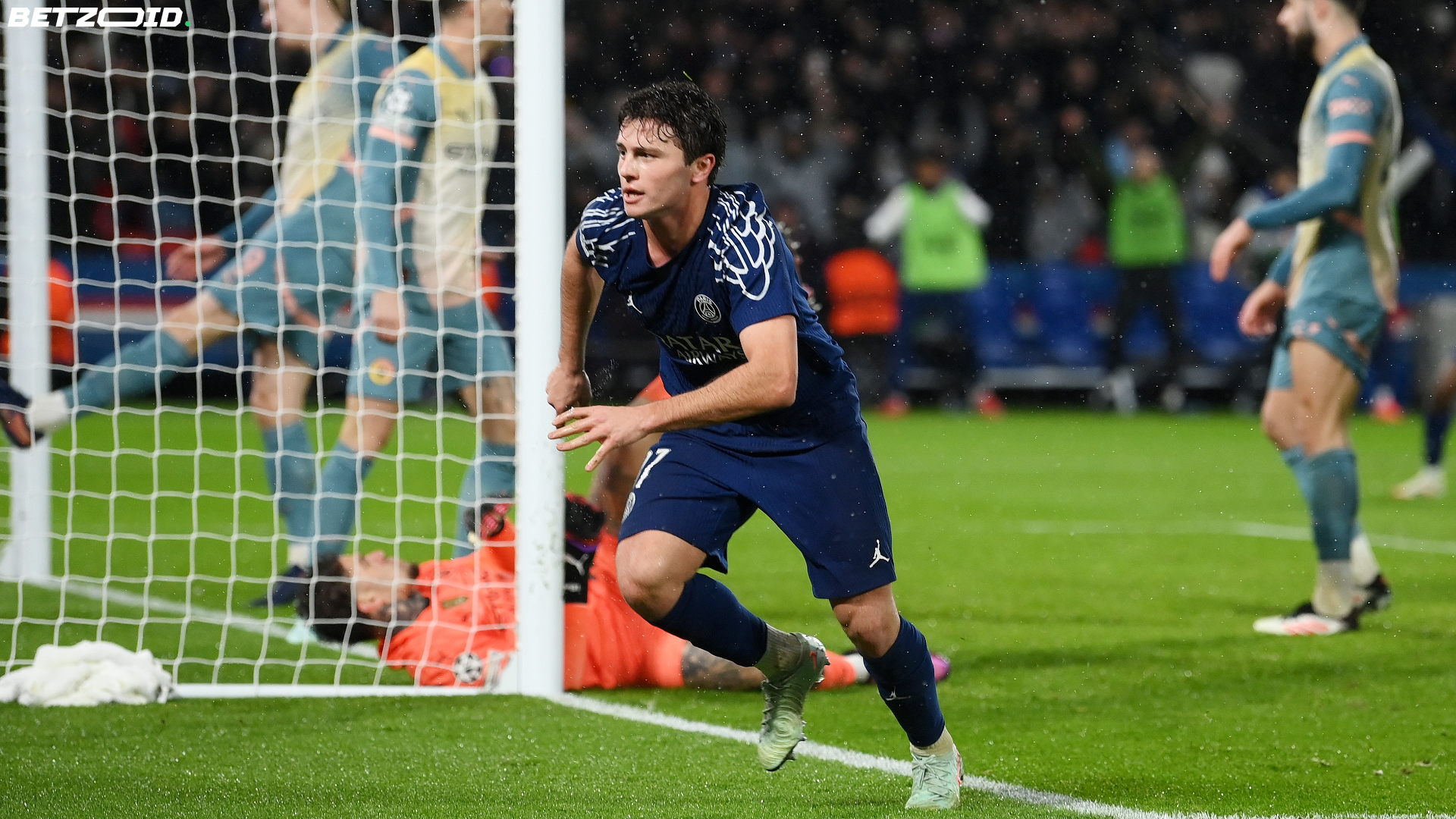
PSG arrive at the Etihad as back-to-back European champions. Manchester City arrive as a club found guilty of 114 out of 115 Premier League financial rule breaches. The scoreline before kick-off isn't even close.
For years, the lazy shorthand was obvious: two petrodollar clubs, same Gulf money, same ruthless ambition, same threat to European football's competitive order. Both had their FFP run-ins. Both were treated as symptoms of the same disease. But that framing always missed something fundamental — Abu Dhabi and Qatar are not the same place, and they do not operate the same way. The football is now showing exactly that.
Diplomacy vs defiance
Professor Simon Chadwick, who studies the intersection of geopolitics and sport, puts it bluntly: "Qatar hedges. In simple terms, it tries to be everybody's friend. That, of course, is very, very different to the United Arab Emirates, which takes the view of, we don't care if we've got enemies, we're going to do what we do."
That's not just an academic observation. It maps directly onto how these two clubs have navigated the most consequential period in modern football governance.
When the European Super League imploded in 2021, PSG and Bayern stood apart from the 12 clubs who tried to burn the house down. PSG president Nasser Al-Khelaifi moved fast, built bridges with the clubs who'd been expelled from the European Club Association, and emerged as chair of the newly rebranded EFC. He now sits on UEFA's Executive Committee. City's CEO Ferran Soriano, meanwhile, was photographed stonewalling journalists about the guilty verdict at the same EFC Congress where Al-Khelaifi gave the keynote.
One club is inside the room shaping the rules. The other is fighting to prove those rules were applied unfairly.
Why the geography matters more than most realise
Chadwick's geopolitical framing is worth sitting with. The UAE sits near the Strait of Hormuz — strategically powerful, with room to be assertive. Qatar is a peninsula jutting out of Saudi Arabia, surrounded on all sides, permanently vulnerable. "When you're vulnerable as a country, you can't really throw your weight around," Chadwick explains. "You've got to make friends."
City chairman Khaldoon Al Mubarak — also a senior Abu Dhabi government diplomat — has run the Premier League case exactly as the UAE tends to run its international disputes: dig in, assert irrefutable confidence, refuse to be dictated to. It's cost them politically, even if the legal fight isn't over.
PSG's position looks unassailable by comparison. Al-Khelaifi isn't just tolerated at UEFA's top table — he's helping set the agenda. City's odds of emerging from their Premier League case with their status and points tally intact are shortening by the month, and the contrast with PSG's institutional standing makes those odds look even bleaker.
That said, Chadwick offers one cautionary note for anyone writing PSG's ascendancy as a permanent condition. The club's long-running dispute with Paris authorities over renovating the Parc des Princes — with threats to relocate outside the city entirely — could shift the entire picture. A new stadium means enormous costs, which means leaning on Qatari state-linked sponsors, which means fresh scrutiny of the kind PSG has spent years carefully avoiding.
For now, though, it's Enzo Maresca's City — eight wins from eight this season, banana inflatables and all — trying to close that gap on the pitch, even as everything off it keeps getting messier. PSG are the kings of Europe. City are fighting for survival in a very different kind of arena.
"Qatar's vulnerability," Chadwick concludes, "is actually PSG's greatest strength." It's a line that would have sounded absurd ten years ago. Tonight, it just sounds accurate.