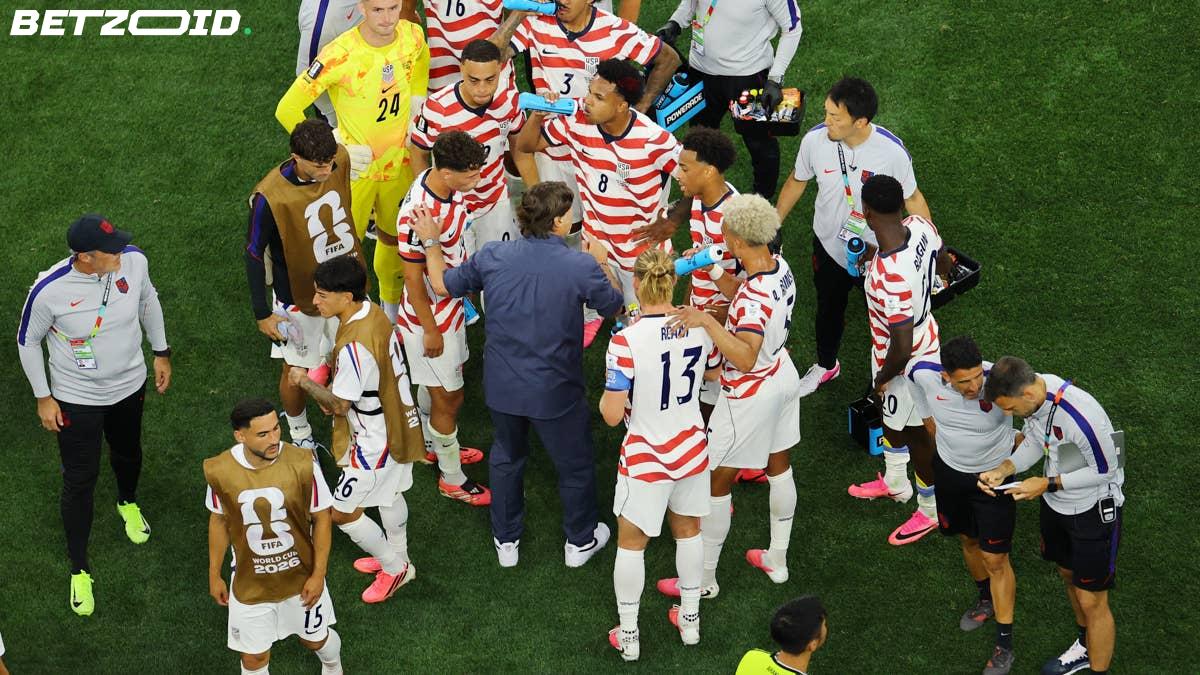
"We are one of the only networks in the world to NOT show ads during the World Cup cooling breaks. We prefer the old school way." That line, delivered live on Telemundo during Canada vs. Bosnia and Herzegovina, said the quiet part out loud.
The 2026 FIFA World Cup introduced mandatory hydration breaks in every match — not just in extreme heat like the 2014 Brazil tournament, but across the board. FIFA's decision. And broadcasters, sensing inventory, filled the windows with commercials. Most of them, anyway.
Fox Sports missed actual play
The breaking point came during the tournament opener between Mexico and South Africa. At the 22-minute mark of the second half, the referee whistled for the mandatory hydration break. Fox Sports, holding English-language rights in the United States, cut straight to ads. When the feed returned, the ball was already moving. Roughly ten seconds of live play — gone.
Telemundo didn't cut away once. The Spanish-language broadcaster stayed on the stadium feed through every break, showing players, coaches, sideline exchanges. The stuff that actually tells you something about a match.
Their commentator leaned into it. "We should be able to see what the players do," he said. "We show fans, people enjoying, not the corporate direction of football." That last phrase — "the corporate direction of football" — is doing a lot of work, and it's not wrong.
What this actually changes for fans
The rhythm issue is real. Football's appeal has always been tied to its uninterrupted flow — forty-five minutes, a break, forty-five more. Mandatory hydration stops shatter that cadence in a way even VAR delays don't, because they're scheduled, predictable, and now commercially packaged.
Purists aren't happy. Casual viewers who tuned in for the World Cup are getting a product that feels closer to an NFL broadcast than a football match. And with FIFA locking these breaks into every game for the entire tournament, this isn't a teething problem. It's the new normal.
Telemundo's stand won't change the policy. But it did expose exactly how different a broadcast can feel when the network actually prioritises the game over the ad slot.