Less than two years after completing their acquisition, The Friedkin Group have placed Everton on the market. The group that promised to honour the club's legacy and steady a ship battered by years of financial chaos is now looking for someone else to take the wheel.
The official line is measured: TFG are "exploring new investment options," including a potential sale of a controlling interest, but will only deal with parties they believe are "the right stewards." In practice, that means they're out — conditionally. Whoever buys this club is inheriting a stadium project finally nearing completion, a fanbase that has been through the wringer, and a squad that couldn't sign a striker this summer.
A short stint that raised more questions than it answered
The Friedkin Group acquired Farhad Moshiri's 94% stake in December 2024 through Roundhouse Capital, in a deal reported at over £400 million. They also brought in minority investors — former Dallas Mavericks coach Jason Kidd and billionaire Christopher Sarofim — before the ink had barely dried. Now they're hunting for a buyer while simultaneously funding an NHL franchise in Houston valued at £2.65 billion. It's not hard to see where their attention is.
Everton supporters have noticed. David Moyes admitted this summer that he has no direct line to Dan Friedkin — his communication runs through CEO Angus Kinnear and TFG representative Rishi Majithia. For a manager trying to rebuild a football club, that's a thin chain of command.
The summer transfer window made things worse. Losing Beto to Fiorentina and Iliman Ndiaye to Manchester City without signing a replacement striker isn't a squad-building strategy — it's a gap. Jack Grealish returning on loan for a second season is a headline, not a solution.
What this means for the club's trajectory
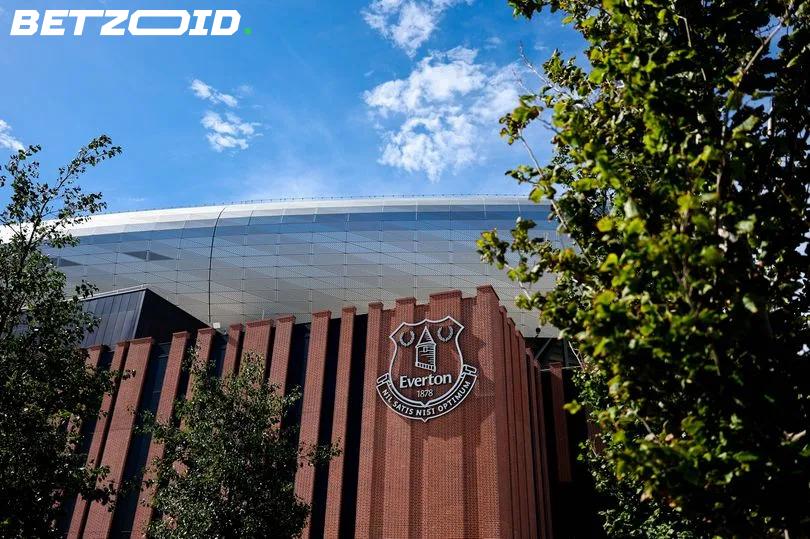
The new stadium has been framed as the foundation that makes a sale viable. TFG's position is essentially: we steadied the finances, we're getting the ground built, now someone with deeper pockets or sharper football ambitions should take it from here. That's a coherent argument — but it also signals that the group never saw Everton as a long-term project.
From a market perspective, any serious buyer will be pricing in a club sitting in the bottom half of the Premier League table, carrying recent financial penalties, with a fanbase whose patience has been stretched across a decade. The new ground changes the commercial ceiling. It doesn't automatically fix the football.
Everton's statement closed with: "TFG and the club will not be commenting further while this work is underway." Which is the most honest thing anyone connected to this process has said — because right now, there isn't much more to say.