FIFA is not pulling back on VAR. It's doubling down. The 2026 World Cup in the US, Canada and Mexico will introduce a significant package of rule changes — and most of them are designed to give video officials more to do, not less.
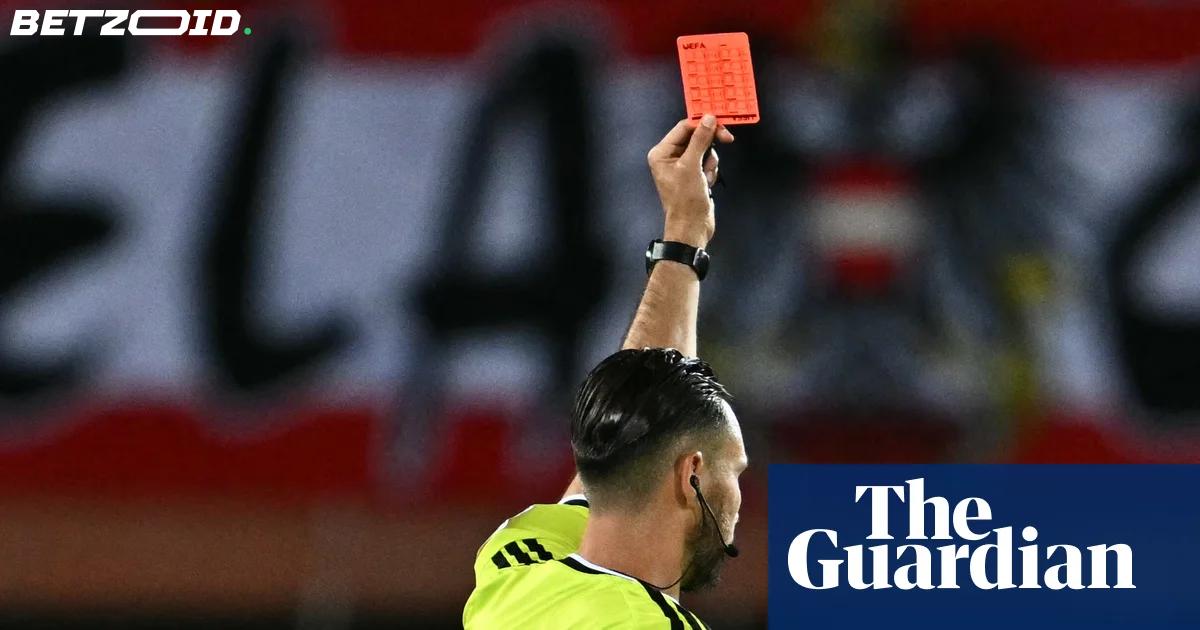
The expanded VAR protocol now covers corner decisions and second yellow cards, areas that were previously off-limits. That second one matters: a VAR check before a controversial yellow-turns-red used to be impossible. At this tournament, it won't be. Anyone building a booking-based market needs to factor in that call times could get messier — and that marginal red cards will face a new level of scrutiny.
The rule changes that came out of nowhere
Less than two weeks before the tournament kicks off, Ifab quietly announced what they called a "clarification" — which is doing a lot of heavy lifting as a word. In practice, it extends VAR's window to review offences that happen before a set piece is taken, provided those offences had a "direct impact" on what followed. Think grappling in the box before corners. Think the kind of push that England fans have been complaining about for years. It's now reviewable.
Two real-world incidents drove the new red card rules. When Senegal's coach and players walked off the pitch during the Africa Cup of Nations final in protest at a penalty decision, football's lawmakers took note. That's now a red card offence. Gianni Infantino personally pushed for the second change — players covering their mouths during a confrontation can now be sent off too. That one came directly from the Prestianni-Vinícius incident in the Champions League, where the Benfica midfielder admitted to homophobic abuse after hiding his lips under his shirt. Both rules have been made optional by Ifab but FIFA has confirmed they apply at the World Cup.
Stopping the stalling
The tactical timeout crackdown is the change that will actually alter how matches look. Outfield players who go down for treatment must now leave the field and wait 60 seconds before returning, regardless of how quickly the physio finishes. Goalkeepers — historically the biggest abusers of this loophole — stay on the pitch, but while they're being treated, every other player must retreat to the centre circle and stay away from the technical area. It's lifted directly from the NWSL rulebook.
The five-second countdown that already applies to goal-kicks now covers throw-ins too. Miss it and possession switches. And any substituted player who takes longer than 10 seconds to leave the field after their number goes up will cost their replacement a minute on the sideline.
- VAR now checks corners and second yellow cards
- New pre-set piece review window for fouls with "direct impact"
- Red card for leaving the field in protest at a referee's decision
- Red card for covering the mouth in a confrontational situation
- Treated outfield players must stay off for 60 seconds after leaving the field
- Goalkeeper treatment: all other players must retreat to the centre circle
- Five-second countdown extended from goal-kicks to throw-ins
- Substituted players have 10 seconds to leave or the replacement is delayed by a minute
It's the most forensically refereed World Cup ever staged. Whether that makes it more fair or just more interrupted is the question every fan watching from home will be answering in real time.