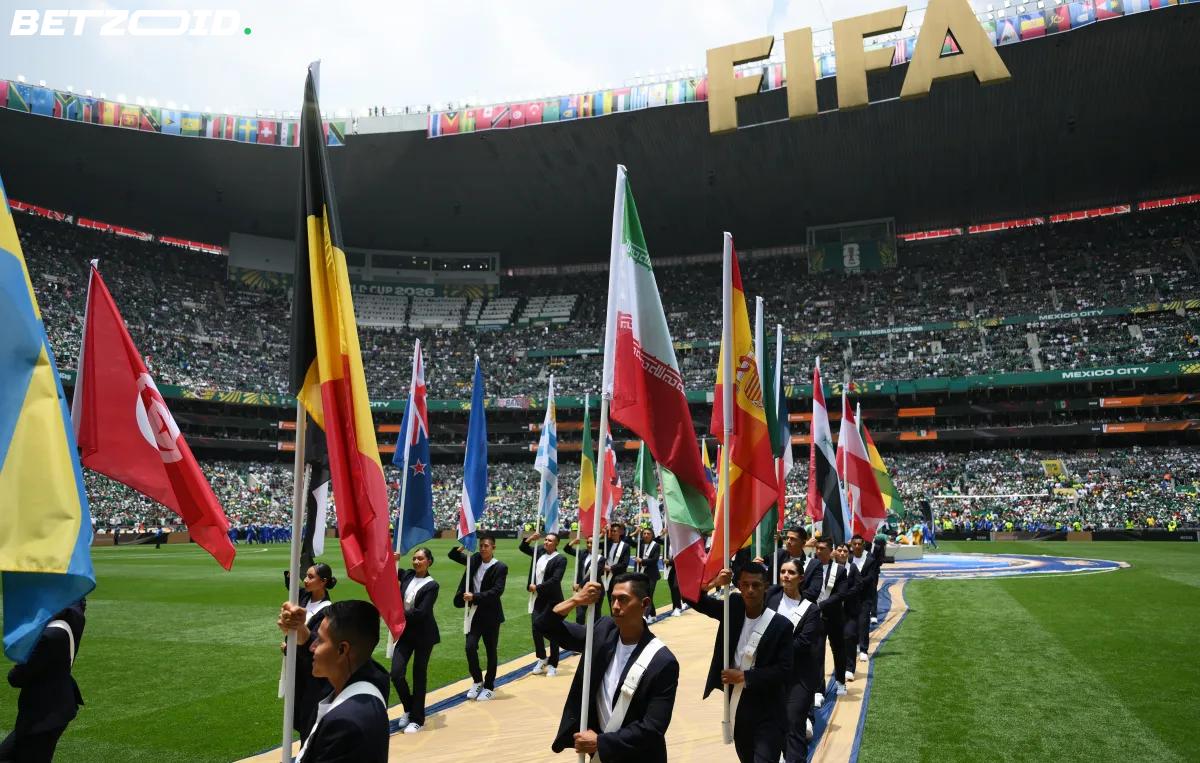
The 2026 World Cup has barely started and it's already defined by who isn't there. Tightened US immigration enforcement under President Donald Trump has blocked referees, team staff, and ordinary supporters from reaching the tournament — and the list keeps growing.
The referee who never got his whistle
The most striking case is Omar Artan. The Somali referee — CAF's Referee of the Year for 2025 and one of 52 FIFA-appointed officials for the tournament — arrived in Miami with a diplomatic passport and a valid US visa. He spent 11 hours detained at Miami International Airport before being refused entry. Customs and Border Protection cited "vetting concerns." He would have been the first Somali referee to officiate a World Cup match. Somalia is on Trump's travel ban list, and apparently a diplomatic passport and FIFA accreditation weren't enough to change that.
That's not a bureaucratic footnote. FIFA spent months vetting and appointing these officials. Having one turned away at the door undermines the basic logistics of running a tournament on US soil.
Iran: in the tournament, barely
The 2026 World Cup is the first in history where a host nation is actively at war with a participating country. The US and Iran have been in open hostilities since February, and the footballing fallout has been real. Several of Iran's "key managerial and administrative members" were denied US visas entirely. The players themselves only received visas ten days before their opening match — and they're operating under conditions that resemble a security operation more than a football tournament. They enter the US the day before each game and return to their base in Tijuana, Mexico immediately after.
Trump said publicly he didn't think it was appropriate for Iran's squad to stay in the US "for their own life and safety." Whether that's a genuine security assessment or political theatre, Iran's World Cup campaign is being run from across the border. Any pre-match preparation, team rhythm, or tactical setup that depends on being in-country is simply off the table for them. If you're pricing Iran's group stage chances, factor in that they're effectively playing every match as an away game — without the travel miles, but with all the disruption.
Iraq's national team photographer Talal Salah was denied entry after more than ten hours of detention and a phone search at O'Hare in Chicago. Striker Aymen Hussein went through the same process — seven hours, phone inspected — and was eventually let in. The photographer wasn't.
Scottish fans caught in the crossfire
Scotland fans planning to travel to the tournament have found their ESTA approvals flipped to "travel not authorized" without explanation. Some are now facing missing matches entirely while waiting for resolution. Others are scrambling to apply for full visas, a process that can take weeks. Trump said the US was working on the issue "to make sure the right people come into our country."
The wider picture is this: a US travel framework now fully or partially restricts nationals from 39 countries, and visa processing has been paused or heavily limited in a further 75. For a tournament that's supposed to celebrate global football, a significant chunk of the globe is being told to stay home.
- Omar Artan — Somali referee, CAF's 2025 Referee of the Year, denied entry in Miami after 11 hours of detention
- Iran delegation — multiple managerial and administrative staff denied visas; players received visas just 10 days before their first match
- Talal Salah — Iraq team photographer, denied entry at Chicago O'Hare after 10+ hours of detention
- Aymen Hussein — Iraq striker, held for nearly seven hours and had his phone searched before being permitted entry
- Scottish fans — multiple supporters had ESTA approvals revoked without explanation, some now unable to attend
- Fans from 39+ countries — facing full or partial entry restrictions under expanded US travel rules
The 2026 World Cup is happening. But who gets to watch it — and officiate it — is being decided by immigration policy as much as football.