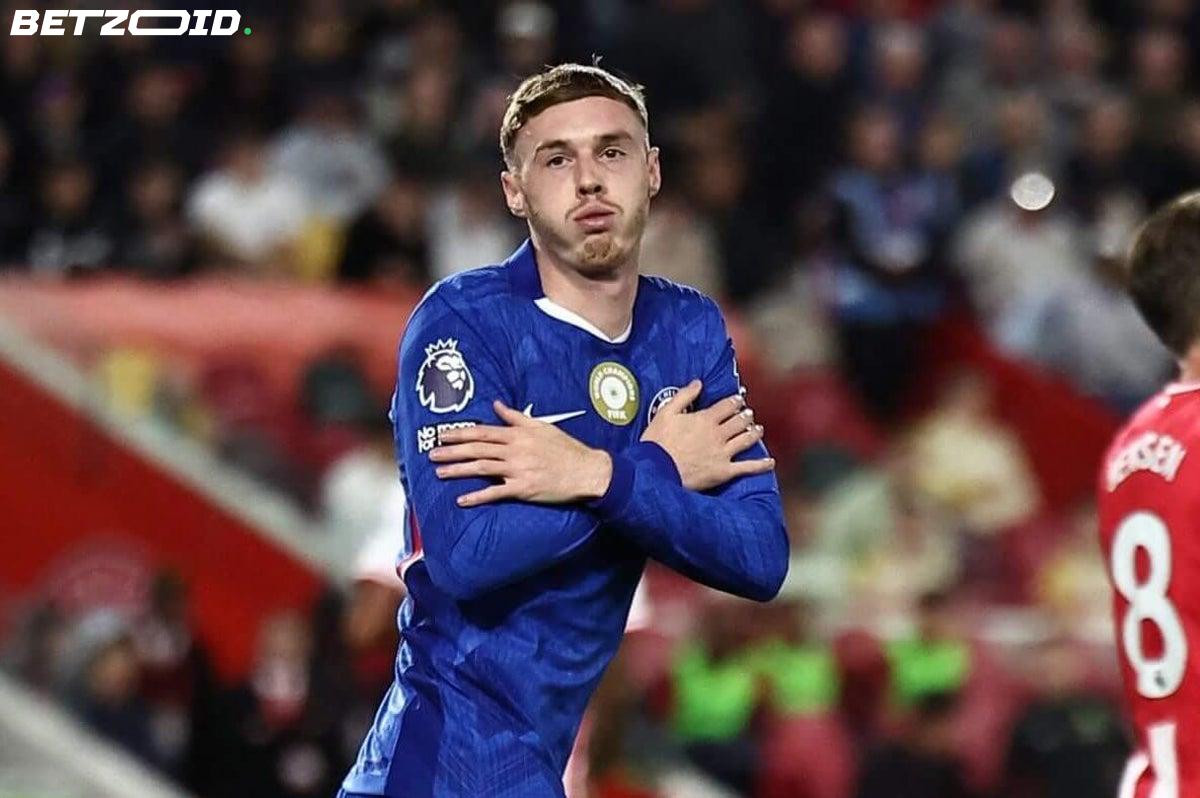
You know Cole Palmer's ice-cold celebration, right? Well, the Chelsea star has actually trademarked it. We're talking about the full shivering motion with crossed arms - it's now officially his intellectual property.
This isn't just Palmer being clever. It's become a massive business move for footballers looking to cash in on their brand. And the money involved? It's getting seriously big.
Palmer trademarked his name and his 'Cold Palmer' nickname across 16 different product categories. That means everything from beard trimmers to mopeds to coffee can carry his brand. The only thing he couldn't get? Wine. A French winery called Chateau Palmer blocked that one - they've been around way longer than our Chelsea midfielder.
But here's the thing about trademarks - even if you're famous, it's not always straightforward. Victoria Beckham learned this back in 1998 when she tried to trademark 'Posh'. Peterborough United had been called 'The Posh' since the 1920s and fought to keep it. She had to back down.
The Big Names Getting In On The Action
Lionel Messi fought for almost a decade to register his trademark in Europe for sportswear. A Spanish cycling company called Massi argued their names were too similar. Messi eventually won, but it took years of legal battles.
Cristiano Ronaldo has his CR7 brand locked down everywhere. But in the US, he hit a snag when a guy named Christopher Renzi already had CR7 trademarked for fitness workouts and clothing. These things get complicated fast.
Kylian Mbappe has trademarked his folded-arms celebration. Usain Bolt did the same with his lightning bolt pose. Even Ella Toone became the first English women's player to trademark her brand - ET7 - and just signed a £1.5 million deal with Nike.
For bettors following these stars, understanding their commercial power matters. Players with strong personal brands often have more stability and motivation. They're building empires that go way beyond match day performance.
Why Video Games Changed Everything
Here's where it gets really interesting. When Palmer trademarked his celebration, he did it wearing a plain black shirt. That's smart - if he moves clubs, the trademark still works.
Video game developers like EA Sports want to use these celebrations in FIFA and other games. But now? They need to pay for the license. Palmer can literally go to them and say 'pay up or you can't use my shiver.'
The same applies to AI and deepfakes. With technology making it easier to fake athlete images, owning your trademark gives you legal protection. Lawyers are now telling young players this is 'essential' - not optional.
Manchester United and Real Madrid can't even sell Ronaldo jerseys with his name on them anymore. Try ordering one from their online stores - the system won't let you. He owns the trademark, not the clubs.
Clubs are getting in on it too. Manchester United trademarked 'Theatre of Dreams' for Old Trafford. Manchester City owns '93:20' - the exact time Sergio Aguero scored that famous title-winning goal. Liverpool tried to trademark the word 'Liverpool' itself but got rejected because, well, it's a whole city.
The really forward-thinking move? Jude Bellingham's parents set up a company that trademarked his name plus JB5 and JB22. He wears number 5 now at Real Madrid, but wore 22 before. They're covering all bases.
Even Sir Alex Ferguson got ahead of the game back in 2003. He trademarked his name for everything from figurines to teaching materials. That registration runs until 2033.
For younger players breaking through, this is becoming standard advice from agents. Marcus Rashford has his name, initials, signature, and even his book club logo trademarked. It's all about creating 'passive income' that lasts beyond their playing careers.
The shift is clear - fans increasingly follow individual players rather than just teams. That means the commercial value is concentrating in fewer hands. The players smart enough to protect their brand early? They're setting themselves up for life.