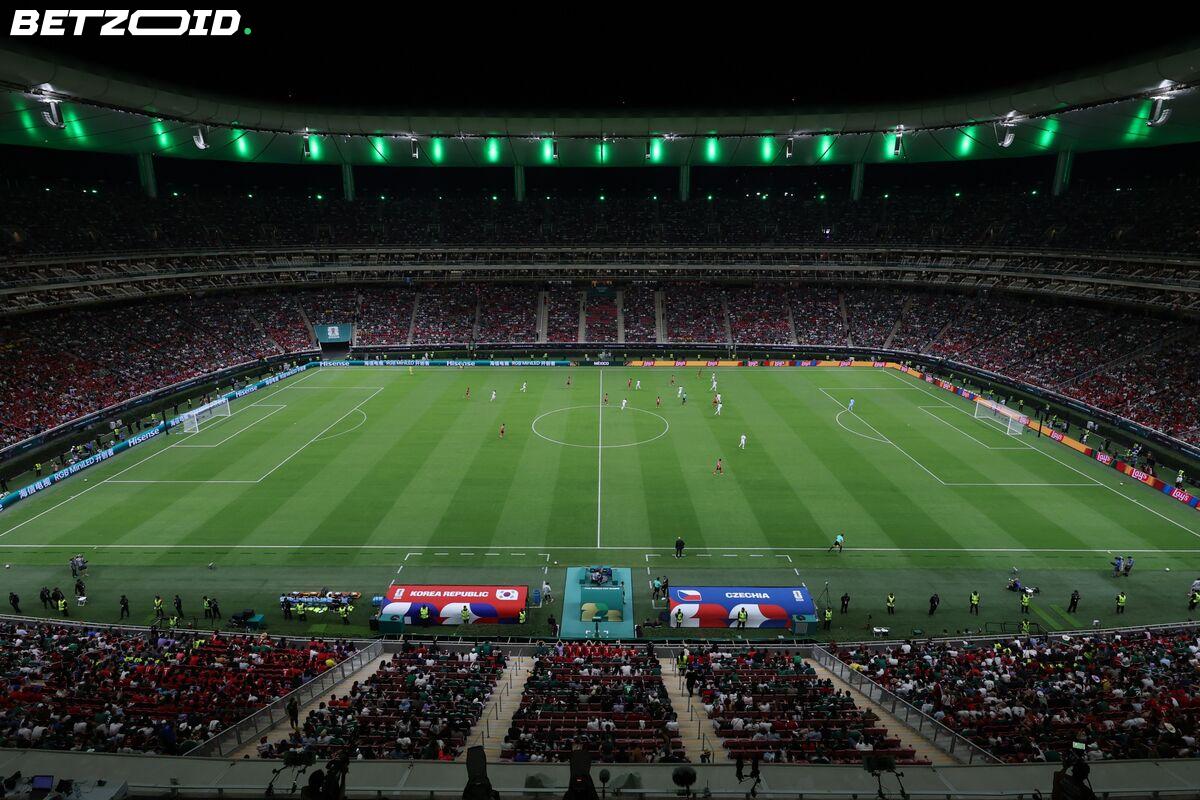
The World Cup is here, and the stadiums look packed. But the attendance figure flashed on your screen? It probably isn't counting what you think it is.
FIFA has its own methodology for measuring crowd numbers — and it's worth understanding before you take any official statistic at face value. The short version: the number announced is rarely a simple headcount of people who walked through the turnstile and sat down.
What FIFA is actually counting
Across major tournaments, governing bodies have historically used ticketed capacity, tickets distributed, or tickets scanned — and those three figures can diverge significantly. A sold-out stadium on paper can look noticeably emptier in person if no-shows are counted as attendees. FIFA's figures have drawn scrutiny before, and World Cup 2026 — spread across three countries and a record 48 teams — gives the organisation more data points than ever to manage.
The tournament's expanded format means more matches, more venues, and more variation in local demand. A group stage game in a mid-sized city may not pull the same walk-up crowd as a knockout tie, but official figures can smooth over those differences in ways that flatter the headline numbers.
Beyond the optics, attendance figures carry real commercial weight. Sponsorship valuations, broadcast deals, and future hosting bids all lean on them. Inflated or selectively defined numbers aren't just a trivia quirk — they shape how billions of dollars flow through the sport.
For a tournament this size, with this much money attached, understanding what the numbers actually represent matters more than just accepting them at face value. The football has finally started. The business of counting it is already well underway.