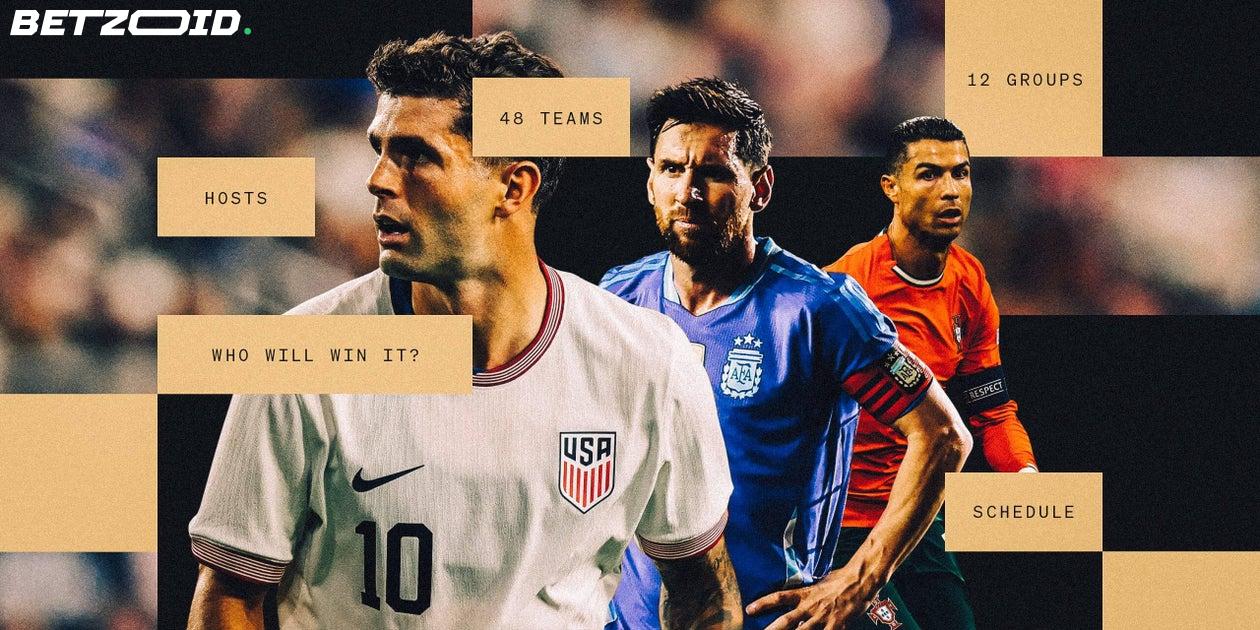
The World Cup is finally here. This summer's tournament in North America will be the most-viewed sports event ever, with billions of fans tuning in worldwide.
But this isn't just for hardcore soccer fans. The tournament offers a massive opportunity to attract new audiences, especially in the United States where soccer is still growing. We've put together this comprehensive guide to answer everything you could possibly want to know.
The World Cup happens every four years and pits the best men's national teams from across the globe against each other. It's the most beloved soccer tournament in existence.
This expanded edition features 48 teams instead of the previous 32. FIFA president Gianni Infantino says it's about opening the tournament to more African and Asian countries, though critics suggest it's primarily about generating more revenue.
When and Where It's Happening
The tournament kicks off June 11 at Mexico City's iconic Estadio Azteca when Mexico faces South Africa. From there, we're in for 39 days of non-stop soccer action across 16 stadiums in three countries.
The final takes place July 19 at MetLife Stadium in New Jersey, home of the NFL's Giants and Jets. That's 104 matches total from start to finish.
The United States hosts 75 percent of the matches, including all quarterfinals, semifinals, and the final. Canada and Mexico split the remaining games. This setup came from the original 2017 bid, where the U.S. had leverage since it could have hosted alone.
For bettors, this tournament structure creates interesting opportunities. The expanded format means more matches and more betting markets than ever before. Teams that might have missed out in previous years now have a shot, creating potential value in underdog plays.
Tournament Format and Top Contenders
The 48 teams are split into 12 groups of four. Each team plays three group matches, with the top two advancing automatically. Then the eight best third-place teams also move forward to a new round of 32.
Spain enters as the betting favorite after dominating the 2024 Euros. They've got 18-year-old sensation Lamine Yamal, who can win matches single-handedly. France brings incredible depth and firepower, though coach Didier Deschamps is stepping down after the tournament.
Defending champions Argentina face questions about their aging defense and 39-year-old Lionel Messi. Brazil lacks elite full-backs and is still adjusting to new coach Carlo Ancelotti. England looks dangerous under Thomas Tuchel, having been perfect in qualifying.
The USMNT has found form under Mauricio Pochettino after a rocky start. They're unbeaten in their last five friendlies against World Cup competition. Christian Pulisic will be key, and the home crowd advantage could push them deep into the knockout rounds.
For betting purposes, the favorites are justified but the expanded format means more chaos. Group stage upsets are likely, and third-place advancement rules create hedging opportunities. The home teams - especially the U.S. - offer intriguing value given the crowd support.
Tickets remain available through FIFA's last-minute sales phase starting in April, though the best matches may already be sold out. Resale sites like StubHub offer alternatives, but prices are astronomical - easily the most expensive World Cup ever.
Games air on Fox, Telemundo, and streaming services including Peacock and Fubo. The tournament introduces NFL-style innovations like a halftime show at the final and mid-half hydration breaks that conveniently allow commercial slots.
FIFA expects record revenues of $13 billion for this cycle, with the World Cup driving most of that. Prize money has increased 50 percent from Qatar 2022, with winners getting $50 million. This financial incentive makes every match matter even more for the competing nations.