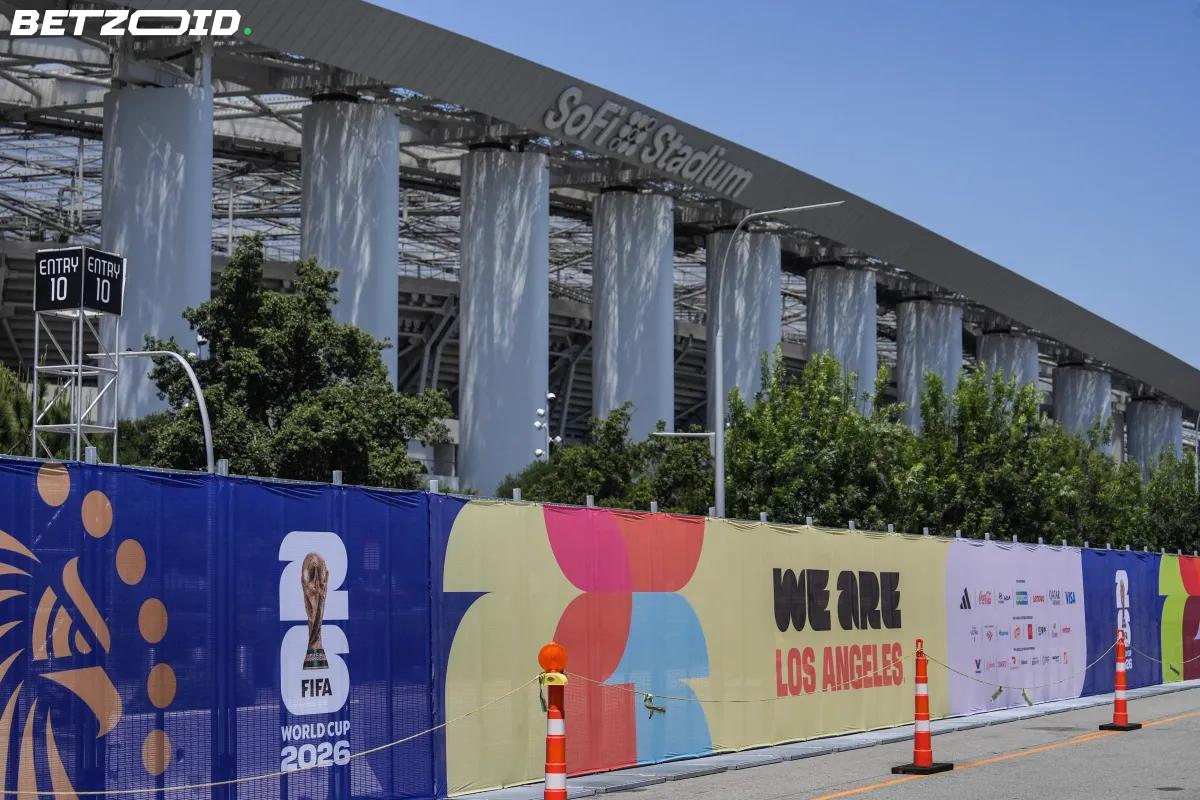
Days before the biggest World Cup in history kicks off, thousands of tickets are still sitting unsold. That tells you something — about the prices, about the demand, and about what FIFA's first-ever dynamic pricing experiment has actually produced.
According to data from TicketData.com, at least 10 group-stage games still have more than 500 primary tickets available directly from FIFA. The most unsold? Cabo Verde vs. Saudi Arabia on June 26 at NRG Stadium in Houston — 1,245 tickets, starting at $186 on resale. Not exactly a vintage fixture, but at that price, it's a genuine World Cup atmosphere for less than a decent concert ticket.
Where the tickets are — and what they cost
Egypt vs. Iran at Lumen Field in Seattle has 965 tickets left. Algeria vs. Austria in Kansas City has 926. These are games featuring nations that qualified for a 48-team tournament making its debut — meaning plenty of matchups don't carry the weight of a traditional World Cup clash, and the secondary market reflects that.
Twelve games are currently selling below $300 on resale. Jordan vs. Algeria at Levi's Stadium in Santa Clara goes for $192. Uzbekistan vs. Congo DR in Atlanta starts at $204. Even a semi-final slot in Dallas on July 14 has over 1,000 tickets left — which is either a sign of the expanded format diluting excitement, or just the reality of asking fans to commit four weeks in advance to a game without knowing who's playing.
For anyone tracking tournament outright markets, this secondary market data is worth watching. Low demand for group-stage games involving certain nations doesn't always mean low quality — but it does suggest which fanbases haven't traveled in force, which matters when you're trying to gauge real crowd support in the later rounds.
The demand gap nobody's talking about
FIFA confirmed dynamic pricing back in September — adjusting ticket costs based on real-time demand, a first for the World Cup. Group stage seats started at $60, while the best final tickets are priced at $6,730. FIFA's own framing: "a very competitive price point for a major global sporting event in the U.S." Critics' framing: a competition only the affluent can fully access.
Both are partly right. The floor is genuinely low. The ceiling is genuinely punishing.
Meanwhile, more than 80 percent of hotel owners near host cities say bookings are running below forecast, per an April survey from the American Hotel and Lodging Association. Seventy percent cited visa barriers and geopolitical concerns as suppressing international demand. FIFA forecast $80.1 billion in gross economic impact. That gap between projection and reality is becoming harder to ignore.
Even Donald Trump weighed in on the $1,000 baseline price for the USA vs. Paraguay opener on June 12. "I wouldn't pay it either, to be honest with you," he told the New York Post. When the sitting president won't buy a ticket to his country's own opening match, the pricing conversation doesn't exactly close itself.